
Is the US Market Ready to Rebound After February's CPI Data?
Generado por agente de IATheodore Quinn
jueves, 13 de marzo de 2025, 5:56 am ET2 min de lectura
META--
The US market has been on a rollercoaster ride, with investors bracing for volatility ahead of the February 2025 CPI data release. The Consumer Price Index (CPI) is a critical gauge of inflation, and its release can significantly influence Federal Reserve rate decisions. The market was expecting a 0.3% month-on-month rise in CPI, with the annual rate cooling to 2.9% from 3% in January. However, the actual data came in softer than expected, with the CPI rising 2.8% year-on-year, down from 3% in January and below the forecasted 2.9%. This cooler-than-expected inflation report has eased fears of stagflation and reinforced expectations of Federal Reserve rate cuts.
The market's reaction to the CPI data was swift and positive. The Nasdaq Composite surged 1.6%, led by a sharp rebound in technology stocks. The S&P 500 also rallied 0.8%, snapping a three-week losing streak. The Dow Jones Industrial Average traded slightly higher, adding 25 points. This rally was driven by softer-than-expected US inflation data, which eased concerns about the economy and reinforced expectations of Federal Reserve rate cuts. Specifically, NvidiaNVDA-- shares gained 6%, while Meta PlatformsMETA-- and TeslaTSLA-- climbed 4% and 8%, respectively, as investors poured into beaten-down tech shares following the inflation report.
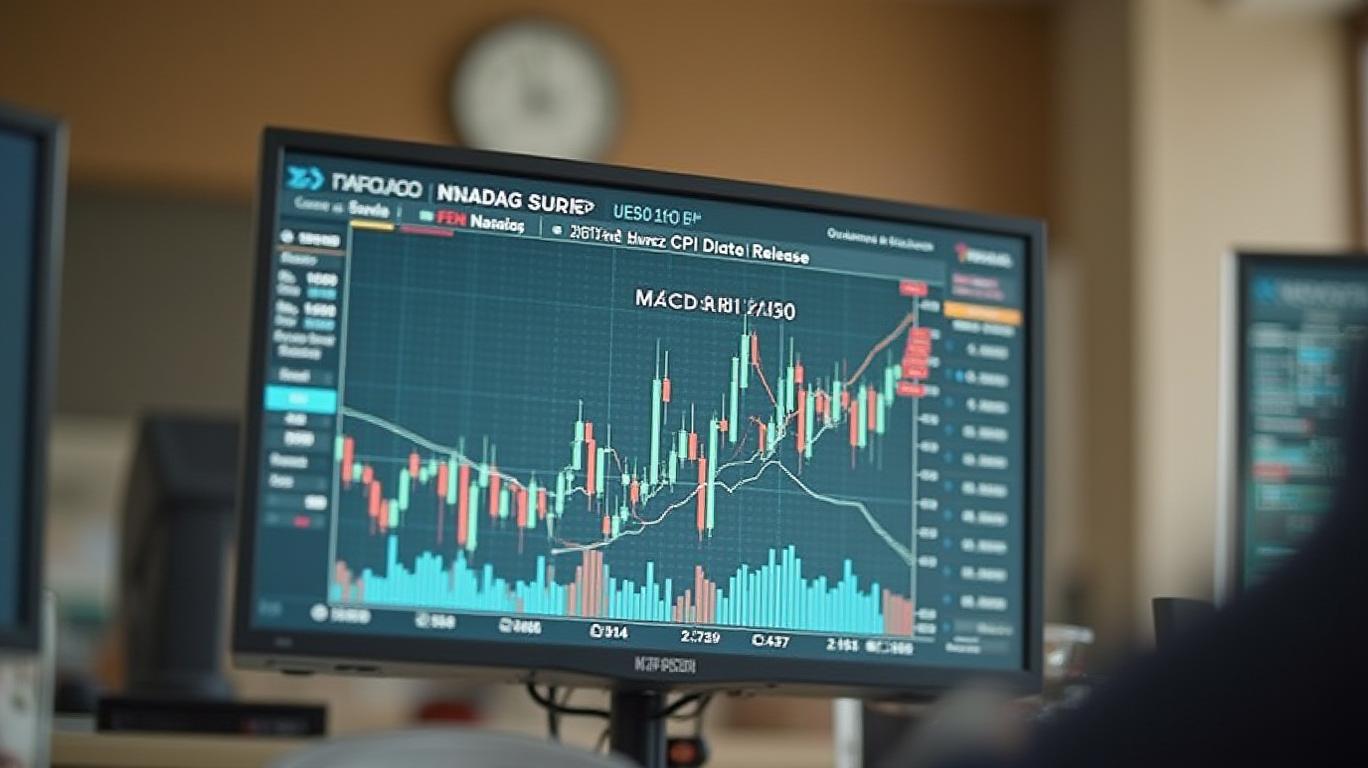
The rebound in tech stocks, as seen in the Nasdaq's performance, can have a positive ripple effect on the broader market. The S&P 500, which includes a significant portion of tech stocks, also rallied 0.8% on Wednesday, snapping a three-week losing streak. This indicates that the performance of tech stocks can influence the overall market sentiment and performance. The Dow Jones Industrial Average, although not as tech-heavy, also traded slightly higher, adding 25 points, further supporting the idea that a rebound in tech stocks can lift the broader market.
However, despite the rebound, markets remain under pressure, with the Dow and S&P 500 each dropping more than 3% this week, while the Nasdaq has tumbled 4%. This volatility underscores the need for a cautious approach to long-term investing. Warren Pies, co-founder of 3FourteenRAA-- Research, cautioned that while the market may be stabilizing, "it’s not time to buy the dip just yet." This suggests that investors should be selective and strategic in their long-term investment decisions, focusing on sectors and stocks that are likely to benefit from the current economic conditions and policy outlook.
The current economic conditions, including inflation trends and political uncertainties, have a significant impact on the valuation and performance of quality stocks with strong leadership, such as those in the Big Tech and insurance sectors. The easing inflation concerns and the potential for monetary policy easing are favorable for these stocks. However, political uncertainties and regulatory risks may still pose challenges.
In conclusion, the better-than-expected February CPI data has significantly influenced investor sentiment and market expectations for Federal Reserve rate cuts. The market's positive reaction to the data suggests that a rebound may be on the horizon. However, investors should approach this with caution, considering the broader market volatility and the need for a strategic, long-term investment philosophy. The rebound in tech stocks, as seen in the Nasdaq's performance, can have a positive impact on the broader market and specific sectors. However, investors should be selective and strategic in their long-term investment decisions, focusing on sectors and stocks that are likely to benefit from the current economic conditions and policy outlook.
NVDA--
RAA--
TSLA--
The US market has been on a rollercoaster ride, with investors bracing for volatility ahead of the February 2025 CPI data release. The Consumer Price Index (CPI) is a critical gauge of inflation, and its release can significantly influence Federal Reserve rate decisions. The market was expecting a 0.3% month-on-month rise in CPI, with the annual rate cooling to 2.9% from 3% in January. However, the actual data came in softer than expected, with the CPI rising 2.8% year-on-year, down from 3% in January and below the forecasted 2.9%. This cooler-than-expected inflation report has eased fears of stagflation and reinforced expectations of Federal Reserve rate cuts.
The market's reaction to the CPI data was swift and positive. The Nasdaq Composite surged 1.6%, led by a sharp rebound in technology stocks. The S&P 500 also rallied 0.8%, snapping a three-week losing streak. The Dow Jones Industrial Average traded slightly higher, adding 25 points. This rally was driven by softer-than-expected US inflation data, which eased concerns about the economy and reinforced expectations of Federal Reserve rate cuts. Specifically, NvidiaNVDA-- shares gained 6%, while Meta PlatformsMETA-- and TeslaTSLA-- climbed 4% and 8%, respectively, as investors poured into beaten-down tech shares following the inflation report.
The rebound in tech stocks, as seen in the Nasdaq's performance, can have a positive ripple effect on the broader market. The S&P 500, which includes a significant portion of tech stocks, also rallied 0.8% on Wednesday, snapping a three-week losing streak. This indicates that the performance of tech stocks can influence the overall market sentiment and performance. The Dow Jones Industrial Average, although not as tech-heavy, also traded slightly higher, adding 25 points, further supporting the idea that a rebound in tech stocks can lift the broader market.
However, despite the rebound, markets remain under pressure, with the Dow and S&P 500 each dropping more than 3% this week, while the Nasdaq has tumbled 4%. This volatility underscores the need for a cautious approach to long-term investing. Warren Pies, co-founder of 3FourteenRAA-- Research, cautioned that while the market may be stabilizing, "it’s not time to buy the dip just yet." This suggests that investors should be selective and strategic in their long-term investment decisions, focusing on sectors and stocks that are likely to benefit from the current economic conditions and policy outlook.
The current economic conditions, including inflation trends and political uncertainties, have a significant impact on the valuation and performance of quality stocks with strong leadership, such as those in the Big Tech and insurance sectors. The easing inflation concerns and the potential for monetary policy easing are favorable for these stocks. However, political uncertainties and regulatory risks may still pose challenges.
In conclusion, the better-than-expected February CPI data has significantly influenced investor sentiment and market expectations for Federal Reserve rate cuts. The market's positive reaction to the data suggests that a rebound may be on the horizon. However, investors should approach this with caution, considering the broader market volatility and the need for a strategic, long-term investment philosophy. The rebound in tech stocks, as seen in the Nasdaq's performance, can have a positive impact on the broader market and specific sectors. However, investors should be selective and strategic in their long-term investment decisions, focusing on sectors and stocks that are likely to benefit from the current economic conditions and policy outlook.

Divulgación editorial y transparencia de la IA: Ainvest News utiliza tecnología avanzada de Modelos de Lenguaje Largo (LLM) para sintetizar y analizar datos de mercado en tiempo real. Para garantizar los más altos estándares de integridad, cada artículo se somete a un riguroso proceso de verificación con participación humana.
Mientras la IA asiste en el procesamiento de datos y la redacción inicial, un miembro editorial profesional de Ainvest revisa, verifica y aprueba de forma independiente todo el contenido para garantizar su precisión y cumplimiento con los estándares editoriales de Ainvest Fintech Inc. Esta supervisión humana está diseñada para mitigar las alucinaciones de la IA y garantizar el contexto financiero.
Advertencia sobre inversiones: Este contenido se proporciona únicamente con fines informativos y no constituye asesoramiento profesional de inversión, legal o financiero. Los mercados conllevan riesgos inherentes. Se recomienda a los usuarios que realicen una investigación independiente o consulten a un asesor financiero certificado antes de tomar cualquier decisión. Ainvest Fintech Inc. se exime de toda responsabilidad por las acciones tomadas con base en esta información. ¿Encontró un error? Reportar un problema




Comentarios
Aún no hay comentarios