
Market Momentum Meets Oil's Slippery Slope: Will the S&P 500's 20-Year Winning Streak Stall?
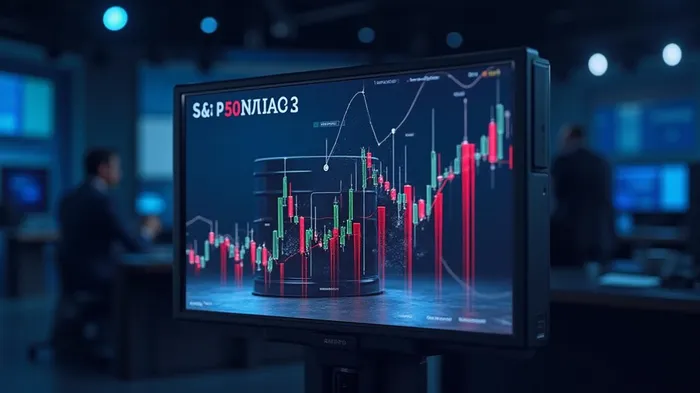
The S&P 500’s nine-day winning streak—the longest since 2004—has investors bracing for a potential reversal as OPEC+’s aggressive oil production surge and geopolitical tensions threaten to disrupt recent optimism. While equity markets have rallied on thawing U.S.-China trade relations and robust jobs data, the specter of a slowing global economy, fueled by plummeting crude prices, has traders questioning whether this historic run can survive the coming week.
The Market’s Fragile Rally
The current streak, which has erased losses from earlier U.S.-China trade disputes, hinges on a mix of hope and caution. The April jobs report, which added 177,000 positions—well above expectations—bolstered confidence in the U.S. economy’s resilience. Meanwhile, whispers of a potential trade deal have dampened fears of a full-scale tariff war, easing volatility in equity markets.
Yet risks loom large. Federal Reserve policymakers remain divided on rate hikes, and unresolved tariff threats could reignite market anxiety. “The S&P’s gains are riding on a razor’s edge of good news,” said one strategist, noting that a tenth consecutive gain would mark the first such streak since 1990. “But if trade talks falter, this rally could unravel faster than it began.”
OPEC+’s Oil Shock
While stocks climb, OPEC+’s decision to boost production has sent oil prices into freefall. Crude prices tumbled 3.4% last week, with West Texas Intermediate (WTI) trading at $56.25/barrel—a level not seen since late 2023. Analysts at RBC Capital Markets now warn of a potential $50/barrel threshold in coming weeks, citing oversupply and weakening demand as trade tensions dampen industrial activity.
The cartel’s pivot—reversing years of output cuts to reclaim market share—has exposed a fragile balance in energy markets. Saudi Arabia and Russia, the de facto leaders of OPEC+, aim to undercut U.S. shale producers, but their strategy risks exacerbating global economic headwinds. “Lower oil prices are a double-edged sword,” said an energy analyst. “They ease inflation pressures but could also signal a demand slowdown that spooks investors.”
Geopolitical Crosscurrents
Central banks in Asia have added another layer of complexity. Hong Kong and Taiwan’s interventions to curb currency appreciation—a response to the yuan’s recent strength—could ease trade frictions but also weaken the dollar’s dominance. A weaker greenback typically boosts commodity prices, yet oil’s decline suggests other forces are at play.
Meanwhile, corporate moves in the energy sector hint at sector-wide turbulence. Shell’s reported interest in acquiring BP, contingent on further price declines, underscores the industry’s scramble to consolidate amid volatility.
The Tipping Point
The confluence of these factors leaves markets at a crossroads. The S&P 500’s streak could extend, buoyed by positive economic data and diplomatic progress, but the risks of a correction grow daily. A collapse in oil prices could spill over into broader market pessimism, especially if manufacturing sectors—already sensitive to energy costs—slow further.
Historically, nine-day streaks have often been followed by pullbacks. In 2004, the S&P 500’s nine-day run ended with a 1.5% correction as investors reassessed fundamentals. Today’s stakes are higher: a stalled streak might not just erase recent gains but reignite fears of a trade war’s true economic toll.
Conclusion
The S&P 500’s historic streak is a testament to resilience, but it is now testing limits. With OPEC+ driving oil prices toward $50/barrel and trade tensions unresolved, the odds of a correction are rising. Key data points—like the May jobs report (due June 1) and Federal Reserve commentary—will determine whether this rally becomes a decade-defining milestone or a cautionary tale of overexuberance. Investors would be wise to remember: in markets, even the longest streaks eventually meet their end.







Comentarios
Aún no hay comentarios