
Mr. Market Meets Trump 2.0: Navigating the New Landscape
Generado por agente de IAWesley Park
lunes, 20 de enero de 2025, 12:58 am ET3 min de lectura
ANSC--
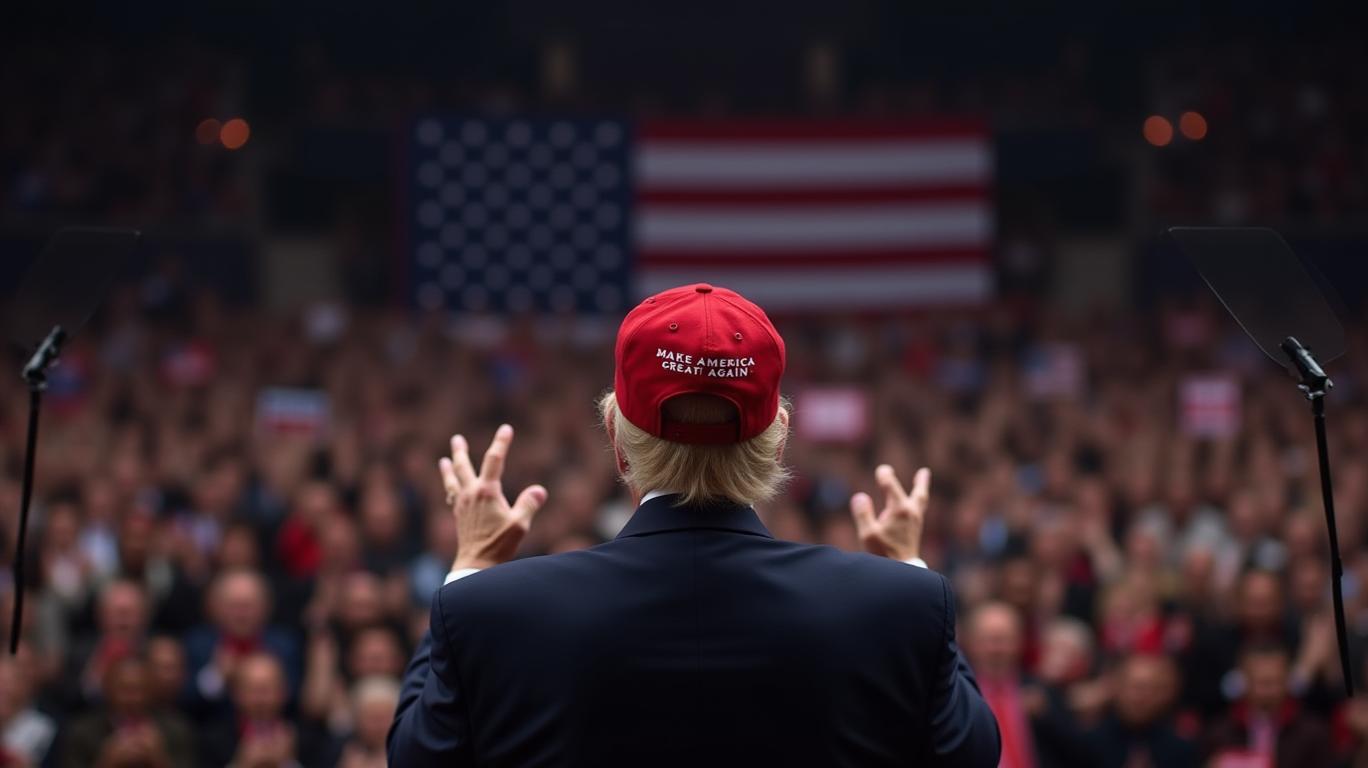
As the dust settles on the 2024 U.S. presidential election, investors are grappling with the implications of a second Trump term. The markets have reacted swiftly, with U.S. stocks surging to new highs and international markets displaying a mix of caution and optimism. As we look ahead, it's crucial to understand the potential impacts of Trump's policies on the economy and markets, and how investors can navigate this new landscape.
The Trump Agenda: Tariffs and Tax Cuts
Trump's second term is expected to bring a mix of protectionist and pro-business policies. Key aspects of his agenda include:
1. Tariffs: Trump has proposed increasing tariffs on China from 15% to 40%, which could lead to higher prices for U.S. consumers and businesses, potentially slowing economic growth in the short term. However, the U.S. economy has shown resilience in the face of previous tariff increases, and the impact on growth may be limited.
2. Tax Cuts: Trump's proposed extension of the Tax Cuts and Jobs Act in late 2025, with additional measures such as reducing the corporate tax rate from 21% to 20% (15% for some companies), higher defense spending, and modest spending cuts elsewhere, could provide a short-term boost to economic growth. However, the fiscal stimulus could also lead to higher inflation, which could prompt the Federal Reserve to raise interest rates and potentially slow economic growth.
Industry Winners and Losers
Based on the information provided, several sectors and industries are likely to benefit or be negatively affected by Trump's policy agenda:
1. Financials: This sector is expected to benefit from Trump's second term. The extension of tax cuts, higher defense spending, and deregulation are potential drivers of the sector. Chris Senyek, chief investment strategist at Wolfe Research, stated, "We still see Financials as the biggest sectoral winner under the Trump administration."
2. Energy: The energy sector may also benefit from Trump's policies. His administration is expected to support the energy industry, including oil and gas, through deregulation and infrastructure spending.
3. Real Estate: Real estate could also see positive effects from Trump's policies. Lower corporate and income taxes, along with a relaxed regulatory environment, should boost stock prices in this sector.
4. Technology: The tech sector, particularly the "Magnificent 7" companies, may face challenges due to potential international trade retaliation. U.S. companies with significant overseas revenues could be vulnerable to retaliatory measures from other countries in response to U.S. tariffs.
5. Agriculture: The agriculture sector could be negatively affected by Trump's tariff policies. Other countries may retaliate with agricultural tariffs, targeting U.S. farmers and exporters.
6. Manufacturing: U.S. manufacturers may face increased competition and higher input costs due to Trump's tariff policies, which could lead to reduced profitability and slower growth in the sector.
International Markets and Currencies
International markets and currencies are expected to react to Trump's trade policies and potential global retaliation in several ways:
1. Market Reaction: European markets had a mixed reaction to Trump's win, with Germany's DAX slipping by 0.3% and France’s CAC edging up 0.1%. London's FTSE 100 was one of the few European indices to perform more robustly, closing 0.5% higher. Asian markets also had a mixed response, with Japan's Nikkei 225 surging 2.6% and Australia's S&P ASX index rising by a more modest 0.8%. China's Shanghai Composite finished largely flat, and Hong Kong's Hang Seng index fell by 2.2%.
2. Potential Global Retaliation: Trump's trade policies, including higher tariffs, could provoke international trade retaliation. S&P 500 companies derive roughly one-third of their profits from non-U.S. customers and may be vulnerable to such reactions, especially U.S. exporters, U.S.-based multinationals, and tech companies with substantial revenues from abroad.
3. Currency Markets: The U.S. dollar strengthened by over 1.5% following Trump's win, bolstered by expectations of his tariff policies. However, the bond market was more cautious, with the 10-year bond yield rising to 4.4% amid concerns that Trump’s tariff and tax policies could spur inflation and dampen economic growth.
Navigating the New Landscape
As investors, it's essential to stay informed about the potential impacts of Trump's policies on the economy and markets. By understanding the likely winners and losers, investors can make more informed decisions about their portfolios. Additionally, keeping an eye on international markets and currencies can help investors identify opportunities and mitigate risks.
In conclusion, the election of Trump for a second term has brought a mix of optimism and caution to the markets. As investors, it's crucial to stay informed, adapt to the changing landscape, and make strategic decisions based on the potential impacts of Trump's policies on the economy and markets. By doing so, investors can position themselves to capitalize on the opportunities that arise in this new environment.
CAC--
As the dust settles on the 2024 U.S. presidential election, investors are grappling with the implications of a second Trump term. The markets have reacted swiftly, with U.S. stocks surging to new highs and international markets displaying a mix of caution and optimism. As we look ahead, it's crucial to understand the potential impacts of Trump's policies on the economy and markets, and how investors can navigate this new landscape.
The Trump Agenda: Tariffs and Tax Cuts
Trump's second term is expected to bring a mix of protectionist and pro-business policies. Key aspects of his agenda include:
1. Tariffs: Trump has proposed increasing tariffs on China from 15% to 40%, which could lead to higher prices for U.S. consumers and businesses, potentially slowing economic growth in the short term. However, the U.S. economy has shown resilience in the face of previous tariff increases, and the impact on growth may be limited.
2. Tax Cuts: Trump's proposed extension of the Tax Cuts and Jobs Act in late 2025, with additional measures such as reducing the corporate tax rate from 21% to 20% (15% for some companies), higher defense spending, and modest spending cuts elsewhere, could provide a short-term boost to economic growth. However, the fiscal stimulus could also lead to higher inflation, which could prompt the Federal Reserve to raise interest rates and potentially slow economic growth.
Industry Winners and Losers
Based on the information provided, several sectors and industries are likely to benefit or be negatively affected by Trump's policy agenda:
1. Financials: This sector is expected to benefit from Trump's second term. The extension of tax cuts, higher defense spending, and deregulation are potential drivers of the sector. Chris Senyek, chief investment strategist at Wolfe Research, stated, "We still see Financials as the biggest sectoral winner under the Trump administration."
2. Energy: The energy sector may also benefit from Trump's policies. His administration is expected to support the energy industry, including oil and gas, through deregulation and infrastructure spending.
3. Real Estate: Real estate could also see positive effects from Trump's policies. Lower corporate and income taxes, along with a relaxed regulatory environment, should boost stock prices in this sector.
4. Technology: The tech sector, particularly the "Magnificent 7" companies, may face challenges due to potential international trade retaliation. U.S. companies with significant overseas revenues could be vulnerable to retaliatory measures from other countries in response to U.S. tariffs.
5. Agriculture: The agriculture sector could be negatively affected by Trump's tariff policies. Other countries may retaliate with agricultural tariffs, targeting U.S. farmers and exporters.
6. Manufacturing: U.S. manufacturers may face increased competition and higher input costs due to Trump's tariff policies, which could lead to reduced profitability and slower growth in the sector.
International Markets and Currencies
International markets and currencies are expected to react to Trump's trade policies and potential global retaliation in several ways:
1. Market Reaction: European markets had a mixed reaction to Trump's win, with Germany's DAX slipping by 0.3% and France’s CAC edging up 0.1%. London's FTSE 100 was one of the few European indices to perform more robustly, closing 0.5% higher. Asian markets also had a mixed response, with Japan's Nikkei 225 surging 2.6% and Australia's S&P ASX index rising by a more modest 0.8%. China's Shanghai Composite finished largely flat, and Hong Kong's Hang Seng index fell by 2.2%.
2. Potential Global Retaliation: Trump's trade policies, including higher tariffs, could provoke international trade retaliation. S&P 500 companies derive roughly one-third of their profits from non-U.S. customers and may be vulnerable to such reactions, especially U.S. exporters, U.S.-based multinationals, and tech companies with substantial revenues from abroad.
3. Currency Markets: The U.S. dollar strengthened by over 1.5% following Trump's win, bolstered by expectations of his tariff policies. However, the bond market was more cautious, with the 10-year bond yield rising to 4.4% amid concerns that Trump’s tariff and tax policies could spur inflation and dampen economic growth.
Navigating the New Landscape
As investors, it's essential to stay informed about the potential impacts of Trump's policies on the economy and markets. By understanding the likely winners and losers, investors can make more informed decisions about their portfolios. Additionally, keeping an eye on international markets and currencies can help investors identify opportunities and mitigate risks.
In conclusion, the election of Trump for a second term has brought a mix of optimism and caution to the markets. As investors, it's crucial to stay informed, adapt to the changing landscape, and make strategic decisions based on the potential impacts of Trump's policies on the economy and markets. By doing so, investors can position themselves to capitalize on the opportunities that arise in this new environment.

Divulgación editorial y transparencia de la IA: Ainvest News utiliza tecnología avanzada de Modelos de Lenguaje Largo (LLM) para sintetizar y analizar datos de mercado en tiempo real. Para garantizar los más altos estándares de integridad, cada artículo se somete a un riguroso proceso de verificación con participación humana.
Mientras la IA asiste en el procesamiento de datos y la redacción inicial, un miembro editorial profesional de Ainvest revisa, verifica y aprueba de forma independiente todo el contenido para garantizar su precisión y cumplimiento con los estándares editoriales de Ainvest Fintech Inc. Esta supervisión humana está diseñada para mitigar las alucinaciones de la IA y garantizar el contexto financiero.
Advertencia sobre inversiones: Este contenido se proporciona únicamente con fines informativos y no constituye asesoramiento profesional de inversión, legal o financiero. Los mercados conllevan riesgos inherentes. Se recomienda a los usuarios que realicen una investigación independiente o consulten a un asesor financiero certificado antes de tomar cualquier decisión. Ainvest Fintech Inc. se exime de toda responsabilidad por las acciones tomadas con base en esta información. ¿Encontró un error? Reportar un problema




Comentarios
Aún no hay comentarios