
U.S. Market Holidays and Investor Behavior: Navigating Liquidity Shifts in 2025
The 2025 Holiday Calendar: A Blueprint for Liquidity Shifts
The 2025 U.S. market holiday schedule features nine full closures and three early closures, each with distinct implications for liquidity. Markets will close entirely for New Year's Day (January 1), Independence Day (July 4), Thanksgiving (November 27), and Christmas (December 25). Early closures occur on July 3, November 28 (Black Friday), and December 24, with trading halting at 1:00 p.m. (1:15 p.m. for options) on these days according to the standard calendar. These dates create predictable windows of reduced participation, particularly during late November and December, when also contracts.
: The Holiday Paradox
During low-liquidity periods, even minor news events can trigger outsized . For example, Thanksgiving Week 2025 will see U.S. . This thinning of liquidity is compounded by the on November 25, which may temporarily boost global trading volumes but still operate within a constrained window as Russell Investments reports.
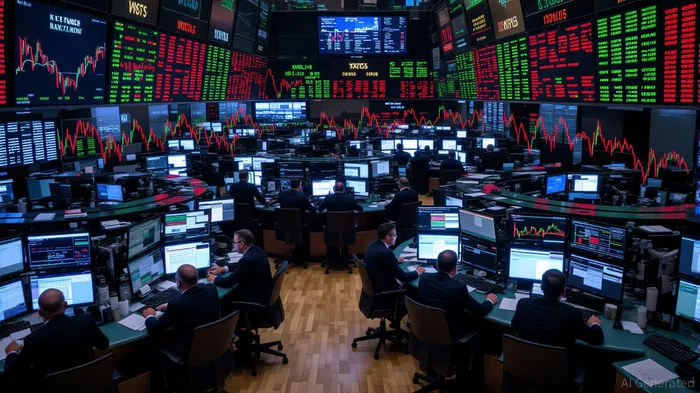 The psychological toll of such volatility is significant. Traders face heightened risks of panic selling or impulsive buying, (FOMO) or overreaction to amplified price movements. For instance, the week following Thanksgiving often sees a "catch-up" surge in trading activity, but liquidity remains fragile due to overlapping holidays and reduced participation.
: Discipline in a Low-Liquidity Environment
Experts emphasize the need for disciplined execution during . A report by Russell Investments highlights that investors should prioritize completing large trades before mid-December or defer them to early January, when . This approach minimizes , as fixed income, foreign exchange, according to market analysis.
Tools like and price alerts become critical during these periods. notes that traders must resist the urge to chase momentum in thinly traded markets, where even strong fundamentals can be overshadowed by . For example, the -marked by robust performance in technology and financials-saw sharp sector rotations, but could obscure such signals in December.
: Balancing Risk and Rest
Asset allocation during holiday periods requires a dual focus on and psychological resilience. across sectors and asset classes remains a cornerstone strategy, as it cushions portfolios against sharp price swings. However, the "always-on" nature of modern trading platforms introduces new challenges. underscores the importance of balancing market engagement with rest, noting that burnout can cloud judgment and lead to suboptimal decisions.
For 2025, the anticipated in December adds another layer of complexity. by December 10, investors must weigh the potential for a against the risks of overexposure in volatile sectors like consumer discretionary.
Conclusion: Adapting to the Holiday Rhythm
The 2025 holiday schedule is not merely a calendar of closures but a framework for understanding and investor psychology. By aligning with these patterns-prioritizing pre-holiday execution, leveraging , and maintaining -investors can navigate the seasonal challenges of the market. As the year-end approaches, the key to success lies in recognizing that holidays are not just breaks in trading but opportunities to refine one's approach to .





Comentarios
Aún no hay comentarios