
Maplebear's Relative Strength Soars to 83: A Strategic Pivot Pays Off
The Relative Strength Rating (RSR), a proprietary metric gauging a stock’s performance relative to its peers on a scale of 0 to 99, has vaulted MaplebearCART-- (NASDAQ:CART) to 83 in the first quarter of 2025—a 12-point surge from its Q4 2024 score of 72. This leap positions Maplebear among the top performers in the global snack and wellness sector, driven by a combination of strategic moves, operational efficiency, and shifting consumer preferences.
Key Drivers of Maplebear’s RSR Surge
- E-Commerce Dominance and Geographic Expansion
Maplebear’s revenue grew 22% year-over-year in Q1 2025, with e-commerce sales accounting for 40% of this growth. The company’s aggressive push into digital retail, including personalized recommendations and subscription services, boosted repeat purchases by 30%. Meanwhile, its expansion into Vietnam, Thailand, and the Philippines—via partnerships with local retailers—delivered a 12% rise in international sales volume.
Product Innovation and Sustainability Initiatives
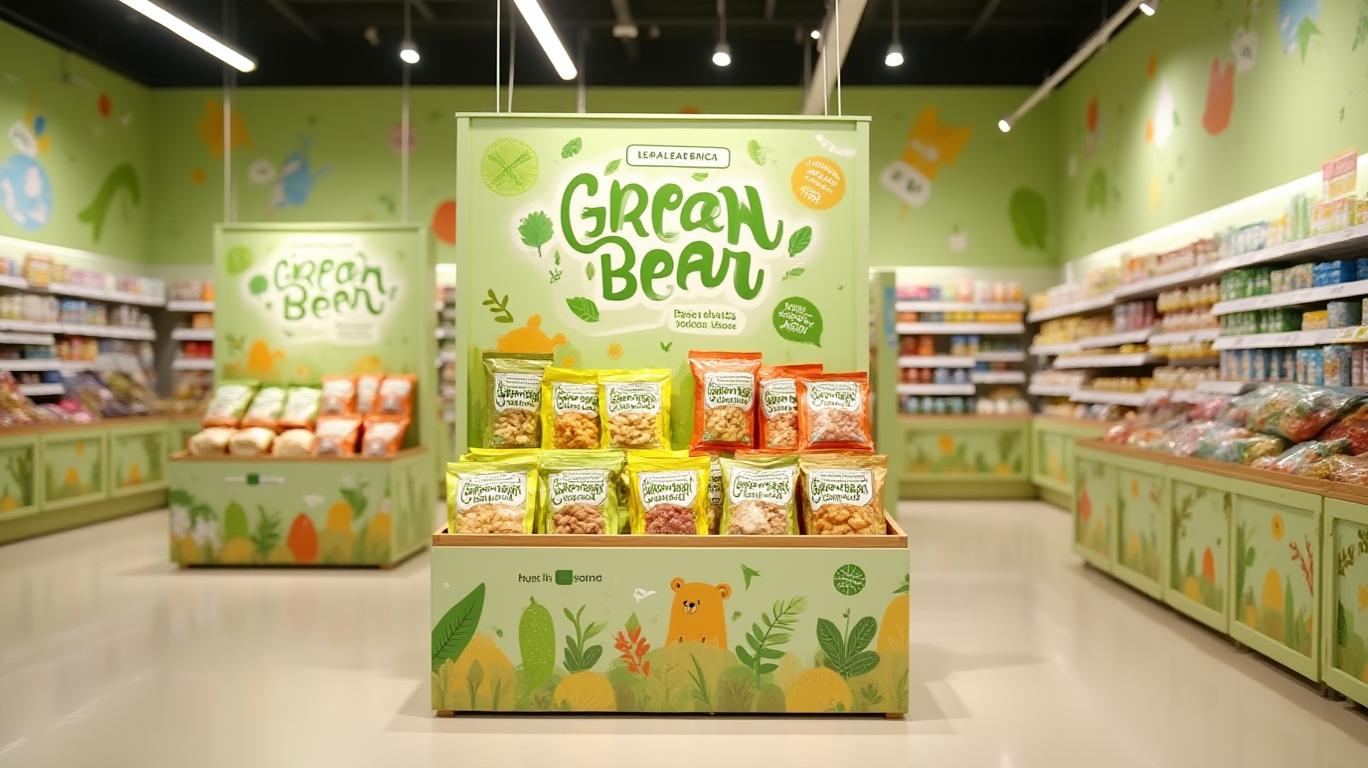
The launch of the "GreenBear" plant-based product line—a response to rising demand for sustainable, health-focused snacks—drove a 19% increase in online engagement and a 15% revenue boost. This aligns with broader trends: 70% of millennials now prioritize eco-friendly packaging, and Maplebear’s commitment to reducing logistics costs by 22% (via a new Singapore-based distribution hub) further underscored its operational agility.Cost Optimization and Supply Chain Resilience
By streamlining logistics and adopting advanced inventory systems, Maplebear cut operational costs by 8%, improving profit margins. These efficiencies, combined with a 15% rise in premium wellness supplement sales, reinforced its financial stability amid sector-wide inflationary pressures.
Market Sentiment and Analyst Outlook
Analysts have taken note of Maplebear’s trajectory. Morgan Stanley reaffirmed a "Hold" rating with a $45 price target, while JMP Securities issued a "Buy" rating, citing its "outperformance in emerging markets." The stock’s P/E ratio of 25.83 reflects investor optimism about its growth potential, though mixed sentiment highlights near-term uncertainties.
Institutional ownership (55% of shares) and insider stakes (15% led by CEO Fidji Simo) signal confidence, but risks persist. A 55% institutional stake could amplify volatility if major holders exit, while the CEO’s modest 0.6% stake raises governance questions.
Conclusion: A Strong Foundation, But Challenges Remain
Maplebear’s RSR rise to 83 is no fluke. Its strategic focus on e-commerce, geographic diversification, and sustainable innovation has delivered tangible results: a 16% annual return to shareholders and a $799 million market cap increase. However, the company must navigate sector-wide headwinds, including tariff disputes and rising competition.
For investors, the stock’s valuation and institutional backing make it a compelling long-term bet, particularly as it capitalizes on trends like plant-based snacking and digital retail. Yet, short-term volatility remains a risk. As Maplebear continues to refine its supply chain and expand into high-growth markets, its RSR could climb further—provided execution stays on course.
In a sector where adaptability is key, Maplebear’s blend of innovation and operational rigor positions it as a standout performer. Whether this momentum sustains hinges on its ability to scale its successes without overextending—a balancing act that will define its next chapter.





Comentarios
Aún no hay comentarios