
US Manufacturing: A Resurgent Sector Driven by Policy and Investment
Generado por agente de IACyrus Cole
miércoles, 22 de enero de 2025, 5:30 pm ET1 min de lectura
WEST--
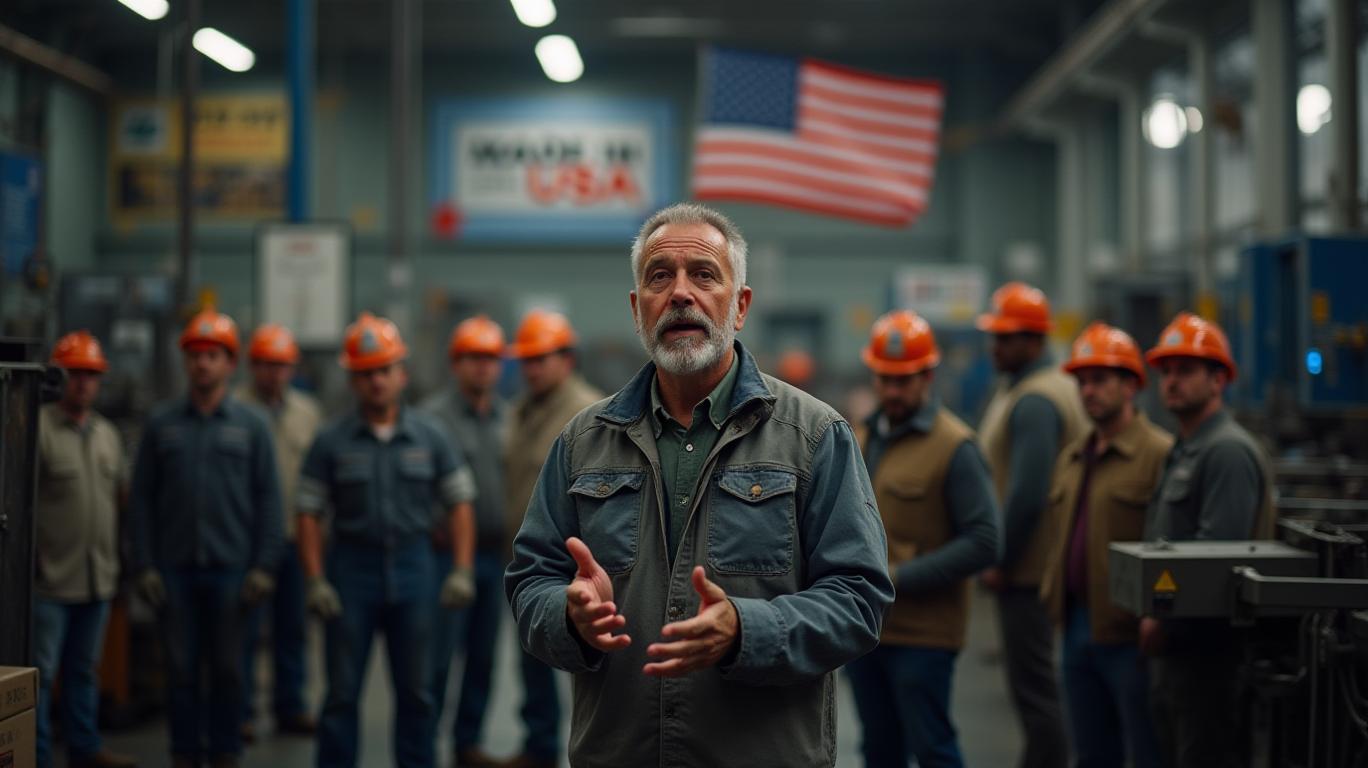
The US manufacturing industry has witnessed a resurgence in recent years, driven by a combination of policy initiatives and increased investment. This article explores the state of US manufacturing, highlighting key trends, drivers, and challenges.
Policy-Driven Growth
The Infrastructure Investment and Jobs Act (IIJA), the Creating Helpful Incentives to Produce Semiconductors (CHIPS) Act, and the Inflation Reduction Act (IRA) have significantly influenced manufacturing investment and job creation in the United States. These policies, signed into law in 2021 and 2022, prioritize rebuilding infrastructure, advancing clean energy initiatives, and building out the domestic semiconductor industry, while also fostering job growth, workforce development, and equity.
The IIJA, CHIPS, and IRA have introduced an infusion of funds and tax incentives into US manufacturing across various sectors, including semiconductors, clean energy components, electric vehicles, batteries, and their constituent parts and raw materials. This has already spurred record private sector investment in the manufacturing industry. For instance, investments in semiconductor and clean technology manufacturing are nearly double the commitments made for these sectors throughout 2021, and nearly 20 times the amount allocated in 2019 (Source: Deloitte, 2024).
Job Creation and Regional Disparities
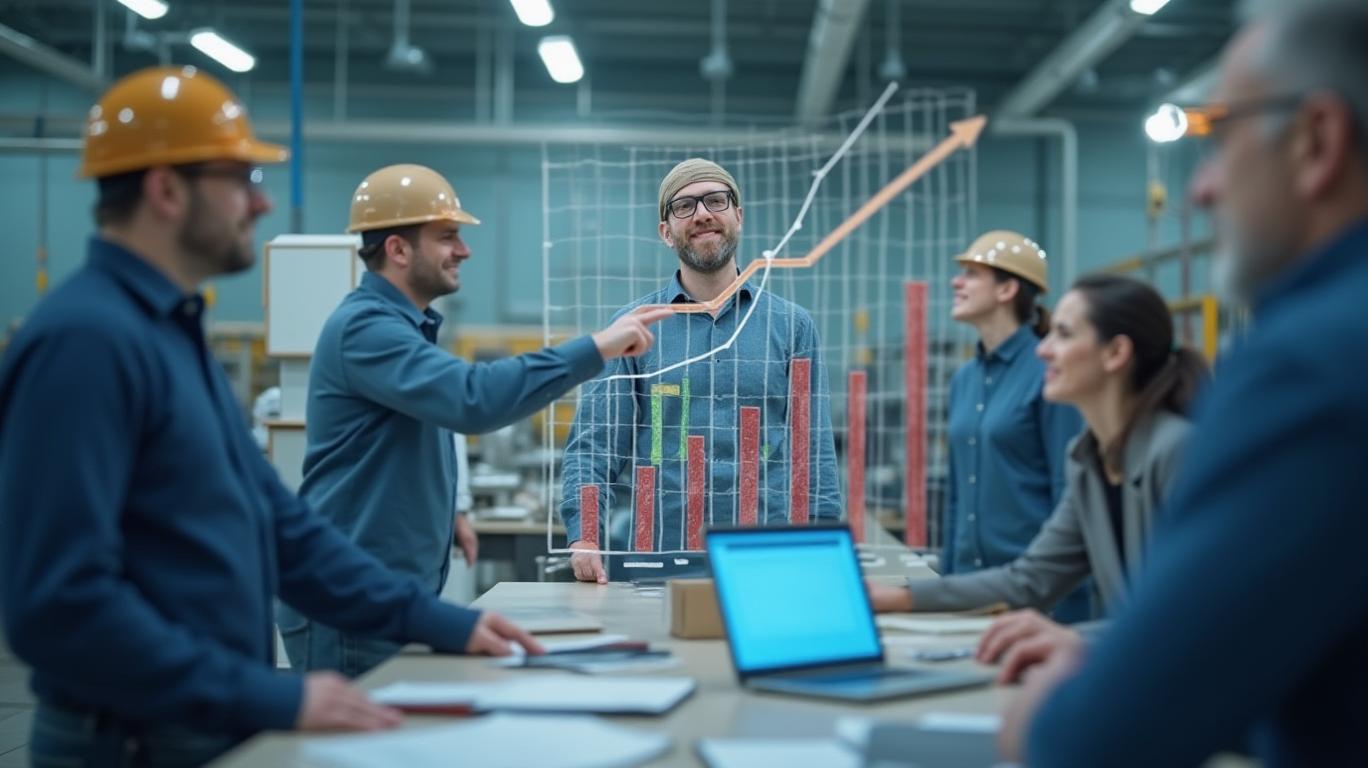
Since the passage of the IRA, close to 200 new clean technology manufacturing facilities have been announced, representing US$88B in investment and expected to create over 75,000 new jobs (Source: Deloitte, 2024). This demonstrates the potential of these policies to stimulate job growth in the manufacturing sector. However, the recovery in manufacturing employment has been uneven across regions. While states in the Sun Belt and Mountain West, such as Florida, Texas, and Utah, are well above pre-pandemic manufacturing employment, states in the Rust Belt, like Pennsylvania, Ohio, Indiana, Illinois, Michigan, and Wisconsin, have not yet rebounded to 2019 levels (Source: Benzow & O'Brien, 2024).
Challenges Ahead
Despite the recent growth, manufacturers are expected to face economic uncertainty, the ongoing shortage of skilled labor, lingering and targeted supply chain disruptions, and new challenges spurred by the need for product innovation to meet company-set net-zero emissions goals in 2024 (Source: Deloitte, 2024). To maintain long-term growth, manufacturers should consider strategies such as navigating persistent talent obstacles, embracing smart factory approaches, exploring the industrial metaverse, and leveraging generative AI to improve efficiency, build resilience, and enhance competitiveness (Source: Deloitte, 2024).
In conclusion, the US manufacturing industry has experienced a resurgence driven by policy initiatives and increased investment. While regional disparities and challenges persist, the sector's growth trajectory remains promising, with potential for further expansion and job creation in the coming years.
The US manufacturing industry has witnessed a resurgence in recent years, driven by a combination of policy initiatives and increased investment. This article explores the state of US manufacturing, highlighting key trends, drivers, and challenges.
Policy-Driven Growth
The Infrastructure Investment and Jobs Act (IIJA), the Creating Helpful Incentives to Produce Semiconductors (CHIPS) Act, and the Inflation Reduction Act (IRA) have significantly influenced manufacturing investment and job creation in the United States. These policies, signed into law in 2021 and 2022, prioritize rebuilding infrastructure, advancing clean energy initiatives, and building out the domestic semiconductor industry, while also fostering job growth, workforce development, and equity.
The IIJA, CHIPS, and IRA have introduced an infusion of funds and tax incentives into US manufacturing across various sectors, including semiconductors, clean energy components, electric vehicles, batteries, and their constituent parts and raw materials. This has already spurred record private sector investment in the manufacturing industry. For instance, investments in semiconductor and clean technology manufacturing are nearly double the commitments made for these sectors throughout 2021, and nearly 20 times the amount allocated in 2019 (Source: Deloitte, 2024).
Job Creation and Regional Disparities
Since the passage of the IRA, close to 200 new clean technology manufacturing facilities have been announced, representing US$88B in investment and expected to create over 75,000 new jobs (Source: Deloitte, 2024). This demonstrates the potential of these policies to stimulate job growth in the manufacturing sector. However, the recovery in manufacturing employment has been uneven across regions. While states in the Sun Belt and Mountain West, such as Florida, Texas, and Utah, are well above pre-pandemic manufacturing employment, states in the Rust Belt, like Pennsylvania, Ohio, Indiana, Illinois, Michigan, and Wisconsin, have not yet rebounded to 2019 levels (Source: Benzow & O'Brien, 2024).
Challenges Ahead
Despite the recent growth, manufacturers are expected to face economic uncertainty, the ongoing shortage of skilled labor, lingering and targeted supply chain disruptions, and new challenges spurred by the need for product innovation to meet company-set net-zero emissions goals in 2024 (Source: Deloitte, 2024). To maintain long-term growth, manufacturers should consider strategies such as navigating persistent talent obstacles, embracing smart factory approaches, exploring the industrial metaverse, and leveraging generative AI to improve efficiency, build resilience, and enhance competitiveness (Source: Deloitte, 2024).
In conclusion, the US manufacturing industry has experienced a resurgence driven by policy initiatives and increased investment. While regional disparities and challenges persist, the sector's growth trajectory remains promising, with potential for further expansion and job creation in the coming years.

Divulgación editorial y transparencia de la IA: Ainvest News utiliza tecnología avanzada de Modelos de Lenguaje Largo (LLM) para sintetizar y analizar datos de mercado en tiempo real. Para garantizar los más altos estándares de integridad, cada artículo se somete a un riguroso proceso de verificación con participación humana.
Mientras la IA asiste en el procesamiento de datos y la redacción inicial, un miembro editorial profesional de Ainvest revisa, verifica y aprueba de forma independiente todo el contenido para garantizar su precisión y cumplimiento con los estándares editoriales de Ainvest Fintech Inc. Esta supervisión humana está diseñada para mitigar las alucinaciones de la IA y garantizar el contexto financiero.
Advertencia sobre inversiones: Este contenido se proporciona únicamente con fines informativos y no constituye asesoramiento profesional de inversión, legal o financiero. Los mercados conllevan riesgos inherentes. Se recomienda a los usuarios que realicen una investigación independiente o consulten a un asesor financiero certificado antes de tomar cualquier decisión. Ainvest Fintech Inc. se exime de toda responsabilidad por las acciones tomadas con base en esta información. ¿Encontró un error? Reportar un problema




Comentarios
Aún no hay comentarios