
U.S. Manufacturing PMI Misses Estimates: Sectoral Shifts and Strategic Opportunities in a Slowing Economy
The U.S. manufacturing sector's December 2025 performance, as captured by the S&P Global Markit Manufacturing PMI, underscores a critical inflection point. The index fell to 51.8, below the forecasted 52.0, marking the lowest level in five months. While the reading remains above the 50 expansion threshold, the slowdown in production growth, new orders, and input inventory accumulation signals a sector grappling with structural headwinds. For investors, the data reveals a nuanced landscape: some industries are buckling under tariff pressures and labor shortages, while others are adapting through reshoring and automation.
Sectoral Implications: Where the Pain Is Focused
1. Automotive and Machinery: Tariff-Driven Volatility
The automotive sector, already reeling from the November 1, 2025, implementation of 25% tariffs on imported trucks and parts, saw new orders contract for the first time since late 2024. While General MotorsGM-- and FordF-- benefited from a pre-expiration surge in EV sales (driven by the $7,500 federal tax credit), the long-term outlook is clouded by rising component costs and supply chain bottlenecks. Machinery manufacturers face similar challenges, with reciprocal tariffs on EU exports and a 18,000-job loss in November 2025 exacerbating capacity constraints.
2. Electronics: Reshoring Gains vs. Global Uncertainty
The electronics sector, though resilient in Q3 2025 (1.3% annualized output growth), faces rising copper prices—spurred by AI-driven demand and constrained supply—which could add 5–8% to component costs. However, early-stage reshoring investments in semiconductors, such as Intel's $20 billion Ohio plant, hint at long-term opportunities. Investors should monitor how firms balance near-term cost pressures with strategic shifts toward domestic production.
3. Labor Market: A Double-Edged Sword
Employment growth in manufacturing hit a six-month high in December, driven by demand for skilled labor in automation and EV production. Yet the sector's 400,000 unfilled roles remain a drag, pushing wages higher and accelerating automation adoption. This duality—strong job creation amid persistent shortages—highlights the need for companies to invest in workforce training or robotics to sustain margins.
Strategic Positioning: Navigating the Slowdown
1. Defensive Plays in Resilient Sectors
Chemicals and semiconductors, which outperformed in Q3 2025, offer relative safety. Firms like Dow Inc. (DOW) and ASML (ASML) are benefiting from industrial demand and reshoring tailwinds. Investors should consider these as hedges against broader manufacturing weakness.
2. Automation and Robotics as a Growth Lever
With labor shortages persisting, companies like Boston Dynamics (BOST) and ABB (ABB) are well-positioned to capitalize on the shift toward automation. The PMI's note on extended delivery times also suggests supply chain bottlenecks may persist, favoring firms that streamline logistics through AI-driven solutions.
3. Shorting Vulnerable Industries
The automotive and machinery sectors, while showing pockets of strength, remain exposed to tariff-driven volatility. Short-term investors might target underperforming firms with high input cost exposure, such as those reliant on imported components. However, caution is warranted as reshoring initiatives could stabilize these industries by mid-2026.
Conclusion: A Sector in Transition
The December PMI miss is not a collapse but a recalibration. Investors must differentiate between temporary pain and long-term structural shifts. Sectors leveraging automation, reshoring, and niche demand (e.g., EVs, semiconductors) will outperform, while those dependent on global supply chains face near-term risks. As the Federal Reserve's forward-looking surveys suggest, 4Q25 growth will likely remain muted, but strategic positioning in resilient subsectors can mitigate broader economic headwinds.
For now, the message is clear: adapt or be left behind. The U.S. manufacturing landscape is evolving, and those who recognize the interplay of tariffs, labor dynamics, and technological innovation will be best positioned to thrive.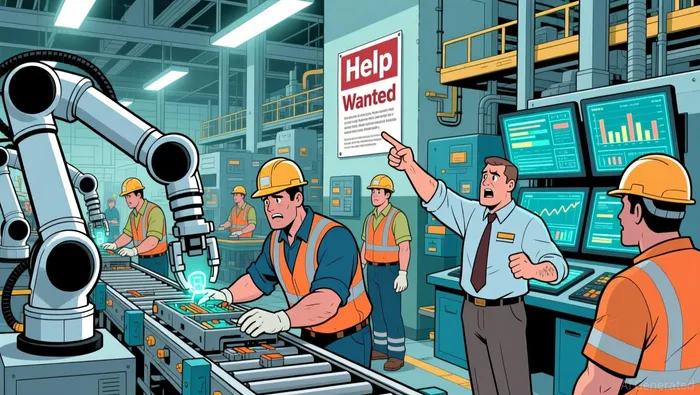





Comentarios
Aún no hay comentarios