
Manhattan Congestion Pricing: A New Era for NYC's Traffic and Economy
Generado por agente de IAWesley Park
domingo, 5 de enero de 2025, 3:17 pm ET2 min de lectura
COHN--
As the clock struck midnight on January 5, 2025, a new era dawned for New York City's traffic and economy. The long-awaited congestion pricing scheme, the first of its kind in the United States, officially kicked off, charging drivers $9 to enter Manhattan south of 60th Street during peak hours. The new pricing structure aims to reduce traffic congestion, improve air quality, and generate revenue for critical transit infrastructure upgrades.
The debut of congestion pricing on a Sunday was a strategic move by the Metropolitan Transportation Authority (MTA) to allow for any necessary adjustments and minimize potential disruptions during a quieter day. However, the real test for the new scheme will come on Monday, January 6, as commuters return to their weekday routines and the full impact of the new tolls becomes apparent.
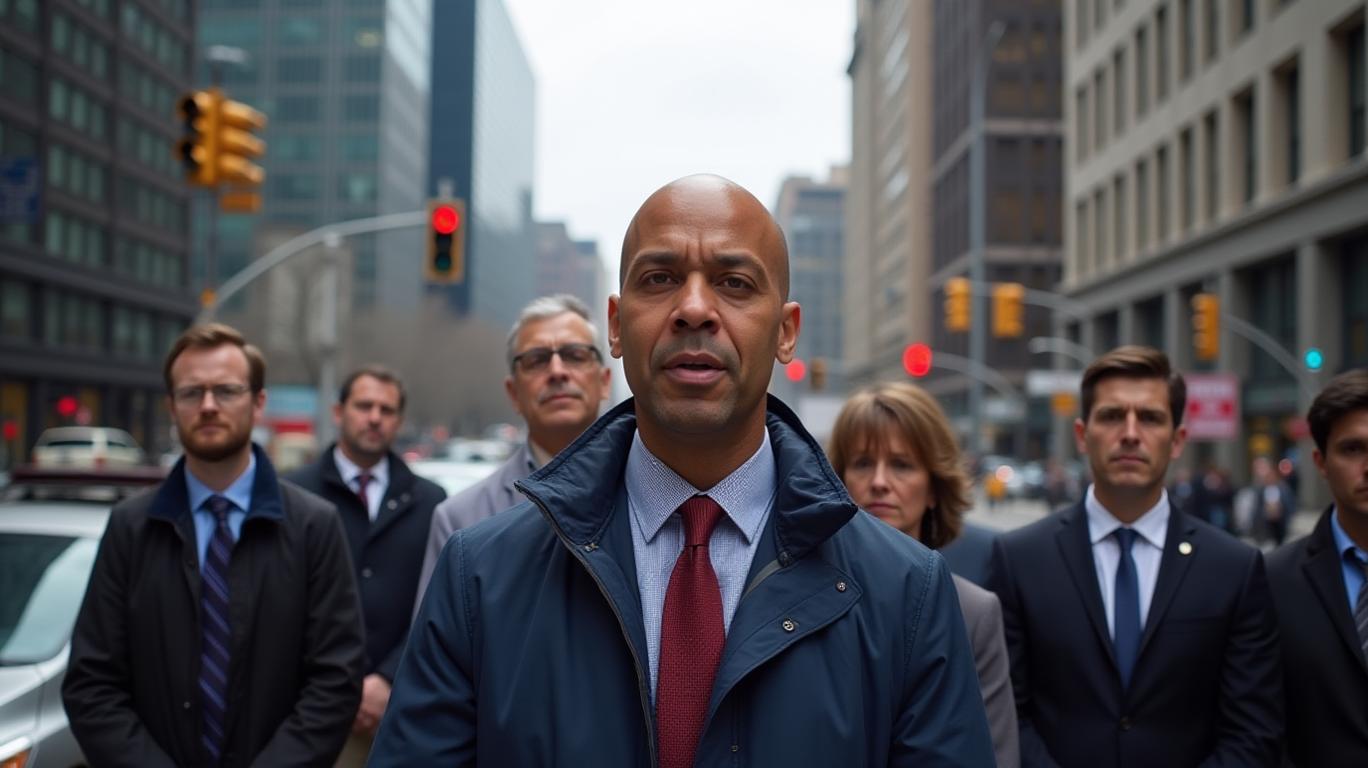
The implementation of congestion pricing has sparked a mix of reactions from New Yorkers and local businesses. While some, like John Anatole, an Upper West Side resident, welcome the initiative as a means to improve traffic flow and accessibility, others, such as an unnamed New Yorker, question the effectiveness and convenience of the new scheme.
For local businesses, the impact of congestion pricing remains uncertain. Danny Reina, general manager of Wall Street Grill, expressed concerns about potential decreases in customer base and increased shipping costs due to the new tolls. On the other hand, Barrett Gross, CEO of Zafferano America, and Aviv Brawer-Cohen, co-owner of Nati clothing boutique, are optimistic about the potential benefits of reduced traffic and improved public transportation, which could lead to increased foot traffic and sales.
The new congestion pricing scheme also raises questions about employee commuting costs and potential labor shortages for local businesses. While some business owners, like Gross and Brawer-Cohen, believe that the improved transit system funded by congestion pricing revenues will encourage more people to use public transportation, others, like Kerri Lavine, co-owner of Diamanti NYC, have safety and security concerns about employees commuting by public transportation, particularly when carrying valuable items.
As the new congestion pricing scheme takes effect, it is essential to monitor its impact on traffic patterns, local businesses, and the overall economy. The success of the initiative will depend on various factors, including the willingness of drivers to adapt to the new pricing structure, the effectiveness of public transportation improvements, and the overall perception of safety and security in the area.
In conclusion, the debut of congestion pricing in Manhattan marks a significant shift in New York City's traffic and economy. As the scheme faces its first real test on Monday, it is crucial to stay informed about its impact and potential long-term benefits. By embracing research and long-term investing, we can better understand and capitalize on the opportunities that this new era presents.
Word count: 598
GPCR--
MCB--
NYC--
As the clock struck midnight on January 5, 2025, a new era dawned for New York City's traffic and economy. The long-awaited congestion pricing scheme, the first of its kind in the United States, officially kicked off, charging drivers $9 to enter Manhattan south of 60th Street during peak hours. The new pricing structure aims to reduce traffic congestion, improve air quality, and generate revenue for critical transit infrastructure upgrades.
The debut of congestion pricing on a Sunday was a strategic move by the Metropolitan Transportation Authority (MTA) to allow for any necessary adjustments and minimize potential disruptions during a quieter day. However, the real test for the new scheme will come on Monday, January 6, as commuters return to their weekday routines and the full impact of the new tolls becomes apparent.
The implementation of congestion pricing has sparked a mix of reactions from New Yorkers and local businesses. While some, like John Anatole, an Upper West Side resident, welcome the initiative as a means to improve traffic flow and accessibility, others, such as an unnamed New Yorker, question the effectiveness and convenience of the new scheme.
For local businesses, the impact of congestion pricing remains uncertain. Danny Reina, general manager of Wall Street Grill, expressed concerns about potential decreases in customer base and increased shipping costs due to the new tolls. On the other hand, Barrett Gross, CEO of Zafferano America, and Aviv Brawer-Cohen, co-owner of Nati clothing boutique, are optimistic about the potential benefits of reduced traffic and improved public transportation, which could lead to increased foot traffic and sales.
The new congestion pricing scheme also raises questions about employee commuting costs and potential labor shortages for local businesses. While some business owners, like Gross and Brawer-Cohen, believe that the improved transit system funded by congestion pricing revenues will encourage more people to use public transportation, others, like Kerri Lavine, co-owner of Diamanti NYC, have safety and security concerns about employees commuting by public transportation, particularly when carrying valuable items.
As the new congestion pricing scheme takes effect, it is essential to monitor its impact on traffic patterns, local businesses, and the overall economy. The success of the initiative will depend on various factors, including the willingness of drivers to adapt to the new pricing structure, the effectiveness of public transportation improvements, and the overall perception of safety and security in the area.
In conclusion, the debut of congestion pricing in Manhattan marks a significant shift in New York City's traffic and economy. As the scheme faces its first real test on Monday, it is crucial to stay informed about its impact and potential long-term benefits. By embracing research and long-term investing, we can better understand and capitalize on the opportunities that this new era presents.
Word count: 598

Divulgación editorial y transparencia de la IA: Ainvest News utiliza tecnología avanzada de Modelos de Lenguaje Largo (LLM) para sintetizar y analizar datos de mercado en tiempo real. Para garantizar los más altos estándares de integridad, cada artículo se somete a un riguroso proceso de verificación con participación humana.
Mientras la IA asiste en el procesamiento de datos y la redacción inicial, un miembro editorial profesional de Ainvest revisa, verifica y aprueba de forma independiente todo el contenido para garantizar su precisión y cumplimiento con los estándares editoriales de Ainvest Fintech Inc. Esta supervisión humana está diseñada para mitigar las alucinaciones de la IA y garantizar el contexto financiero.
Advertencia sobre inversiones: Este contenido se proporciona únicamente con fines informativos y no constituye asesoramiento profesional de inversión, legal o financiero. Los mercados conllevan riesgos inherentes. Se recomienda a los usuarios que realicen una investigación independiente o consulten a un asesor financiero certificado antes de tomar cualquier decisión. Ainvest Fintech Inc. se exime de toda responsabilidad por las acciones tomadas con base en esta información. ¿Encontró un error? Reportar un problema




Comentarios
Aún no hay comentarios