
Malaysia's Crackdown on Illegal Bitcoin Mining and Its Impact on Renewable Energy Investment Opportunities
Malaysia's aggressive crackdown on illegal BitcoinBTC-- mining has emerged as a pivotal policy shift with far-reaching implications for the country's energy transition and renewable investment landscape. Between 2023 and 2025, the government has intensified enforcement actions against electricity theft linked to cryptocurrency operations, recovering over 13,827 premises and addressing RM4.57 billion in losses to Tenaga Nasional Berhad (TNB). This regulatory focus reflects a broader strategic pivot toward energy security and sustainability, with potential knock-on effects for Southeast Asia's green tech sector.
Policy Measures and Enforcement: A Multi-Agency Approach
The Malaysian government has adopted a multi-pronged strategy to combat illegal Bitcoin mining. A cross-ministerial committee, involving the Energy Transition and Water Transformation Ministry, Finance Ministry, and law enforcement agencies, has been established to formulate long-term measures, including the possibility of a nationwide ban on Bitcoin mining. Current legal frameworks, such as Section 37(3) of the Electricity Supply Act, already penalize illegal electricity use with fines and imprisonment, but enforcement has been ramped up through raids and the destruction of mining rigs. These actions signal a clear intent to reallocate energy resources away from unregulated, energy-intensive activities toward productive and sustainable uses.
Redirecting Energy Demand: From Cryptocurrency to Renewables
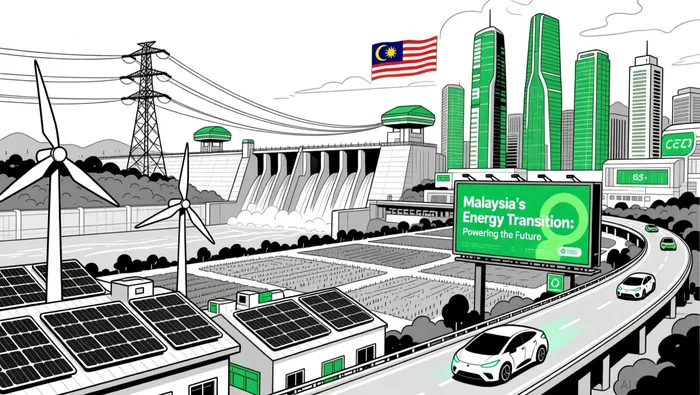
The crackdown has inadvertently created a vacuum in electricity demand that the government is seeking to fill with renewable energy initiatives. According to a report by the National Energy Transition Roadmap (NETR), Malaysia aims to increase its renewable energy share in the power mix from 40% in 2035 to 70% by 2050. This transition is underpinned by RM637 billion in projected investments by 2050, supported by policies such as the Large-Scale Solar Programme, Feed-in Tariff Programme, and the Corporate Renewable Energy Supply Scheme (CRESS). The government has also mandated a minimum 51% local ownership equity in renewable projects to foster technology transfer and skilled job creation.
Cross-Border Collaboration and Regional Energy Hubs
Malaysia's energy transition is further amplified by cross-border initiatives. The Laos-Thailand-Malaysia-Singapore Power Integration Project exemplifies regional cooperation, enabling Singapore to import hydropower from Laos via Thailand and Malaysia. Similarly, the Guide for Cross-Border Electricity Sales (CBES) facilitates renewable energy exports to Singapore and Thailand, with a 300MW capacity already allocated for solar power. These efforts position Malaysia as a regional energy hub, leveraging its infrastructure and policy frameworks to attract international investors.
Policy Risks and Regulatory Uncertainty
While the crackdown on Bitcoin mining aligns with Malaysia's sustainability goals, it introduces policy risks for investors. The potential for a total ban on cryptocurrency mining remains a wildcard, with some experts advocating for regulation instead of prohibition to harness Bitcoin's economic potential. Additionally, the government's emphasis on renewable energy may require further adjustments to energy pricing and subsidy structures, which could impact investor returns. For instance, balancing the need for affordable energy with the costs of transitioning to renewables remains a challenge, particularly as industrialization and digitalization drive rising electricity demand.
Conclusion: A Strategic Inflection Point for Green Tech
Malaysia's crackdown on illegal Bitcoin mining represents a strategic inflection point for its energy sector. By redirecting energy use toward renewables and fostering regional collaboration, the country is creating a fertile ground for green tech investment. However, investors must navigate regulatory uncertainties and evolving policy frameworks. The success of Malaysia's energy transition will hinge on its ability to balance enforcement with innovation, ensuring that the shift from cryptocurrency to clean energy not only secures national energy security but also catalyzes Southeast Asia's broader sustainability agenda.






Comentarios
Aún no hay comentarios