
The Mailed ID Revolution: A Global Shift in Identity Management
The way governments issue identity documents is undergoing a seismic shift. From Germany to the Turks and Caicos Islands, countries are rolling out mailed ID card delivery programs by 2025, driven by security, convenience, and modernization imperatives. This trend promises to reshape industries from logistics to cybersecurity, offering investors a glimpse into the future of identity management.
Germany’s Postident Launch: A Model for Convenience
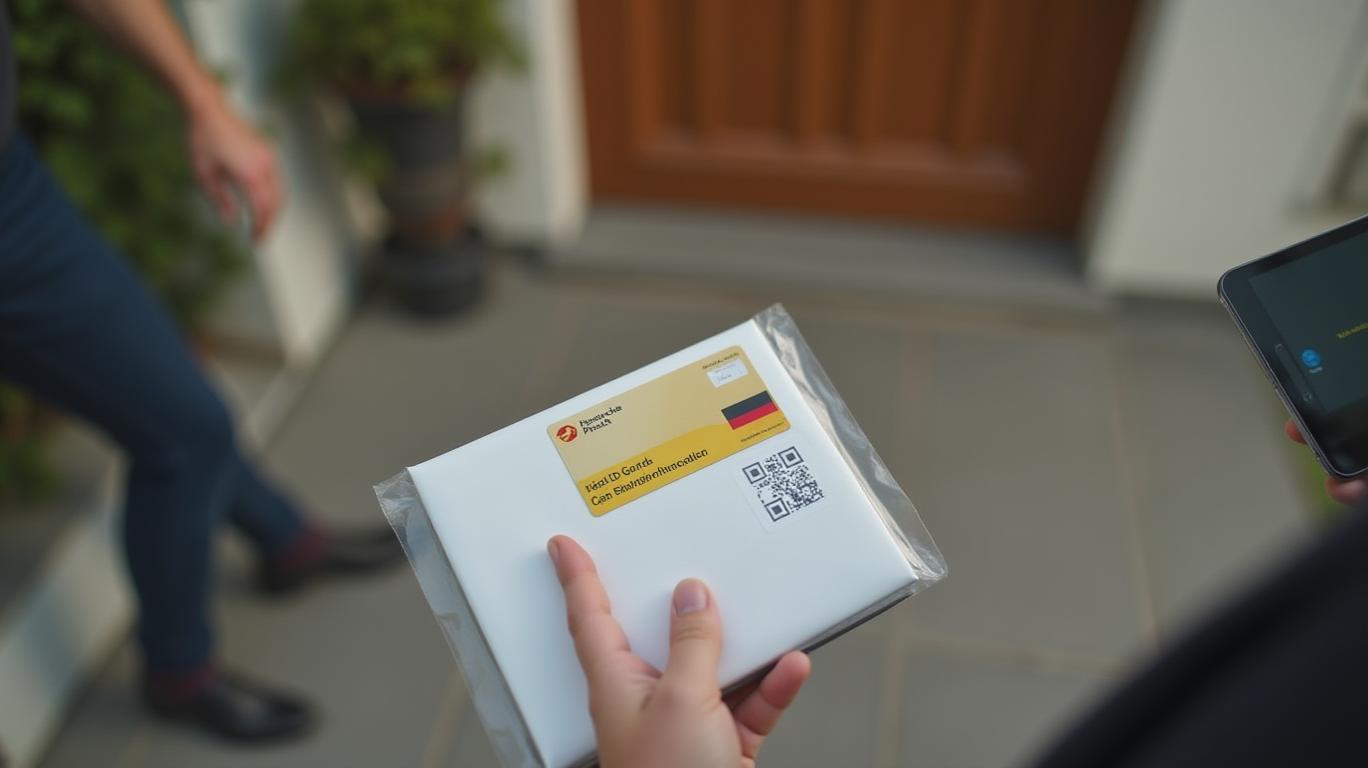
Germany’s Postident delivery service, set to launch on May 2, 2025, marks a pivotal moment. Citizens can now have identity cards, passports, and e-residence permits mailed directly to their homes. Delivery staff will verify recipients’ identities on-site using valid existing IDs, with a fee of €15. This eliminates the need for twice-in-person visits, a move praised by local governments like North Rhine-Westphalia for reducing administrative burdens.
The service, managed by Deutsche Post and Bundesdruckerei, addresses a pressing logistical issue: in 2023, over 4 million Germans applied for IDs, with many delaying collection due to travel constraints. The likely reflects early demand, positioning the company as a key beneficiary of this trend.
The U.S. Real ID Rollout: A Compliance-Driven Market
The U.S. Real ID Act, set to fully take effect on May 7, 2025, is mandating a nationwide shift to mailed ID delivery. Over 38 states, including Indiana, now use central issuance, where IDs are printed centrally and mailed post-verification. Indiana’s Bureau of Motor Vehicles (BMV) reports that 14-day mail delivery has reduced fraud by 20% since 2022.
The compliance deadline is driving urgency: by May 2025, non-Real ID licenses will no longer be accepted for air travel. This creates opportunities for companies like De La Rue (secure printing) and Diebold Nixdorf (ATM/kiosk tech), which handle document production and logistics. The shows a 30% rise, aligning with Real ID rollout timelines.
Emerging Markets: The Turks and Caicos and Burundi
Smaller nations are also embracing mailed IDs. The Turks and Caicos Islands aim to replace outdated documents like the NHIP card with a unified ID by 2025. Partnering with Estonia—a pioneer in digital governance—the project’s $92 million World Bank-funded "Digital Foundations" initiative (launched in 2022) underscores the global push for secure, integrated systems.
Burundi’s biometric ID rollout, delayed since 2013, is now advancing with 11 pilot municipalities operational by 2023. The cards include fingerprints and lifelong identifiers, targeting electoral fraud and cross-border security within the East African Community. While challenges like rural access remain, the (peaking at 39% in 2025) highlights the urgency of modernizing governance to stabilize economies.
Risks and Considerations
Investors must weigh risks:
1. Data Privacy: Burundi’s 2022 CIPESA report warned of weak biometric safeguards, a concern for all ID programs.
2. Logistical Hurdles: Rural regions in Burundi and Nepal face delays due to poor infrastructure.
3. Political Interference: Past cases in Burundi’s Muyinga province (2014) show how IDs can be weaponized, requiring robust oversight.
The Investment Playbook
- Tech Providers: Biometric firms like IDEMIA (global leader in ID systems) and cybersecurity companies like Palo Alto Networks stand to benefit.
- Logistics Leaders: Deutsche Post and Pitney Bowes, with expertise in secure delivery, are well-positioned.
- Emerging Markets: The Turks and Caicos’ partnership with Estonia hints at opportunities in digital infrastructure, while Burundi’s World Bank-backed projects offer long-term growth.
Conclusion: A Secure Future, Built on Trust
The mailed ID revolution is not just about convenience—it’s a foundational shift toward digital trust. By 2025, over 1 billion people globally will rely on biometric or centrally issued IDs, according to UN estimates. The market for secure identity systems is projected to hit $200 billion by 2027, with mailed delivery serving as its backbone.
Investors should prioritize companies with anti-fraud tech, regulatory compliance expertise, and logistical scalability. The German Postident model and U.S. Real ID rollout prove that convenience and security can coexist—opening doors for those ready to invest in the future of identity.
The numbers are clear: this is a trend that won’t slow down.







Comentarios
Aún no hay comentarios