
Maggot Magic: Zimbabwe Farmers Turn Waste into Wealth
Generado por agente de IAWesley Park
viernes, 29 de noviembre de 2024, 12:29 am ET1 min de lectura
WM--
In the face of drought and food insecurity, some Zimbabwean farmers have found an unlikely ally in their quest for survival and prosperity: maggots. Once considered a nuisance, these humble creatures are now being harnessed to create wealth and sustainability.
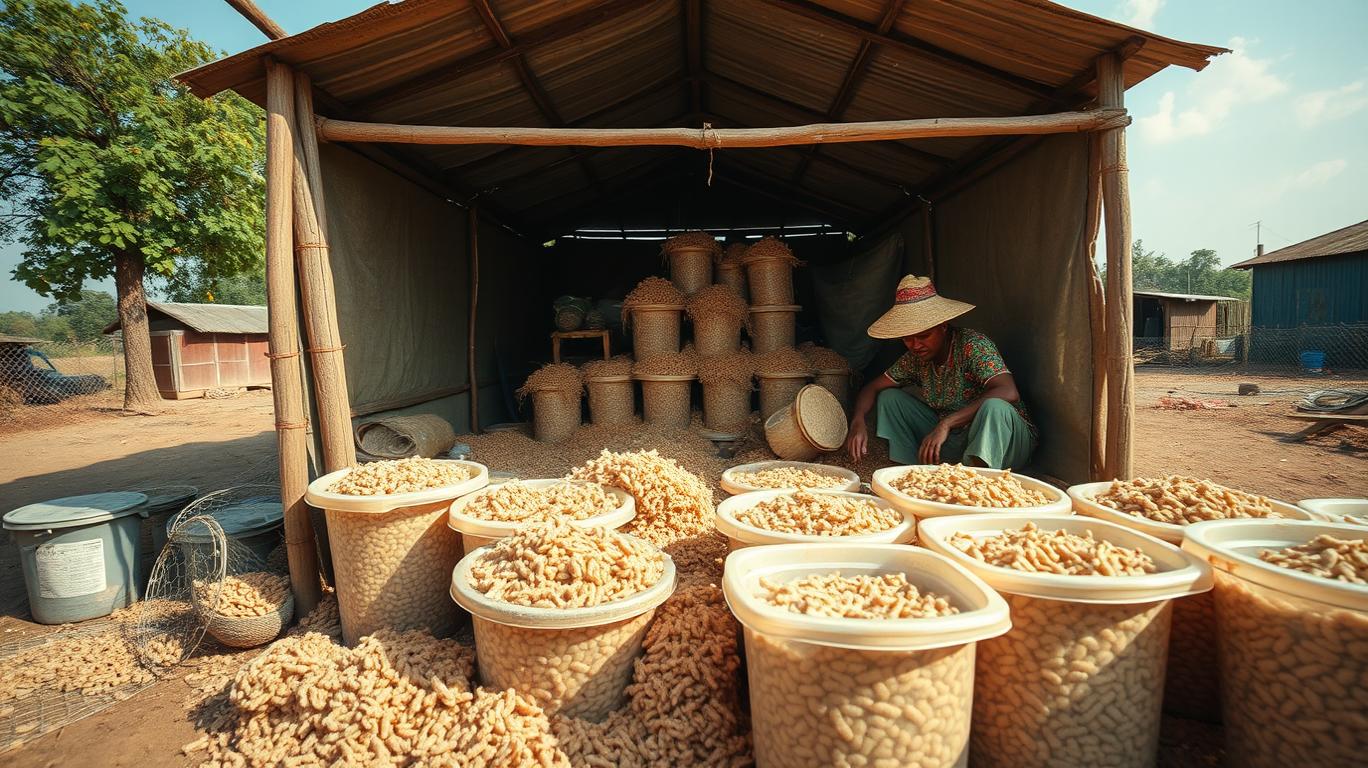
Maggot farming, as it's known, involves breeding black soldier fly larvae to convert organic waste into high-protein animal feed. This innovative approach not only reduces food waste but also fosters a circular economy, transforming waste into a valuable resource.
The story of Mari Choumumba, a Zimbabwean farmer, illustrates the potential of maggot farming. Initially skeptical, she now proudly tends to her maggot pit, feeding her chickens with maggot-derived feed and reaping the benefits. "I never thought I'd be making a living from maggots," she says, her smile reflecting her newfound success.
The numbers speak for themselves. Maggot farming reduces production costs by up to 40%, making it an affordable and sustainable solution for rural farmers. With the drought decimating traditional crops, small livestock like chickens have become a lifeline for communities, helping them recover more quickly.
But maggot farming isn't just about chickens. It's about waste management, too. Zimbabwe produces over 1.6 million tons of waste annually, most of which can be recycled or composted. By feeding maggots on waste, farmers help reduce greenhouse gas emissions and manage organic waste, contributing to a cleaner and healthier environment.
Maggot farming isn't without its challenges. The "yuck factor" is an issue, but necessity has triumphed, and more farmers are embracing this unconventional solution. As the benefits become increasingly apparent, maggot farming is gaining traction, transforming lives and communities across Zimbabwe.
The future of maggot farming looks bright. With support from governments and donors, research and development, education, and infrastructure can help ensure its scalability and sustainability. By integrating maggot farming into national policies and development plans, Zimbabwe can harness the power of waste to promote food security and sustainable development.
In a world where resources are finite and environmental challenges are mounting, maggot farming offers a beacon of hope. It's a reminder that, even in the most challenging circumstances, innovation and creativity can turn waste into wealth.
Maggot farming, as it's known, involves breeding black soldier fly larvae to convert organic waste into high-protein animal feed. This innovative approach not only reduces food waste but also fosters a circular economy, transforming waste into a valuable resource.
The story of Mari Choumumba, a Zimbabwean farmer, illustrates the potential of maggot farming. Initially skeptical, she now proudly tends to her maggot pit, feeding her chickens with maggot-derived feed and reaping the benefits. "I never thought I'd be making a living from maggots," she says, her smile reflecting her newfound success.
The numbers speak for themselves. Maggot farming reduces production costs by up to 40%, making it an affordable and sustainable solution for rural farmers. With the drought decimating traditional crops, small livestock like chickens have become a lifeline for communities, helping them recover more quickly.
But maggot farming isn't just about chickens. It's about waste management, too. Zimbabwe produces over 1.6 million tons of waste annually, most of which can be recycled or composted. By feeding maggots on waste, farmers help reduce greenhouse gas emissions and manage organic waste, contributing to a cleaner and healthier environment.
Maggot farming isn't without its challenges. The "yuck factor" is an issue, but necessity has triumphed, and more farmers are embracing this unconventional solution. As the benefits become increasingly apparent, maggot farming is gaining traction, transforming lives and communities across Zimbabwe.
The future of maggot farming looks bright. With support from governments and donors, research and development, education, and infrastructure can help ensure its scalability and sustainability. By integrating maggot farming into national policies and development plans, Zimbabwe can harness the power of waste to promote food security and sustainable development.
In a world where resources are finite and environmental challenges are mounting, maggot farming offers a beacon of hope. It's a reminder that, even in the most challenging circumstances, innovation and creativity can turn waste into wealth.

Divulgación editorial y transparencia de la IA: Ainvest News utiliza tecnología avanzada de Modelos de Lenguaje Largo (LLM) para sintetizar y analizar datos de mercado en tiempo real. Para garantizar los más altos estándares de integridad, cada artículo se somete a un riguroso proceso de verificación con participación humana.
Mientras la IA asiste en el procesamiento de datos y la redacción inicial, un miembro editorial profesional de Ainvest revisa, verifica y aprueba de forma independiente todo el contenido para garantizar su precisión y cumplimiento con los estándares editoriales de Ainvest Fintech Inc. Esta supervisión humana está diseñada para mitigar las alucinaciones de la IA y garantizar el contexto financiero.
Advertencia sobre inversiones: Este contenido se proporciona únicamente con fines informativos y no constituye asesoramiento profesional de inversión, legal o financiero. Los mercados conllevan riesgos inherentes. Se recomienda a los usuarios que realicen una investigación independiente o consulten a un asesor financiero certificado antes de tomar cualquier decisión. Ainvest Fintech Inc. se exime de toda responsabilidad por las acciones tomadas con base en esta información. ¿Encontró un error? Reportar un problema


SOBRE NOSOTROS
Nuestra historiaAutores de noticiasBase de conocimientosPolítica de privacidadTérmino de usoDescargo de responsabilidad de corretaje de tercerosTérminos de uso de AIMEDivulgaciones de riesgos de AInvest AICarrerasCONTÁCTENOS
Email: support@ainvest.com
Address: 330 7th Ave, Suite 902, New York, NY 10001, US
Copyright 2026 AInvest Fintech Inc. All rights reserved.


Comentarios
Aún no hay comentarios