
The Macroeconomic Implications of Institutional Bitcoin Adoption and the Shadow of a U.S. Bitcoin Reserve
The U.S. Congress has yet to formally propose a BitcoinBTC-- Reserve, but the macroeconomic and institutional forces reshaping the financial landscape suggest that such a concept is no longer a fringe idea. By 2025, Bitcoin has transitioned from speculative asset to a cornerstone of institutional portfolios, with 59% of institutional investors allocating digital assets to their holdings[1]. This shift, driven by regulatory clarity, technological infrastructure, and macroeconomic tailwinds, has created a ripple effect that could indirectly pressure Congress to reconsider Bitcoin's role in national economic strategy—even if no formal proposal exists today.
Institutional Adoption: A Catalyst for Systemic Change
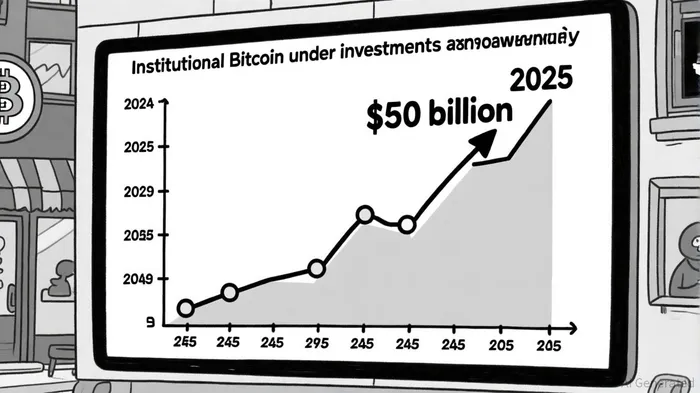
The introduction of Spot Bitcoin ETFs, particularly BlackRock's iShares Bitcoin Trust (IBIT), has been a game-changer. By mid-2025, these vehicles had amassed over $50 billion in assets under management[1], providing institutions with a regulated, low-friction pathway to Bitcoin exposure. This has normalized Bitcoin as a reserve asset, with corporate treasuries and Sovereign Wealth Funds (SWFs) quietly allocating portions of their reserves to Bitcoin as a hedge against inflation and geopolitical instability[1]. The result? A 75% reduction in Bitcoin's annualized volatility compared to earlier cycles[1], a metric that has historically deterred institutional participation.
The U.S. Securities and Exchange Commission's (SEC) proactive approach to digital asset regulation has further accelerated this trend. Clearer compliance guidelines and custody solutions have removed critical barriers, enabling institutions to treat Bitcoin as a strategic tool for diversification rather than a speculative gamble[2]. As a result, Bitcoin's correlation with traditional assets has weakened, making it an attractive non-correlated reserve asset in an era of monetary uncertainty.
Macroeconomic Implications: From Portfolio Diversification to Systemic Risk
The growing institutional embrace of Bitcoin raises broader macroeconomic questions. For instance, if a significant portion of corporate and sovereign reserves shifts to Bitcoin, how might this impact monetary policy? Central banks traditionally manage inflation and liquidity through interest rates and open-market operations, but Bitcoin's decentralized nature introduces a variable they cannot control. This could create unintended feedback loops, particularly if Bitcoin's adoption accelerates during periods of high inflation or currency devaluation.
Moreover, the rise of Bitcoin as a reserve asset challenges the dollar's dominance in global finance. While Bitcoin currently constitutes a small fraction of global reserves, its non-sovereign, borderless nature positions it as a potential competitor to fiat currencies in times of geopolitical crisis. This dynamic could indirectly influence U.S. legislative debates, as policymakers weigh the risks of ceding monetary authority to a decentralized asset.
The Shadow of a Bitcoin Reserve: Legislative Inaction or Strategic Delay?
Despite the absence of direct congressional proposals for a Bitcoin Reserve, the systemic implications of institutional adoption cannot be ignored. The U.S. government's current stance—largely one of regulatory oversight rather than active participation—may reflect a strategic delay. By allowing the private sector to test Bitcoin's viability as a reserve asset, Congress could avoid premature commitments while gathering data on its macroeconomic impact.
However, this inaction carries risks. If other nations or private entities continue to adopt Bitcoin at scale, the U.S. could face a fragmented global financial system where Bitcoin operates outside traditional regulatory frameworks. This scenario might eventually force Congress to act, either by formalizing a Bitcoin Reserve or by enacting legislation to mitigate systemic risks.
Conclusion: A Tipping Point for Bitcoin's Institutional Future
Bitcoin's journey from niche asset to institutional staple has been meteoric. With 59% of institutional portfolios now including digital assets[1], and SWFs and corporations treating Bitcoin as a legitimate reserve asset[1], the macroeconomic implications are profound. While the U.S. Congress has not yet proposed a Bitcoin Reserve, the systemic shifts underway suggest that such a concept is no longer unthinkable. As volatility declines and regulatory clarity improves, the pressure to address Bitcoin's role in national economic strategy will only intensify. Whether through direct legislative action or indirect market forces, the era of Bitcoin as a macroeconomic actor is here—and it is reshaping the financial landscape in ways that demand careful scrutiny.





Comentarios
Aún no hay comentarios