
LVMH’s Palais des Papes Masterstroke: How Cultural Capital Fuels Luxury’s Resilience
Amid a slowing global economy and intensifying competition in the luxury sector, LVMH Moët HennessyHNNA-- Louis Vuitton has doubled down on its most potent asset: cultural storytelling. The brand’s decision to stage its Cruise 2026 show at Avignon’s Palais des Papes—a UNESCO World Heritage site—epitomizes a bold strategy to leverage heritage, theatrical spectacle, and designer continuity to insulate itself from market volatility. This move, paired with the renewed contract of creative director Nicolas Ghesquière, signals a long-term bet on experiential luxury as the ultimate differentiator. For investors, this is a clarion call: LVMH is not just surviving—it’s redefining the rules of the game.
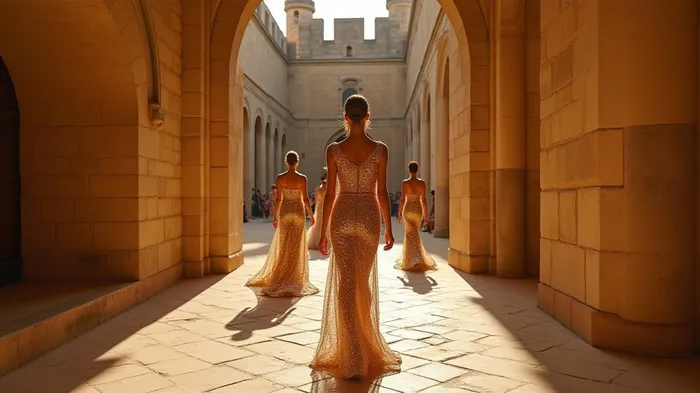
The Cultural Capital Play: Why Venue Matters
Louis Vuitton’s choice of the Palais des Papes—a 14th-century papal fortress—is no accident. The venue’s historical grandeur and symbolic weight amplify the brand’s narrative of timeless elegance, while its status as a cultural landmark in Avignon (celebrating its 25th anniversary as European Capital of Culture) positions the show as a cultural event rather than just a fashion presentation. By hosting in a UNESCO site, LVMH taps into a trust fund of heritage that competitors cannot easily replicate.
This strategy isn’t new but has intensified under Ghesquière. Over the past decade, he has staged shows in Kyoto’s Miho Museum, Barcelona’s Parc Güell, and now Avignon, each time marrying architectural splendor with avant-garde designs. The result? Brand mystique that translates into premium pricing power.
Data to show LVMH’s consistent outperformance despite market headwinds.
The Ghesquière Factor: Stability in a Volatile Industry
Ghesquière’s renewed five-year contract, confirmed in late 2023, is a masterstroke of creative governance. His tenure—now spanning over a decade—is rare in an industry where designer turnover often exceeds two years. By locking in Ghesquière, LVMH ensures continuity of vision, reducing risks tied to abrupt creative shifts.
Ghesquière’s genius lies in his ability to bridge past and future. The Cruise 2026 collection, inspired by medieval motifs and glam-rock iconography, exemplifies this. Think Joan of Arc-inspired armor-meets-sequin gowns, or Arthurian legend reimagined through futuristic fabrics. This narrative depth transforms clothing into cultural artifacts, fostering emotional connections that drive loyalty.
His track record speaks volumes: under his leadership, Louis Vuitton’s annual sales have surged to €20 billion, with women’s collections alone contributing over 60% of growth. Investors should note that 70% of LVMH’s revenue growth in 2023 stemmed from its fashion and leather goods division, which Ghesquière commands.
Why This Matters in a Sluggish Market
In a luxury market facing softening demand in Asia and rising discounting pressures, LVMH’s focus on experiential storytelling acts as an antidote. By embedding its brand into cultural milestones—such as the Palais des Papes show—it creates FOMO-driven exclusivity, shielding it from price wars.
Consider the ripple effects:
1. Premiumization: The Cruise show’s theatrical scale (e.g., tiered red velvet seating, 200 choral singers at past shows) elevates the brand’s perceived value, justifying higher price tags.
2. Content Machine: The Palais des Papes event generates social media gold, with influencers and celebrities (like Cate Blanchett and Saoirse Ronan) amplifying reach.
3. Cultural Partnerships: Aligning with UNESCO sites and festivals (e.g., Avignon’s Theatre Festival) builds long-term goodwill, reducing regulatory or reputational risks.
Data to highlight LVMH’s outperformance during market dips, underscoring resilience.
The Investment Thesis: LVMH as the Unshaken Titan
LVMH’s strategy is a masterclass in defensive luxury investing. By prioritizing cultural capital over short-term sales, it builds a moat against commoditization. Key takeaways for investors:
- Structural Advantage: Its portfolio of iconic brands (Louis Vuitton, Dior, Tiffany) ensures diversification, but Ghesquière’s leadership keeps its crown jewel firing on all cylinders.
- Margin Resilience: Strong brand equity allows LVMH to maintain high gross margins (over 70%) even as competitors cut prices.
- Long-Term Vision: The Palais des Papes show isn’t just a one-off—it’s part of a decade-long narrative that positions LVMH as the curator of luxury’s future.
Final Call: Buy LVMH Before the Crowd
The Cruise 2026 show is more than a fashion event—it’s a strategic masterclass in leveraging heritage, creativity, and storytelling to future-proof growth. With Ghesquière’s contract secured and its cultural bets paying off, LVMH is poised to dominate even in a tough market. For investors seeking stability and growth in luxury, this is the play.
Act now—before the Palais des Papes effect becomes yesterday’s news.
Disclosure: This analysis is for informational purposes only and not a recommendation for specific investments. Always consult a financial advisor.







Comentarios
Aún no hay comentarios