
Luxury Eco-Tourism as a Catalyst for Sustainable Infrastructure in Post-Conflict Emerging Markets
The Economic Promise of Luxury Eco-Tourism
Post-conflict regions often lack the capital and infrastructure to attract traditional tourism. However, luxury eco-tourism projects, which prioritize sustainability and exclusivity, offer a unique solution. According to a report by the World Travel & Tourism Council, the global travel and tourism sector contributed $10.9 trillion to GDP in 2024, supporting 357 million jobs worldwide. In post-conflict areas like Uganda and Madagascar, tourism has generated direct and indirect economic benefits, including job creation and support for local value chains according to a recent analysis.
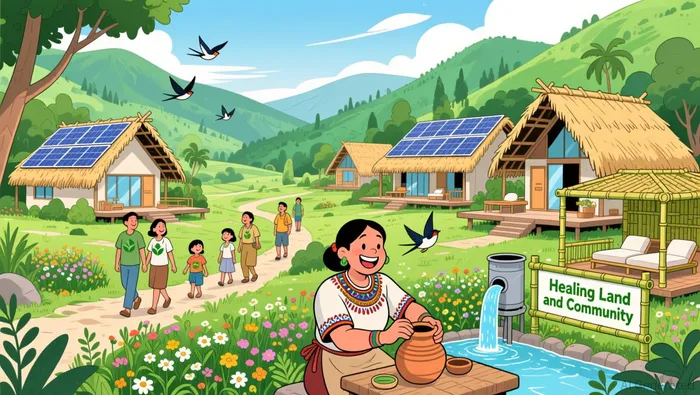
A key example is Cyprus, where luxury resorts such as the Aliathon Hotel and Resort have integrated energy-efficient technologies, including solar panels and greywater systems, while fostering local economic participation according to research. These projects not only reduce operational costs but also create a blueprint for scalable, sustainable infrastructure.
Environmental Impact and Carbon Reduction
Luxury eco-tourism's environmental credentials are equally compelling. The WTTC reported that the global travel and tourism sector reduced its greenhouse gas emissions by 9.3% since 2019, driven by a 16.6% increase in low-carbon energy adoption. In post-conflict regions, where infrastructure rebuilding is critical, projects often incorporate renewable energy and conservation-focused design. For instance, the Elysium resort in Cyprus uses LED lighting and solar water heating, cutting energy consumption by over 40%.
Funding Mechanisms and High-Impact Investments
Scaling these projects requires innovative financing. AAY Investments Group, a global project-finance firm, has expanded its 2026 operations to fund infrastructure and renewable energy projects in emerging markets, offering up to 100% project financing. Such models enable developers to construct luxury eco-tourism facilities without overburdening local governments. For example, AAY's 60% debt-to-40% equity structure allows for risk-sharing while ensuring long-term sustainability.
Case Study: Cyprus and the Path Forward
Cyprus's experience underscores the potential of luxury eco-tourism in post-conflict settings. The Atlantica Mare Village Pafos, for instance, has implemented waste management systems that divert 70% of landfill waste to recycling or composting. These initiatives align with broader goals of environmental preservation and community engagement, demonstrating how tourism can drive both economic and ecological recovery.
Conclusion
Luxury eco-tourism in post-conflict emerging markets represents a high-impact investment strategy, combining economic revitalization with environmental stewardship. As global demand for sustainable travel grows-projected to expand at a 16.70% CAGR through 2033-investors and policymakers must prioritize partnerships that align luxury with sustainability. By leveraging innovative financing and proven models, post-conflict economies can transform tourism into a pillar of long-term resilience.







Comentarios
Aún no hay comentarios