
Lula's Cabinet Pick Signals Sharp Left Turn as Approval Falls
Generado por agente de IAClyde Morgan
viernes, 28 de febrero de 2025, 3:28 pm ET1 min de lectura
CIO--
As Brazilian President Luiz Inácio Lula da Silva's (Lula) approval ratings decline, his cabinet reshuffle has raised concerns about a potential sharp left turn in his administration. The appointment of Gleisi Hoffmann, a staunch advocate of state-driven economic stimulus, as the new Institutional Relations Minister has fueled fears of a populist pivot, despite Finance Minister Fernando Haddad's moderate fiscal approach.
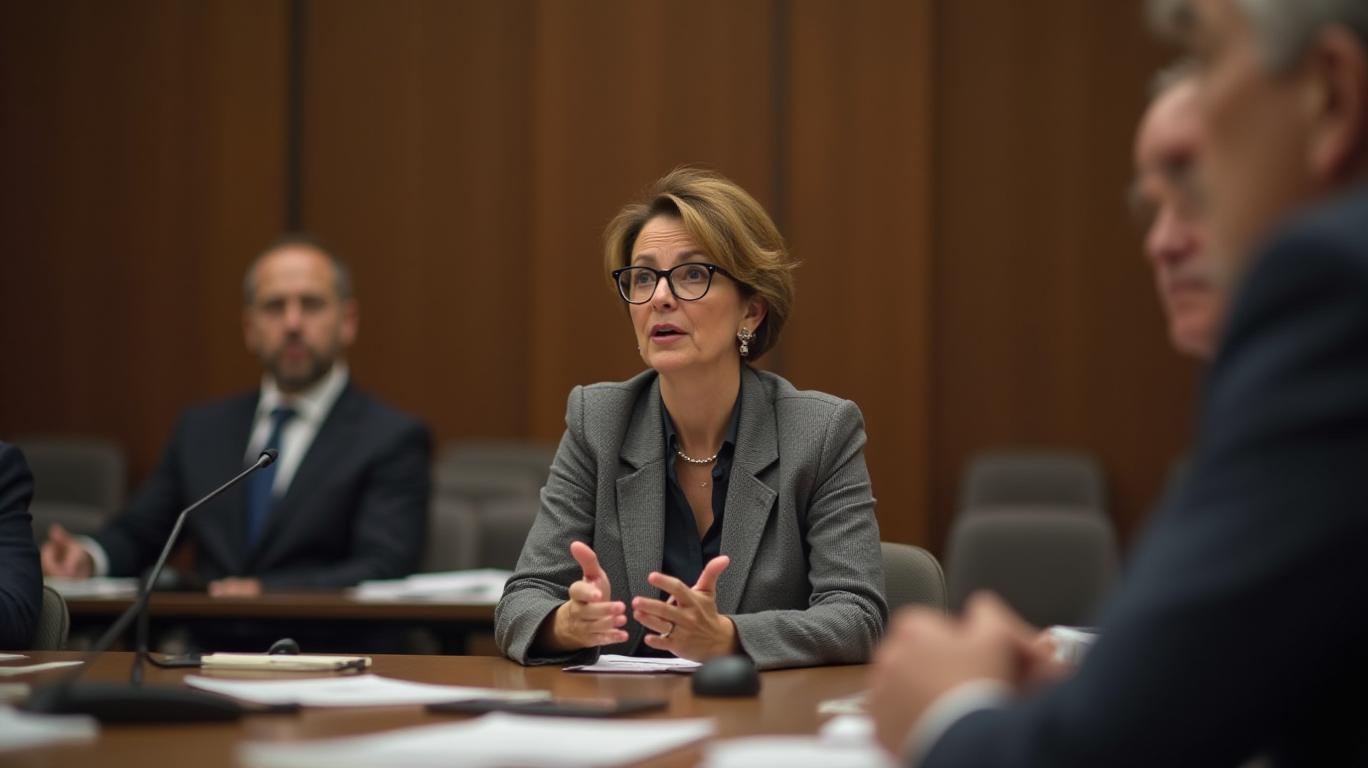
Hoffmann's appointment comes as Lula faces pressure from various political actors, including lawyer Antônio Carlos deDE-- Almeida Castro, known as Kakay, who criticized Lula's management in his third term. The reshuffle also coincides with a decline in Lula's approval ratings, with 41% of voters now considering his government bad or terrible, up from 34% in December 2022.
The cabinet shuffle has strengthened a circle of aides around Lula who oppose Haddad's agenda for what they see as an excessive focus on fiscal austerity. This growing hostility toward Haddad within the government has raised concerns about the sustainability of his policy agenda. However, Haddad has maintained that he will continue to pursue his moderate fiscal approach, despite the challenges.

Investors have been watching Lula's cabinet reshuffle closely, as it could have significant implications for the economy and social policies. A perceived shift towards populism or increased government spending could lead to concerns about Brazil's fiscal sustainability and economic stability, potentially driving away foreign investment. However, if Lula can maintain a clear direction for the economy and communicate effectively with investors, he may be able to maintain confidence in his administration.
In conclusion, Lula's cabinet reshuffle has raised concerns about a potential sharp left turn in his administration, as his approval ratings decline and he faces pressure from various political actors. The appointment of Gleisi Hoffmann as Institutional Relations Minister has fueled fears of a populist pivot, despite Finance Minister Fernando Haddad's moderate fiscal approach. Investors will be watching the situation closely, as the cabinet reshuffle could have significant implications for the economy and social policies.
DE--
NIO--
As Brazilian President Luiz Inácio Lula da Silva's (Lula) approval ratings decline, his cabinet reshuffle has raised concerns about a potential sharp left turn in his administration. The appointment of Gleisi Hoffmann, a staunch advocate of state-driven economic stimulus, as the new Institutional Relations Minister has fueled fears of a populist pivot, despite Finance Minister Fernando Haddad's moderate fiscal approach.
Hoffmann's appointment comes as Lula faces pressure from various political actors, including lawyer Antônio Carlos deDE-- Almeida Castro, known as Kakay, who criticized Lula's management in his third term. The reshuffle also coincides with a decline in Lula's approval ratings, with 41% of voters now considering his government bad or terrible, up from 34% in December 2022.
The cabinet shuffle has strengthened a circle of aides around Lula who oppose Haddad's agenda for what they see as an excessive focus on fiscal austerity. This growing hostility toward Haddad within the government has raised concerns about the sustainability of his policy agenda. However, Haddad has maintained that he will continue to pursue his moderate fiscal approach, despite the challenges.
Investors have been watching Lula's cabinet reshuffle closely, as it could have significant implications for the economy and social policies. A perceived shift towards populism or increased government spending could lead to concerns about Brazil's fiscal sustainability and economic stability, potentially driving away foreign investment. However, if Lula can maintain a clear direction for the economy and communicate effectively with investors, he may be able to maintain confidence in his administration.
In conclusion, Lula's cabinet reshuffle has raised concerns about a potential sharp left turn in his administration, as his approval ratings decline and he faces pressure from various political actors. The appointment of Gleisi Hoffmann as Institutional Relations Minister has fueled fears of a populist pivot, despite Finance Minister Fernando Haddad's moderate fiscal approach. Investors will be watching the situation closely, as the cabinet reshuffle could have significant implications for the economy and social policies.

Divulgación editorial y transparencia de la IA: Ainvest News utiliza tecnología avanzada de Modelos de Lenguaje Largo (LLM) para sintetizar y analizar datos de mercado en tiempo real. Para garantizar los más altos estándares de integridad, cada artículo se somete a un riguroso proceso de verificación con participación humana.
Mientras la IA asiste en el procesamiento de datos y la redacción inicial, un miembro editorial profesional de Ainvest revisa, verifica y aprueba de forma independiente todo el contenido para garantizar su precisión y cumplimiento con los estándares editoriales de Ainvest Fintech Inc. Esta supervisión humana está diseñada para mitigar las alucinaciones de la IA y garantizar el contexto financiero.
Advertencia sobre inversiones: Este contenido se proporciona únicamente con fines informativos y no constituye asesoramiento profesional de inversión, legal o financiero. Los mercados conllevan riesgos inherentes. Se recomienda a los usuarios que realicen una investigación independiente o consulten a un asesor financiero certificado antes de tomar cualquier decisión. Ainvest Fintech Inc. se exime de toda responsabilidad por las acciones tomadas con base en esta información. ¿Encontró un error? Reportar un problema




Comentarios
Aún no hay comentarios