
Lufthansa's Strategic Reorganization: Decarbonization as a Catalyst for Operational Efficiency and Shareholder Value
In the post-pandemic aviation sector, airlines face a dual imperative: to restore profitability while addressing escalating environmental scrutiny. Lufthansa Group's recent corporate reorganization, though not explicitly centered on traditional cost-cutting or fleet adjustments, has pivoted toward a forward-looking strategy—decarbonization through strategic partnerships in carbon removal technologies. This approach aligns with broader industry trends and positions the airline to navigate regulatory, economic, and reputational risks in a climate-conscious era.
Strategic Reorganization: Beyond Cost-Cutting to Sustainability
While conventional reorganization efforts often emphasize labor negotiations, route rationalization, or fleet modernization, Lufthansa has chosen a different path. The airline has prioritized decarbonization, recognizing that the aviation sector's long-term viability hinges on its ability to mitigate climate impacts. A key component of this strategy is Lufthansa's partnership with Climeworks, a leader in Direct Air Capture (DAC) technology, to create a scalable pathway for carbon removal [2]. This move reflects a shift from short-term operational fixes to long-term value creation, addressing both regulatory pressures and consumer demand for sustainable travel.
The aviation industry's carbon footprint remains a critical vulnerability, with carbon pricing mechanisms increasingly influencing demand for intercontinental travel [1]. By investing in DAC, Lufthansa is not only future-proofing its operations but also signaling to stakeholders its commitment to aligning with global net-zero targets. This strategic pivot underscores a broader trend: airlines are redefining efficiency not just in terms of cost per seat mile but also in terms of carbon emissions per passenger kilometer.
Operational Efficiency in a Climate-Conscious Era
Operational efficiency traditionally revolves around optimizing fuel consumption, labor costs, and asset utilization. However, Lufthansa's reorganization highlights an emerging dimension: integrating sustainability into core operations. The Climeworks partnership, for instance, allows Lufthansa to offset residual emissions from its fleet while fostering innovation in carbon capture. This dual benefit—reducing environmental impact and enhancing brand equity—creates a competitive advantage in a sector where ESG (Environmental, Social, Governance) metrics increasingly dictate investor sentiment.
Moreover, the DAC market's evolution from speculative hype to commercial maturity (2023–2025) [2] suggests that Lufthansa's early adoption of this technology could yield cost efficiencies as the market scales. While DAC remains expensive today, economies of scale and technological advancements are expected to drive down costs, potentially transforming carbon removal from a liability into a strategic asset.
Shareholder Value: Balancing Short-Term Pressures and Long-Term Gains
Critics may argue that Lufthansa's focus on decarbonization diverts attention from immediate profitability challenges, such as rising fuel prices and labor costs. However, the airline's approach reflects a nuanced understanding of shareholder value. By aligning with global decarbonization trends, Lufthansa mitigates the risk of stranded assets—such as older, less efficient aircraft—as regulators impose stricter emissions standards. Furthermore, the airline's sustainability initiatives enhance its appeal to impact investors, a growing segment of the capital markets.
The financial implications of this strategy are already materializing. For example, Lufthansa's partnerships with Climeworks and other industry players (e.g., SWISS, Air Canada) [2] position it as a leader in a sector where carbon-neutral claims are becoming a differentiator. This leadership could translate into premium pricing for sustainable travel options, a trend observed in other industries where consumers are willing to pay for eco-friendly credentials.
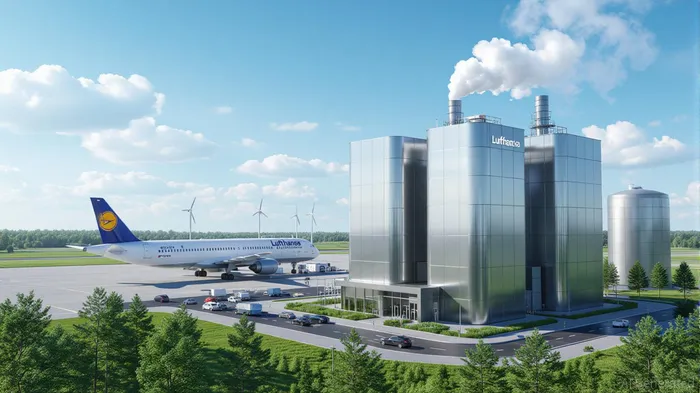
Visualizing the Path Forward
Conclusion
Lufthansa's reorganization exemplifies a paradigm shift in the aviation sector: from reactive cost management to proactive sustainability-driven strategy. By embedding decarbonization into its corporate DNA, the airline is not only addressing immediate operational challenges but also securing its relevance in a post-pandemic world where environmental accountability is non-negotiable. For investors, this approach signals a commitment to long-term value creation—a critical factor in an industry still grappling with the aftershocks of the global health crisis.







Comentarios
Aún no hay comentarios