
Lucid Motors: Following Rivian's Lead in the EV Market?
Generado por agente de IAEli Grant
sábado, 21 de diciembre de 2024, 6:18 pm ET2 min de lectura
LCID--
Lucid Motors and Rivian Automotive, both electric vehicle (EV) startups, have made significant strides in the burgeoning EV market. While each company has its unique focus and strategy, Lucid Motors appears to be taking a page out of Rivian's playbook in certain aspects of its business model and market positioning. This article explores the similarities and differences between the two companies, highlighting how Lucid Motors is learning from Rivian's success.
Lucid Motors and Rivian Automotive both operate in the electric vehicle market, but their target segments and strategies differ significantly. Lucid focuses on luxury EVs, aiming to compete with established automakers like Tesla and Mercedes-Benz. Rivian, on the other hand, targets adventure and utility-oriented EVs, catering to outdoor enthusiasts and active lifestyles. Lucid's Air model, for instance, emphasizes premium materials, advanced technology, and high performance, while Rivian's R1T truck and R1S SUV prioritize off-road capabilities, rugged design, and versatility. This differentiation allows both companies to tap into distinct market segments, reducing direct competition and expanding the overall EV market.
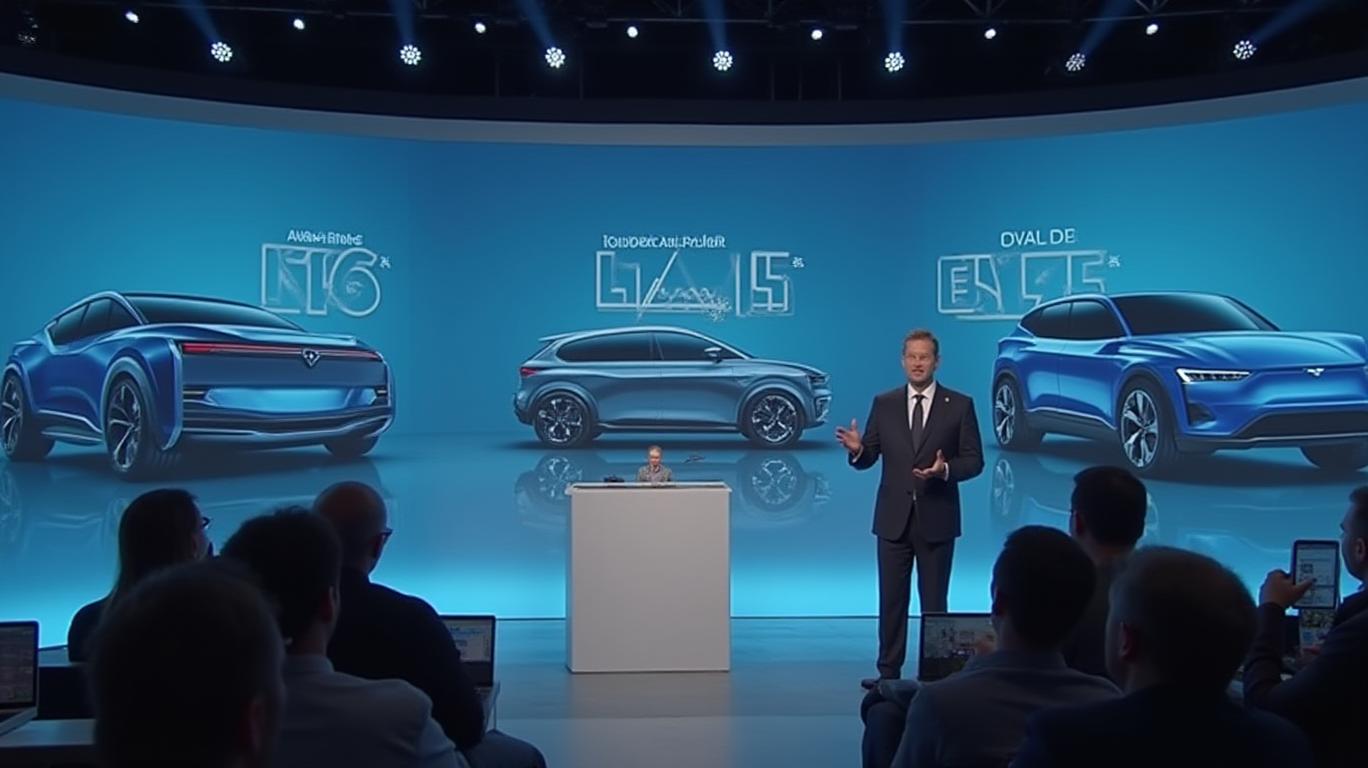
Lucid Motors and Rivian, both electric vehicle (EV) startups, have adopted strategic partnerships to bolster their market positioning and growth. Lucid, like Rivian, has partnered with battery suppliers like LG Chem and Samsung SDI to secure advanced battery technology. Additionally, Lucid has collaborated with ChargePoint for charging infrastructure, mirroring Rivian's partnership with Amazon for charging stations. These collaborations enable both companies to leverage established networks and resources, accelerating their EV rollouts and enhancing customer experience. By learning from Rivian's playbook, Lucid is positioning itself to capture a significant share of the growing EV market.
Lucid Motors' battery technology, called the "PurStream," is designed to be more efficient and lighter than traditional batteries. The company claims that its batteries have an energy density of 160 Wh/kg, which is higher than Rivian's 135 Wh/kg. This means that Lucid's batteries can store more energy in the same volume, potentially leading to longer ranges. Lucid's Air Dream Edition Range, for example, is estimated to have a range of 520 miles, compared to Rivian's R1T's 400+ miles. However, Rivian's batteries are known for their fast-charging capabilities, with R1T able to charge from 0 to 80% in just 20 minutes. Lucid's charging speeds are not yet clear, but the company has stated that its batteries will support fast-charging capabilities.
In conclusion, Lucid Motors and Rivian Automotive, both electric vehicle startups, have adopted similar strategies to bolster their market positioning and growth. Lucid Motors appears to be taking a page out of Rivian's playbook by partnering with battery suppliers and charging infrastructure providers. However, Lucid's battery technology and focus on luxury EVs set it apart from Rivian. As both companies continue to innovate and expand their offerings, the EV market is poised for significant growth and competition.
RIVN--
Lucid Motors and Rivian Automotive, both electric vehicle (EV) startups, have made significant strides in the burgeoning EV market. While each company has its unique focus and strategy, Lucid Motors appears to be taking a page out of Rivian's playbook in certain aspects of its business model and market positioning. This article explores the similarities and differences between the two companies, highlighting how Lucid Motors is learning from Rivian's success.
Lucid Motors and Rivian Automotive both operate in the electric vehicle market, but their target segments and strategies differ significantly. Lucid focuses on luxury EVs, aiming to compete with established automakers like Tesla and Mercedes-Benz. Rivian, on the other hand, targets adventure and utility-oriented EVs, catering to outdoor enthusiasts and active lifestyles. Lucid's Air model, for instance, emphasizes premium materials, advanced technology, and high performance, while Rivian's R1T truck and R1S SUV prioritize off-road capabilities, rugged design, and versatility. This differentiation allows both companies to tap into distinct market segments, reducing direct competition and expanding the overall EV market.
Lucid Motors and Rivian, both electric vehicle (EV) startups, have adopted strategic partnerships to bolster their market positioning and growth. Lucid, like Rivian, has partnered with battery suppliers like LG Chem and Samsung SDI to secure advanced battery technology. Additionally, Lucid has collaborated with ChargePoint for charging infrastructure, mirroring Rivian's partnership with Amazon for charging stations. These collaborations enable both companies to leverage established networks and resources, accelerating their EV rollouts and enhancing customer experience. By learning from Rivian's playbook, Lucid is positioning itself to capture a significant share of the growing EV market.
Lucid Motors' battery technology, called the "PurStream," is designed to be more efficient and lighter than traditional batteries. The company claims that its batteries have an energy density of 160 Wh/kg, which is higher than Rivian's 135 Wh/kg. This means that Lucid's batteries can store more energy in the same volume, potentially leading to longer ranges. Lucid's Air Dream Edition Range, for example, is estimated to have a range of 520 miles, compared to Rivian's R1T's 400+ miles. However, Rivian's batteries are known for their fast-charging capabilities, with R1T able to charge from 0 to 80% in just 20 minutes. Lucid's charging speeds are not yet clear, but the company has stated that its batteries will support fast-charging capabilities.
In conclusion, Lucid Motors and Rivian Automotive, both electric vehicle startups, have adopted similar strategies to bolster their market positioning and growth. Lucid Motors appears to be taking a page out of Rivian's playbook by partnering with battery suppliers and charging infrastructure providers. However, Lucid's battery technology and focus on luxury EVs set it apart from Rivian. As both companies continue to innovate and expand their offerings, the EV market is poised for significant growth and competition.

Divulgación editorial y transparencia de la IA: Ainvest News utiliza tecnología avanzada de Modelos de Lenguaje Largo (LLM) para sintetizar y analizar datos de mercado en tiempo real. Para garantizar los más altos estándares de integridad, cada artículo se somete a un riguroso proceso de verificación con participación humana.
Mientras la IA asiste en el procesamiento de datos y la redacción inicial, un miembro editorial profesional de Ainvest revisa, verifica y aprueba de forma independiente todo el contenido para garantizar su precisión y cumplimiento con los estándares editoriales de Ainvest Fintech Inc. Esta supervisión humana está diseñada para mitigar las alucinaciones de la IA y garantizar el contexto financiero.
Advertencia sobre inversiones: Este contenido se proporciona únicamente con fines informativos y no constituye asesoramiento profesional de inversión, legal o financiero. Los mercados conllevan riesgos inherentes. Se recomienda a los usuarios que realicen una investigación independiente o consulten a un asesor financiero certificado antes de tomar cualquier decisión. Ainvest Fintech Inc. se exime de toda responsabilidad por las acciones tomadas con base en esta información. ¿Encontró un error? Reportar un problema


SOBRE NOSOTROS
Nuestra historiaAutores de noticiasBase de conocimientosPolítica de privacidadTérmino de usoDescargo de responsabilidad de corretaje de tercerosTérminos de uso de AIMEDivulgaciones de riesgos de AInvest AICarrerasCONTÁCTENOS
Email: support@ainvest.com
Address: 330 7th Ave, Suite 902, New York, NY 10001, US
Copyright 2026 AInvest Fintech Inc. All rights reserved.


Comentarios
Aún no hay comentarios