
LTKM Berhad's Rising ROCE and Its Implications for Sustainable Growth
Operational Efficiency: A Tale of Margins and Costs
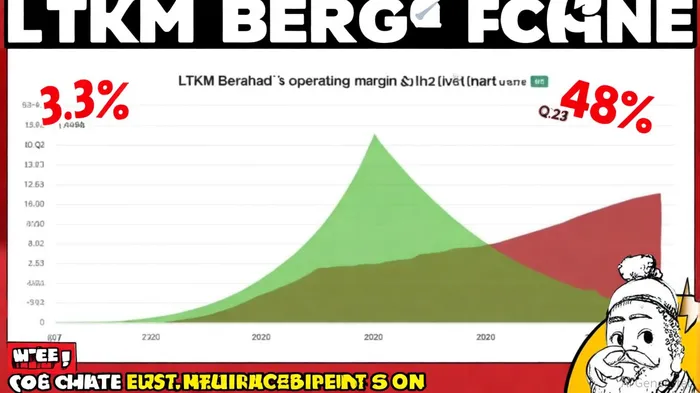
LTKM's operational efficiency has shown dramatic improvement in 2024. The company's operating margin surged to 48% in Q3 2024, a stark contrast to the 3.3% recorded in the same period in 2023, according to Simply Wall St. This leap is attributed to aggressive cost-cutting measures, which have significantly reduced expenses. Such a margin expansion is a positive indicator for investors, as it suggests the company is leveraging its cost structure to enhance profitability.
However, operational efficiency is not solely about margins. Asset turnover ratios-a critical component of ROCE-remain undisclosed in recent reports. Without visibility into how effectively LTKM is utilizing its assets to generate revenue, it is challenging to assess whether the improved margins are translating into broader operational gains. This gap in data highlights a need for deeper scrutiny of the company's balance sheet and asset management practices.
Capital Deployment: Conservative Reinvestment and Stagnant Growth
While LTKM's operational efficiency has improved, its capital deployment strategy appears to be a double-edged sword. Over the past five years, the company has seen a 14% decline in net income, according to a Yahoo Finance analysis, despite retaining all profits and forgoing dividend distributions. This suggests that the capital retained is not being reinvested into high-return projects or expansion initiatives.
Data from June 2024 further reinforces this narrative: the Yahoo Finance report notes LTKM's ROCE has remained stable at 11%, with no significant increases in capital expenditure (CAPEX) to fuel growth. A conservative approach to CAPEX may protect short-term profitability but risks ceding market share to more aggressive competitors. For instance, the Food industry's average ROCE of 8.7%, per the report, indicates that LTKM's marginally better performance is not translating into a meaningful competitive advantage.
Implications for Sustainable Growth
The interplay between LTKM's rising ROCE and its capital deployment strategy raises critical questions about its long-term sustainability. On one hand, the company's improved operating margin and cost discipline are commendable. On the other, the lack of reinvestment into growth opportunities-evidenced by stagnant CAPEX and a 14% decline in net income over five years, as noted above-suggests a reluctance to capitalize on its profitability.
For investors, this presents a paradox: LTKM's current operational efficiency is a strength, but its capital allocation practices may undermine compounding returns. The company's ROE of 8.6%, while above the industry average reported earlier, does not offset the earnings contraction observed in recent years. A mature business model may appeal to risk-averse investors, but those seeking growth must weigh whether LTKM's conservative strategy aligns with their long-term objectives.
Conclusion
LTKM Berhad's rising ROCE is a testament to its operational discipline, particularly in cost management. Yet, the absence of aggressive reinvestment and the lack of CAPEX growth signal a cautious approach to capital deployment. For sustainable growth, the company must balance its current efficiency gains with strategic investments that unlock higher returns. Until then, LTKM's 18% shareholder return over five years, as noted above, will likely remain a reflection of its mature, low-growth trajectory.







Comentarios
Aún no hay comentarios