
The Los Angeles Power Outage: Implications for Grid Resilience and Energy Infrastructure Investment
A Global Case Study in Grid Vulnerability
According to a Bloomberg report, Russia's November 2025 barrage on Ukraine's energy sector-targeting substations, nuclear facilities, and residential areas-resulted in widespread blackouts and disrupted essential services like heating and water supply. Ukrainian President 's condemnation of the attacks and calls for stronger Western sanctions highlight the political and economic stakes of energy security, as reported by RFE/RL. Meanwhile, the deliberate targeting of nuclear-linked infrastructure raised alarms about cascading failures, a risk that resonates globally as extreme weather events and aging systems strain grids worldwide.
These events mirror the challenges faced by cities like Los Angeles, where the Department of Water and Power (LADWP) has long contended with heatwaves, wildfires, . While specific details about recent LADWP outages in 2025 remain elusive, the broader context of climate-driven disruptions and underinvestment paints a troubling picture.
The Cost of Inaction and the Case for Modernization
The economic and social costs of grid failures are staggering. In Ukraine, the Bloomberg report estimates that power outages disrupted industries, strained healthcare systems, and displaced thousands reliant on heating during winter. For Los Angeles, a hub of economic activity and innovation, similar disruptions could cripple commerce, exacerbate inequality, and undermine public trust.
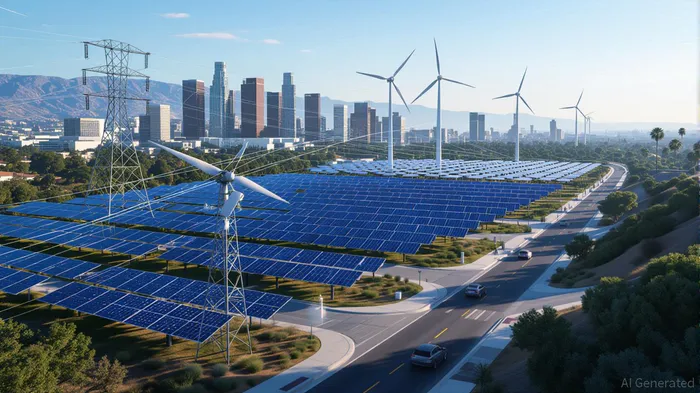
Investing in grid resilience is no longer optional-it is a necessity. Modernization efforts must prioritize decentralized energy systems, advanced storage solutions, and AI-driven predictive maintenance. According to the U.S. , . Yet, LADWP's budget allocations for infrastructure upgrades remain modest compared to the scale of the challenge.
Regulatory Shifts and Investment Opportunities
Regulatory frameworks are beginning to reflect this urgency. California's recent mandate for utilities to integrate 60% renewable energy by 2030, coupled with federal incentives under the , signals a pivot toward resilience-focused spending. For investors, this creates opportunities in clean-tech startups, grid modernization contractors, and energy storage firms.
However, risks persist. Overreliance on unproven technologies or insufficient public-private collaboration could delay progress. Moreover, climate models predict a 30% increase in extreme weather events by 2040, heightening the stakes for timely action.
Conclusion: A Call for Proactive Stewardship
The Ukraine crisis is a wake-up call. For Los Angeles, the path forward requires not only capital but also visionary leadership to balance short-term reliability with long-term sustainability. As global energy systems face mounting pressures, cities that prioritize resilience will emerge as economic beacons-while those that lag risk becoming cautionary tales.
Investors, policymakers, and utilities must act in concert. The grid of the future is not just a network of wires and transformers; it is the backbone of societal stability and economic growth.







Comentarios
Aún no hay comentarios