
Los Angeles’ AA- Downgrade: A Wake-Up Call for Fiscal Prudence?
The credit rating agency S&P Global Ratings has delivered a stark warning to Los Angeles, downgrading its municipal bonds to AA- in April 2025—the first time the city has slipped below AA since 2009. The move underscores deepening fiscal vulnerabilities, from spiraling pension obligations to dwindling budget reserves. For investors, this downgrade raises critical questions: How sustainable is LA’s financial model? And what does this mean for municipal debt markets?
The Immediate Catalyst: Budgetary Tightropes
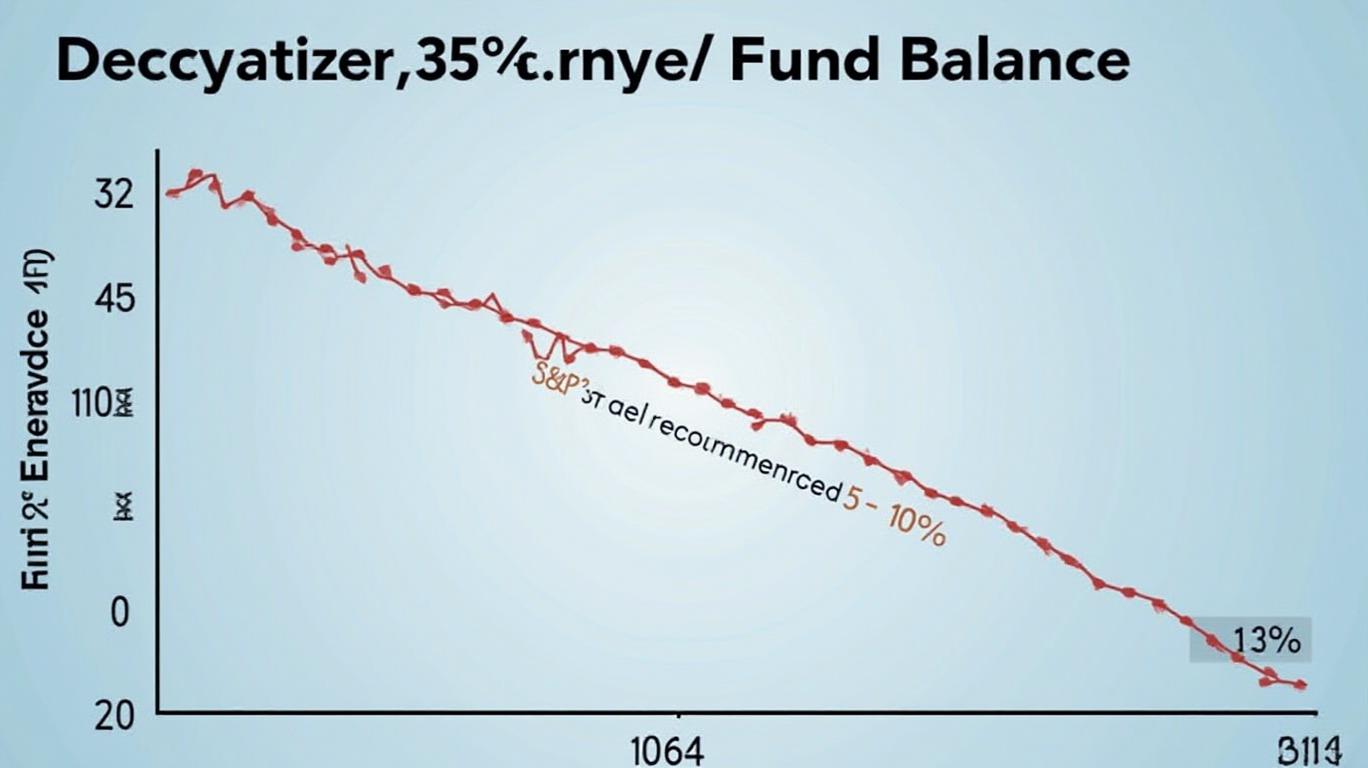
S&P’s decision hinges on LA’s deteriorating fiscal flexibility. The city’s general fund balance plummeted to 4.2% of expenditures in FY2024, below the 5-10% threshold S&P deems necessary for stability. This decline is compounded by a 15% annual rise in pension obligations over three years, which now consume an unsustainable share of the budget. Meanwhile, state-level amendments to California’s Proposition 30—reducing LA’s sales tax revenue by $250 million annually starting in 2025—have further squeezed revenues.
The Elephant in the Room: Pension and Healthcare Liabilities
LA’s long-term fiscal health is overshadowed by unfunded liabilities. Retiree healthcare obligations alone total $6 billion as of FY2024, while pensions remain underfunded despite recent contributions. These liabilities are exacerbated by rising operational costs—public safety and infrastructure maintenance now account for 68% of the city’s budget, leaving little room for maneuver.
The proposed FY2025 budget, which includes a 9% general fund spending increase and $1.2 billion in infrastructure bonds, has done little to reassure S&P. The agency criticized the lack of concrete plans to stabilize pensions or diversify revenue streams beyond property taxes, which currently provide 68% of LA’s income. A single economic shock—a recession or property market slump—could trigger a fiscal freefall.
The Broader Context: A National Fiscal Crossroads
LA’s downgrade is not an isolated event. S&P’s broader warnings about U.S. federal debt ($36 trillion, 100% of GDP) and political dysfunction create a toxic backdrop. The city’s struggles mirror a national trend: states and municipalities are increasingly collateral damage in a system rife with accounting gimmicks like the “current policy baseline,” which obscures deficit growth.
Investors are already pricing in risk. LA’s borrowing costs have risen by 40 basis points since early 2024, reflecting market skepticism about its ability to stabilize reserves. If the city’s outlook slips further—a distinct possibility given its “negative” rating outlook—the costs could spike even higher.
What’s Next for Investors?
For bondholders, the downgrade elevates credit risk but also creates opportunities. LA’s bonds may now offer higher yields than similarly rated securities, though their long-term viability hinges on structural reforms. S&P’s conditions are clear: the city must rebuild reserves, push for state-level pension reforms, and diversify revenue beyond property taxes.
However, political gridlock complicates these goals. LA’s mayor has proposed a 0.5% sales tax increase, but approval requires voter consent—a fraught process in a city where trust in governance is waning. Without decisive action, a full downgrade to A+ could follow within 18–24 months, further straining budgets.
Conclusion: A Crossroads for Fiscal Prudence
S&P’s downgrade is a wake-up call. LA’s financial model is unsustainable without profound changes. With $6 billion in unfunded retiree healthcare and pensions devouring budgets, the city must confront its liabilities head-on. Investors, meanwhile, face a dilemma: LA’s bonds now offer higher yields but greater risk.
The data is clear: cities reliant on volatile revenue streams (like property taxes) and underfunded pensions will face rising borrowing costs as fiscal discipline becomes a market imperative. For LA, this downgrade is not just a rating—it’s a verdict on decades of fiscal complacency. The question now is whether the city can pivot toward sustainability before markets lose faith entirely.







Comentarios
Aún no hay comentarios