
The Looming Risks in Crypto Presales: Red Flags and Mitigation Strategies for 2026
The crypto presale market in 2026 is a double-edged sword: it offers unprecedented access to early-stage projects but is riddled with systemic risks that can erode investor capital. As the sector matures, so do the tactics of bad actors, who exploit gaps in due diligence and technical naivety. This article dissects the most critical redRED-- flags-unverified contracts, liquidity risks, and misleading tokenomics-and provides actionable strategies to mitigate them, supported by real-world case studies and on-chain verification techniques.
Red Flag 1: Unverified or Upgradeable Contracts
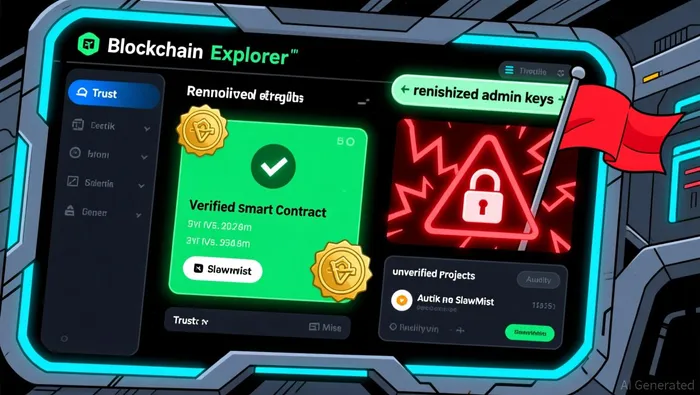
A foundational risk in 2026 presales lies in the lack of contract transparency. Unverified or upgradeable smart contracts grant insiders unchecked control, enabling them to mint tokens, alter fees, or manipulate liquidity post-launch. For instance, a 2026 report by Chainalysis highlighted how 32% of failed presales involved contracts with hidden admin functions. Investors must verify contracts on block explorers and ensure admin privileges are either renounced or audited by reputable firms.
Mitigation Strategy: Use tools like Etherscan or Solscan to confirm contract verification. Cross-check audit reports from firms like CertiK or SlowMist. Avoid projects where admin keys remain active post-launch.
Red Flag 2: Liquidity Risks and Rug Pulls
Liquidity risks remain a top concern, particularly when liquidity pools are falsely "locked" or controlled by teams. A 2026 study by CoinLaunch noted that 45% of rug pulls occurred in projects where liquidity was not genuinely locked. For example, the 2025 collapse of the Maxi Doge tokenDOGE-- saw developers drain liquidity after a social media-driven hype cycle.
Mitigation Strategy: Verify liquidity locks using timelock tools like Timelock Checker or third-party lockers such as Unilock. Ensure liquidity is either burned or locked with non-revocable mechanisms.
Red Flag 3: Misleading Tokenomics
Tokenomics can be engineered to facilitate dumping. High insider allocations (often exceeding 30% of total supply) and short vesting periods create artificial sell pressure. A 2026 analysis by MEXC revealed that projects with untransparent vesting schedules saw a 60% higher likelihood of price collapse within six months. The SolanaSOL-- AVA AI token, which crashed 96% after launch, exemplifies this: 40% of its supply was controlled by "insider" wallets that sniped the token post-launch.
Mitigation Strategy: Scrutinize whitepapers for vesting schedules and unlock timelines. Prioritize projects with long-term incentives for teams and gradual token unlocks.
Case Study: The BTC-ETH Strategy ETF Liquidation
While not a presale, the 2025 liquidation of the BTC-ETH Strategy ETF (ARKY, ARKC) underscores broader market risks. With insufficient assets under management, the fund was forced to liquidate, highlighting the importance of evaluating a project's financial viability. This mirrors presale risks where projects fail to attract sustainable demand.
On-Chain Verification: A Must-Have Tool
On-chain analytics are critical for due diligence. Tools like Best Wallet and BubblemapsBMT-- allow investors to track wallet activity, detect insider clusters, and verify liquidity locks. For instance, the AVA AI crash was flagged by on-chain analysts who identified coordinated wallet behavior.
Actionable Steps for Investors:
1. Audit Verification: Confirm audits from reputable firms.
2.  Wallet Analysis: Use blockchain explorers to trace token distribution.
3. Liquidity Checks: Ensure liquidity is locked or burned.
4. Tokenomics Scrutiny: Demand transparent vesting schedules.
Conclusion
The 2026 presale landscape demands a disciplined approach. While the allure of high returns is strong, the risks of unverified contracts, liquidity traps, and tokenomics manipulation are equally severe. By leveraging on-chain verification and rigorous due diligence, investors can navigate this volatile space with greater confidence. As the market evolves, so must the tools and strategies to protect capital.







Comentarios
Aún no hay comentarios