
The Looming January Volatility in Crypto: Liquidity, Leverage, and the Fed's Shadow
The cryptocurrency market has long been a theater of extremes, but January volatility-shaped by liquidity dynamics, leverage, and Federal Reserve policy-has become a defining feature of its annual rhythm. As 2025 unfolds, the interplay of these forces promises to test even the most seasoned investors. With the Fed's policy pivot, regulatory clarity, and institutional adoption reshaping the landscape, understanding how to navigate January's turbulence is no longer optional-it is imperative.
The Fed's Shadow: Policy Shifts and Market Sentiment
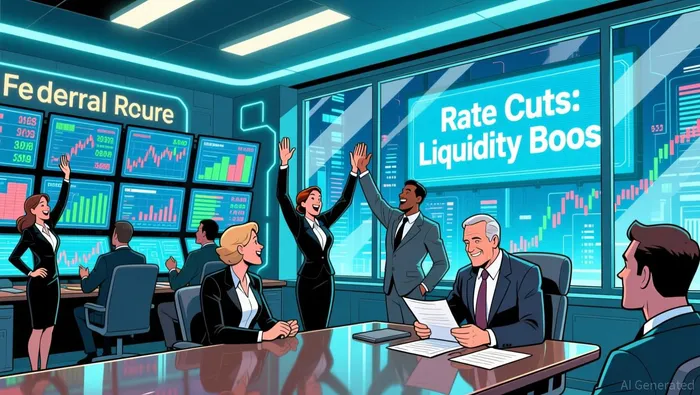
The Federal Reserve's actions in 2024 and early 2025 have cast a long shadow over crypto markets. After a 11-rate-hike tightening cycle, the Fed embarked on a rapid easing path, cutting rates six times between September 2024 and April 2025. According to market analysis, prices bottomed as rates peaked and climbed as liquidity returned. However, the Fed's pause in rate cuts by mid-2025-prompted by concerns over Trump-era tariffs and inflationary pressures-has reintroduced uncertainty. Empirical analysis shows that cryptocurrencies react positively to long-term monetary easing, but stablecoins like TetherUSDT-- face headwinds under such conditions. For investors, this duality underscores the need to hedge against divergent outcomes.
Liquidity: A Double-Edged Sword
Liquidity in crypto markets remains a fragile asset. While trading volumes surged during the 2020 pandemic panic, the 2025 liquidity crisis exposed systemic vulnerabilities. According to Alaric Securities, thin order books, fragmented infrastructure, and concentrated ownership created a self-reinforcing cycle of selling during October 2025's liquidation cascade. Prediction markets for Bitcoin's all-time-high events, however, tell a different story: median trade sizes of $5,000 ETH-equivalent and slippage below 0.3% suggest robust institutional engagement. This duality-between retail-driven fragility and institutional-grade liquidity-demands a nuanced approach to risk management.
Leverage: Amplifier of Gains and Losses
Leverage has always been a hallmark of crypto trading, but its risks have magnified with the sector's integration into traditional finance. The 2025 market saw over-leveraged positions collapse during regulatory shifts and cyberattacks, triggering cascading liquidations. Bitcoin's volatility, though reduced from 200% in 2012 to 50% in 2025, still dwarfs that of equities or gold. For investors, this means leverage must be wielded with caution. Strategies that avoid overexposure during high-volatility periods-such as dynamic position sizing or stop-loss orders-are critical.
Strategic Entry Timing: Lessons from 2025
The January 2025 market surge, driven by BitcoinBTC-- ETF approvals and Trump-era policies, highlights the importance of timing. Institutional adoption altered price trends, but many retail investors relied on untested technical strategies, leading to overfitting and poor performance. A study introduced the Rolling Strategy–Hold Ratio (RSHR), a rolling-window approach to backtesting that mitigates recency bias and improves strategy viability. For 2026, investors should prioritize strategies that account for regulatory shifts and macroeconomic signals, such as Fed rate expectations or inflation data.






Comentarios
Aún no hay comentarios