
The Looming Impact of Macroeconomic and Political Uncertainty on Home Depot's Profitability
Consumer Behavior: From Discretionary to Essential
Recent data underscores a stark shift in consumer behavior within the home improvement sector. According to a report by Hardwared Retailing, consumers are increasingly prioritizing "need-based" projects over discretionary upgrades, with a 3.2% rise in purchases driven by the need to repair broken or failing items. Routine maintenance, remodeling, and redecorating have all declined, reflecting a focus on affordability amid inflation and high borrowing costs.
This trend aligns with broader U.S. inflation patterns, where consumers across income levels have become hyper-price-sensitive. Value-oriented retailers such as Walmart, Costco, and TJX have gained traction by offering affordability without compromising quality according to recent analysis. However, the home improvement sector presents a unique dynamic: while consumers are cutting back on discretionary spending, they remain committed to essential repairs. This has created a niche for American-made products, with 5% of consumers already purchasing such items and 11% considering increased spending.
Home Depot's Financial Struggles and Strategic Shifts
Home Depot's recent financial performance reflects the sector's broader challenges. On November 18, 2025, the company reported its third consecutive quarterly earnings miss, with adjusted earnings per share (EPS) of $3.74 falling short of analyst estimates. While revenue of $41.4 billion slightly exceeded forecasts, comparable sales growth of just 0.2% signaled waning consumer engagement. CEO Ted Decker attributed these results to a quiet hurricane season, reduced demand for discretionary projects, and ongoing macroeconomic uncertainty.
The company's struggles have reverberated across the retail sector. Competitors like Lowe'sLOW-- saw a 2.9% stock decline following Home Depot's earnings report, highlighting shared vulnerabilities in a cooling housing market. In response, Home Depot has pivoted toward its professional (Pro) customer segment and maintenance and repair services, a move bolstered by the recent acquisition of GMS Inc. This strategic realignment aims to capitalize on sustained demand for smaller, essential projects, even as larger renovations are deferred.
Long-Term Implications: Tariffs, Immigration, and Interest Rates
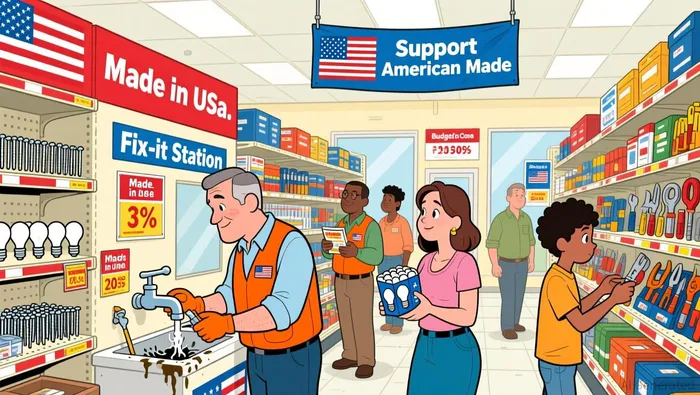
Looking beyond immediate challenges, macroeconomic and political factors will shape the home improvement sector through 2030. Tariffs on construction materials such as steel, copper, and lumber have inflated homebuilding costs by an estimated $10,900 per unit, with layered impacts on gypsum and cabinetry pushing residential construction costs up by 9% since 2024. These policies, while intended to protect domestic industries, risk deepening the housing crisis by making affordable homes scarcer.
Immigration policies further complicate the landscape. The construction industry, which relies heavily on immigrant labor, is experiencing severe staffing shortages. Undocumented workers comprise 13% of the sector, and recent enforcement actions have deterred legal workers from accepting jobs. This labor crunch has forced contractors to raise wages and budget for higher contingency costs, squeezing profit margins across the supply chain.
Meanwhile, the Federal Reserve's cautious approach to interest rates-driven by persistent inflation-limits access to affordable credit for both consumers and businesses. As noted by the National Retail Federation, policy clarity will be critical in determining long-term growth, with deregulation and tax cuts offering potential tailwinds while immigration restrictions and tariffs pose headwinds.
The Path Forward: Resilience and Uncertainty
Despite these challenges, analysts remain cautiously optimistic. The aging U.S. housing stock and eventual easing of interest rates could drive a recovery in home improvement demand by late 2025 or 2026. For now, however, the sector remains highly sensitive to macroeconomic shifts. Home Depot's focus on Pro services and essential repairs may offer some resilience, but its revised guidance-a 5.0% decline in adjusted diluted EPS for 2025 underscores the near-term risks.
Investors must weigh these factors carefully. While Home Depot's strategic agility and market leadership provide a buffer, the broader industry's exposure to tariffs, labor shortages, and interest rate volatility cannot be ignored. The coming years will test the sector's ability to adapt to a landscape where consumer priorities, geopolitical policies, and economic cycles intersect in unpredictable ways.







Comentarios
Aún no hay comentarios