
"Long Island Brush Fires Prompt Emergency Declaration"
Generado por agente de IAHarrison Brooks
sábado, 8 de marzo de 2025, 10:41 pm ET3 min de lectura
GRVY--
The Long Island brush fires, which began on March 8, 2025, have prompted Governor Kathy Hochul to declare a state of emergency in Suffolk County. This declaration underscores the severity of the situation and the urgent need for coordinated response efforts. The fires, fueled by strong winds and dry weather, have led to the deployment of significant resources, including four New York National Guard helicopters performing water drops and a C-130 supporting aerial monitoring. The activation of the State Emergency Operations Center and the Office of Fire Prevention and Control's Fire Operations Center highlights the gravityGRVY-- of the crisis and the need for a comprehensive response.
The emergency declaration is a stark reminder of the increasing frequency and intensity of wildfires, which pose significant risks to communities and the environment. The deployment of drones by the New York State Police for monitoring the spread of fires and assisting with traffic control demonstrates the effectiveness of advanced technology in emergency management. However, it also raises questions about the adequacy of current disaster preparedness and emergency management infrastructure.
The Long Island brush fires serve as a case study in the challenges of disaster response and the need for robust emergency management infrastructure. The activation of the Fire Mobilization and Mutual Aid Plan allowed for the sharing of resources among local fire departments, but the coordination and communication infrastructure must be strengthened to ensure seamless response efforts. The involvement of the New York State Department of Environmental Conservation (DEC) in fire response and prevention efforts underscores the importance of environmental conservation in disaster management.
The emergency declaration and the response efforts highlight the need for investment in disaster preparedness and emergency management infrastructure. The deployment of aerial support and drone technology, the activation of coordination and communication infrastructure, and the sharing of resources among local fire departments are crucial components of an effective response. However, these efforts must be complemented by investments in public safety measures, environmental conservation initiatives, and fire prevention programs to mitigate the risk of future wildfires.
The Long Island brush fires serve as a wake-up call for communities and policymakers to prioritize disaster preparedness and emergency management. The increasing frequency and intensity of wildfires pose significant risks to communities and the environment, and the response efforts must be strengthened to ensure the safety and well-being of residents. The emergency declaration and the response efforts highlight the need for investment in disaster preparedness and emergency management infrastructure, as well as the importance of environmental conservation and fire prevention programs.
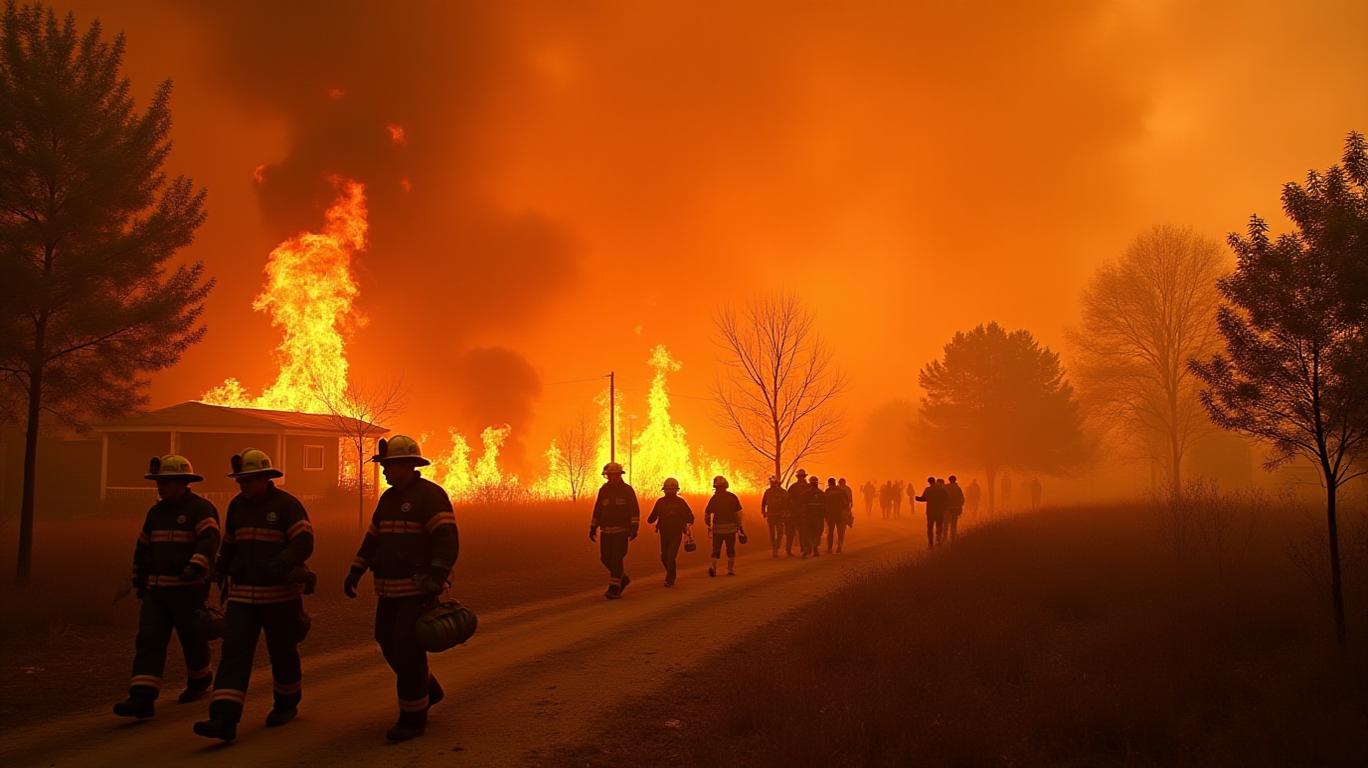
The Long Island brush fires, which began on March 8, 2025, have prompted Governor Kathy Hochul to declare a state of emergency in Suffolk County. This declaration underscores the severity of the situation and the urgent need for coordinated response efforts. The fires, fueled by strong winds and dry weather, have led to the deployment of significant resources, including four New York National Guard helicopters performing water drops and a C-130 supporting aerial monitoring. The activation of the State Emergency Operations Center and the Office of Fire Prevention and Control's Fire Operations Center highlights the gravity of the crisis and the need for a comprehensive response.
The emergency declaration is a stark reminder of the increasing frequency and intensity of wildfires, which pose significant risks to communities and the environment. The deployment of drones by the New York State Police for monitoring the spread of fires and assisting with traffic control demonstrates the effectiveness of advanced technology in emergency management. However, it also raises questions about the adequacy of current disaster preparedness and emergency management infrastructure.
The Long Island brush fires serve as a case study in the challenges of disaster response and the need for robust emergency management infrastructure. The activation of the Fire Mobilization and Mutual Aid Plan allowed for the sharing of resources among local fire departments, but the coordination and communication infrastructure must be strengthened to ensure seamless response efforts. The involvement of the New York State Department of Environmental Conservation (DEC) in fire response and prevention efforts underscores the importance of environmental conservation in disaster management.
The emergency declaration and the response efforts highlight the need for investment in disaster preparedness and emergency management infrastructure. The deployment of aerial support and drone technology, the activation of coordination and communication infrastructure, and the sharing of resources among local fire departments are crucial components of an effective response. However, these efforts must be complemented by investments in public safety measures, environmental conservation initiatives, and fire prevention programs to mitigate the risk of future wildfires.
The Long Island brush fires serve as a wake-up call for communities and policymakers to prioritize disaster preparedness and emergency management. The increasing frequency and intensity of wildfires pose significant risks to communities and the environment, and the response efforts must be strengthened to ensure the safety and well-being of residents. The emergency declaration and the response efforts highlight the need for investment in disaster preparedness and emergency management infrastructure, as well as the importance of environmental conservation and fire prevention programs.
The Long Island brush fires, which began on March 8, 2025, have prompted Governor Kathy Hochul to declare a state of emergency in Suffolk County. This declaration underscores the severity of the situation and the urgent need for coordinated response efforts. The fires, fueled by strong winds and dry weather, have led to the deployment of significant resources, including four New York National Guard helicopters performing water drops and a C-130 supporting aerial monitoring. The activation of the State Emergency Operations Center and the Office of Fire Prevention and Control's Fire Operations Center highlights the gravityGRVY-- of the crisis and the need for a comprehensive response.
The emergency declaration is a stark reminder of the increasing frequency and intensity of wildfires, which pose significant risks to communities and the environment. The deployment of drones by the New York State Police for monitoring the spread of fires and assisting with traffic control demonstrates the effectiveness of advanced technology in emergency management. However, it also raises questions about the adequacy of current disaster preparedness and emergency management infrastructure.
The Long Island brush fires serve as a case study in the challenges of disaster response and the need for robust emergency management infrastructure. The activation of the Fire Mobilization and Mutual Aid Plan allowed for the sharing of resources among local fire departments, but the coordination and communication infrastructure must be strengthened to ensure seamless response efforts. The involvement of the New York State Department of Environmental Conservation (DEC) in fire response and prevention efforts underscores the importance of environmental conservation in disaster management.
The emergency declaration and the response efforts highlight the need for investment in disaster preparedness and emergency management infrastructure. The deployment of aerial support and drone technology, the activation of coordination and communication infrastructure, and the sharing of resources among local fire departments are crucial components of an effective response. However, these efforts must be complemented by investments in public safety measures, environmental conservation initiatives, and fire prevention programs to mitigate the risk of future wildfires.
The Long Island brush fires serve as a wake-up call for communities and policymakers to prioritize disaster preparedness and emergency management. The increasing frequency and intensity of wildfires pose significant risks to communities and the environment, and the response efforts must be strengthened to ensure the safety and well-being of residents. The emergency declaration and the response efforts highlight the need for investment in disaster preparedness and emergency management infrastructure, as well as the importance of environmental conservation and fire prevention programs.
The Long Island brush fires, which began on March 8, 2025, have prompted Governor Kathy Hochul to declare a state of emergency in Suffolk County. This declaration underscores the severity of the situation and the urgent need for coordinated response efforts. The fires, fueled by strong winds and dry weather, have led to the deployment of significant resources, including four New York National Guard helicopters performing water drops and a C-130 supporting aerial monitoring. The activation of the State Emergency Operations Center and the Office of Fire Prevention and Control's Fire Operations Center highlights the gravity of the crisis and the need for a comprehensive response.
The emergency declaration is a stark reminder of the increasing frequency and intensity of wildfires, which pose significant risks to communities and the environment. The deployment of drones by the New York State Police for monitoring the spread of fires and assisting with traffic control demonstrates the effectiveness of advanced technology in emergency management. However, it also raises questions about the adequacy of current disaster preparedness and emergency management infrastructure.
The Long Island brush fires serve as a case study in the challenges of disaster response and the need for robust emergency management infrastructure. The activation of the Fire Mobilization and Mutual Aid Plan allowed for the sharing of resources among local fire departments, but the coordination and communication infrastructure must be strengthened to ensure seamless response efforts. The involvement of the New York State Department of Environmental Conservation (DEC) in fire response and prevention efforts underscores the importance of environmental conservation in disaster management.
The emergency declaration and the response efforts highlight the need for investment in disaster preparedness and emergency management infrastructure. The deployment of aerial support and drone technology, the activation of coordination and communication infrastructure, and the sharing of resources among local fire departments are crucial components of an effective response. However, these efforts must be complemented by investments in public safety measures, environmental conservation initiatives, and fire prevention programs to mitigate the risk of future wildfires.
The Long Island brush fires serve as a wake-up call for communities and policymakers to prioritize disaster preparedness and emergency management. The increasing frequency and intensity of wildfires pose significant risks to communities and the environment, and the response efforts must be strengthened to ensure the safety and well-being of residents. The emergency declaration and the response efforts highlight the need for investment in disaster preparedness and emergency management infrastructure, as well as the importance of environmental conservation and fire prevention programs.

Divulgación editorial y transparencia de la IA: Ainvest News utiliza tecnología avanzada de Modelos de Lenguaje Largo (LLM) para sintetizar y analizar datos de mercado en tiempo real. Para garantizar los más altos estándares de integridad, cada artículo se somete a un riguroso proceso de verificación con participación humana.
Mientras la IA asiste en el procesamiento de datos y la redacción inicial, un miembro editorial profesional de Ainvest revisa, verifica y aprueba de forma independiente todo el contenido para garantizar su precisión y cumplimiento con los estándares editoriales de Ainvest Fintech Inc. Esta supervisión humana está diseñada para mitigar las alucinaciones de la IA y garantizar el contexto financiero.
Advertencia sobre inversiones: Este contenido se proporciona únicamente con fines informativos y no constituye asesoramiento profesional de inversión, legal o financiero. Los mercados conllevan riesgos inherentes. Se recomienda a los usuarios que realicen una investigación independiente o consulten a un asesor financiero certificado antes de tomar cualquier decisión. Ainvest Fintech Inc. se exime de toda responsabilidad por las acciones tomadas con base en esta información. ¿Encontró un error? Reportar un problema




Comentarios
Aún no hay comentarios