
Logistics Groups: Navigating Sino-US Trade Tensions with Staff Relocation
Generado por agente de IAWesley Park
domingo, 12 de enero de 2025, 12:31 am ET1 min de lectura
As the U.S.-China trade conflict intensifies, logistics groups are finding innovative ways to help their clients navigate the complex landscape of tariffs and sanctions. One strategy that has gained traction is the relocation of Chinese staff to countries with more favorable trade relations with the United States. This move allows companies to maintain access to the lucrative U.S. market while circumventing the 25% tariff imposed by the U.S. administrations of Presidents Trump and Biden.
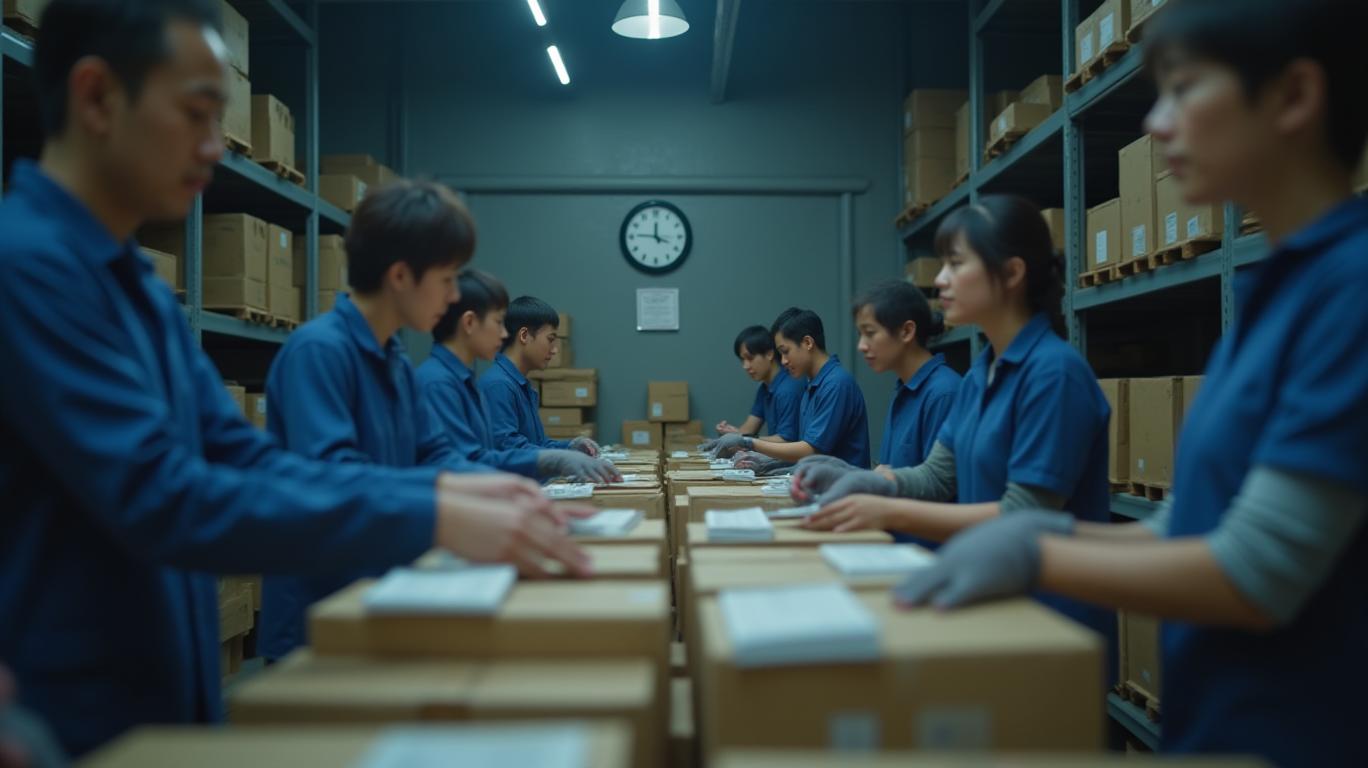
For instance, Chinese bicycle manufacturers have moved their final assembly operations to countries like Taiwan, Vietnam, Malaysia, Cambodia, and India, enabling them to export bicycles to the United States without incurring the tariff (Source: "Chinese companies sidestep U.S. tariffs by relocating production to other countries"). This strategic relocation is part of a broader trend where Chinese companies establish footholds in countries that offer better trade terms with the U.S., helping them maintain their competitive edge in the global market.
Logistics groups employ several strategies to mitigate tariff impacts on their clients. These strategies include diversification of supply chains, optimization of inventory management, tariff engineering, risk management planning, leveraging digital technologies, and engaging with policymakers. By implementing these strategies, logistics groups help their clients adapt to the ever-changing trade environment and maintain their competitiveness in the global market.
However, the relocation of Chinese staff and the subsequent shift in production locations have significantly impacted overall supply chain dynamics. This strategic move by Chinese companies has led to increased competition for U.S. businesses, supply chain adjustments and diversification, cost implications, policy uncertainty, and a focus on innovation and efficiency. These factors have contributed to a more complex and dynamic global supply chain landscape.
In conclusion, logistics groups play a crucial role in helping companies tackle Sino-US trade tensions by relocating Chinese staff and implementing various strategies to mitigate tariff impacts. While these moves have led to increased competition and supply chain adjustments, they have also fostered innovation and efficiency, contributing to a more dynamic global supply chain landscape. As the U.S.-China trade conflict continues to evolve, logistics groups will remain instrumental in helping companies navigate the complex trade environment and maintain their competitiveness in the global market.
Word count: 598



Divulgación editorial y transparencia de la IA: Ainvest News utiliza tecnología avanzada de Modelos de Lenguaje Largo (LLM) para sintetizar y analizar datos de mercado en tiempo real. Para garantizar los más altos estándares de integridad, cada artículo se somete a un riguroso proceso de verificación con participación humana.
Mientras la IA asiste en el procesamiento de datos y la redacción inicial, un miembro editorial profesional de Ainvest revisa, verifica y aprueba de forma independiente todo el contenido para garantizar su precisión y cumplimiento con los estándares editoriales de Ainvest Fintech Inc. Esta supervisión humana está diseñada para mitigar las alucinaciones de la IA y garantizar el contexto financiero.
Advertencia sobre inversiones: Este contenido se proporciona únicamente con fines informativos y no constituye asesoramiento profesional de inversión, legal o financiero. Los mercados conllevan riesgos inherentes. Se recomienda a los usuarios que realicen una investigación independiente o consulten a un asesor financiero certificado antes de tomar cualquier decisión. Ainvest Fintech Inc. se exime de toda responsabilidad por las acciones tomadas con base en esta información. ¿Encontró un error? Reportar un problema


SOBRE NOSOTROS
Nuestra historiaAutores de noticiasBase de conocimientosPolítica de privacidadTérmino de usoDescargo de responsabilidad de corretaje de tercerosTérminos de uso de AIMEDivulgaciones de riesgos de AInvest AICarrerasCONTÁCTENOS
Email: support@ainvest.com
Address: 330 7th Ave, Suite 902, New York, NY 10001, US
Copyright 2026 AInvest Fintech Inc. All rights reserved.


Comentarios
Aún no hay comentarios