
Lockheed Martin Settles US Allegations of Defective Pricing on F-35 Contracts
Generado por agente de IAHarrison Brooks
jueves, 6 de febrero de 2025, 6:10 pm ET2 min de lectura
HWM--
Lockheed Martin, the world's largest defense contractor, has reached a settlement with the US government over allegations of defective pricing on F-35 contracts. The settlement, which was announced on February 7, 2025, marks the latest chapter in a dispute that has been ongoing for several years. The terms of the settlement were not made public, but it is believed to involve a financial penalty and an agreement to improve Lockheed Martin's pricing practices.
The dispute centered around an argument over the pricing and supply of titanium, a crucial element for F-35 production. Lockheed Martin had filed a lawsuit against Howmet Aerospace, a key supplier, after they ended the titanium supply in November 2023. The cessation came after Lockheed refused to accept increased prices that were, according to Howmet, reflective of inflation and a global supply squeeze.
The struggle over pricing and supply issues stems from the broader geopolitical landscape. Following Russia's invasion of Ukraine, there has been a tightening in the availability of titanium on the global market. The Russian firm VSMPO-Avisma, a major global titanium supplier, holds a significant portion of the world market, which has had direct implications on global access to the metal. Despite these factors, the US government and European Union have not issued sanctions on VSMPO-Avisma.
The Lockheed-Howmet legal dispute hasn't been without its contentious points. Howmet responded to Lockheed's initial legal action by accusing them of exploiting 'national security interests' and leveraging Howmet to improve their bottom lines. The crux of the dispute came down to a requested price increase, amounting to a $17 million difference – a small sliver of Lockheed's total sales. This request was a result of Howmet facing increased competition and a subsequent price increase for the essential material.
Despite the legal wrangling, the F-35 Joint Program Office remains committed to keeping production on track. A spokesman for the F-35 JPO confirmed that Lockheed and Howmet's agreement would ensure the dispute's potential impacts would be mitigated, thus keeping aircraft production on plan. This settlement appears to solve the dispute over titanium pricing, but Lockheed continues to grapple with supply chain issues for the F-35s critical components.
Throughout the dispute, both companies have shown their willingness to fight their respective corners. Following the initial review of evidence, the presiding judge suggested that Lockheed's argument was likely to succeed. However, he denied a request from Lockheed to compel Howmet to maintain the titanium supply amid ongoing litigation. The litigation was eventually brought to an end with a private settlement between both parties, details of which were not made public.
The ramifications of this dispute on the F-35 production schedule remain unclear, although it does highlight the complex dynamics of the defense manufacturing supply chain. Meanwhile, the titans of the industry continue to grapple with supply chain uncertainties as the political and economic climate evolves. Amid hardware shortages and ongoing software challenges, Lockheed and the Pentagon are looking to resolve the deliverable impasse for F-35s equipped with Technology Refresh 3 (TR-3) by July at the earliest.
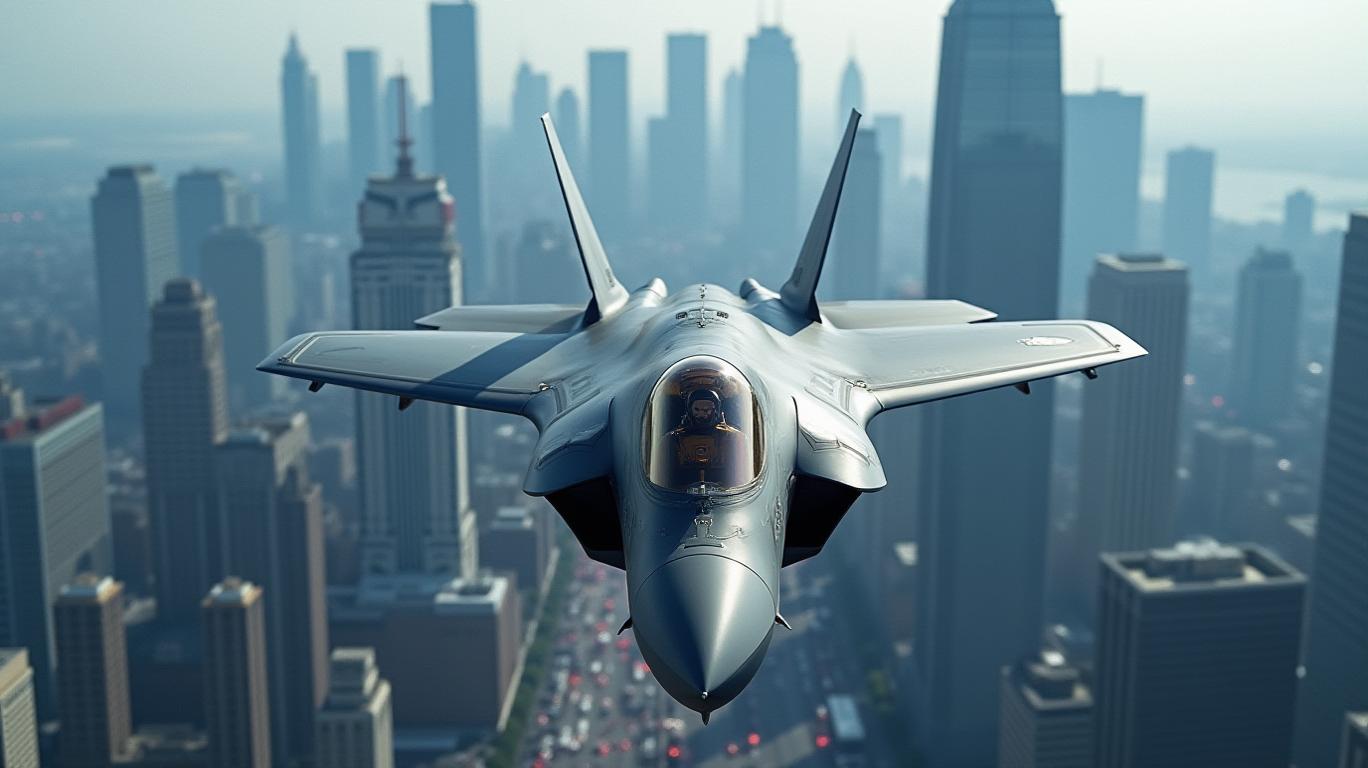
The Pentagon has reduced a recurring financial penalty against military airframer Lockheed Martin, citing progress on delivering a much-delayed upgrade to the F-35 stealth fighter. The Joint Program Office (JPO) that oversees F-35 purchases will now withhold approximately $3.8 million per aircraft, a reduction from the earlier penalty of around $5 million per jet. Lockheed Martin will invest $70.6 million in the F-35 program as compensation for its failure to deliver RFI spare parts.
The settlement between Lockheed Martin and the US government over defective pricing on F-35 contracts is a significant development for the defense industry. The settlement highlights the importance of clear communication and negotiation between prime contractors and their key suppliers, as well as the need for balanced pricing and supply agreements. As the defense industry continues to evolve, it is essential for all stakeholders to be aware of these complexities and work together to ensure the stability and security of the supply chain.
LMT--
Lockheed Martin, the world's largest defense contractor, has reached a settlement with the US government over allegations of defective pricing on F-35 contracts. The settlement, which was announced on February 7, 2025, marks the latest chapter in a dispute that has been ongoing for several years. The terms of the settlement were not made public, but it is believed to involve a financial penalty and an agreement to improve Lockheed Martin's pricing practices.
The dispute centered around an argument over the pricing and supply of titanium, a crucial element for F-35 production. Lockheed Martin had filed a lawsuit against Howmet Aerospace, a key supplier, after they ended the titanium supply in November 2023. The cessation came after Lockheed refused to accept increased prices that were, according to Howmet, reflective of inflation and a global supply squeeze.
The struggle over pricing and supply issues stems from the broader geopolitical landscape. Following Russia's invasion of Ukraine, there has been a tightening in the availability of titanium on the global market. The Russian firm VSMPO-Avisma, a major global titanium supplier, holds a significant portion of the world market, which has had direct implications on global access to the metal. Despite these factors, the US government and European Union have not issued sanctions on VSMPO-Avisma.
The Lockheed-Howmet legal dispute hasn't been without its contentious points. Howmet responded to Lockheed's initial legal action by accusing them of exploiting 'national security interests' and leveraging Howmet to improve their bottom lines. The crux of the dispute came down to a requested price increase, amounting to a $17 million difference – a small sliver of Lockheed's total sales. This request was a result of Howmet facing increased competition and a subsequent price increase for the essential material.
Despite the legal wrangling, the F-35 Joint Program Office remains committed to keeping production on track. A spokesman for the F-35 JPO confirmed that Lockheed and Howmet's agreement would ensure the dispute's potential impacts would be mitigated, thus keeping aircraft production on plan. This settlement appears to solve the dispute over titanium pricing, but Lockheed continues to grapple with supply chain issues for the F-35s critical components.
Throughout the dispute, both companies have shown their willingness to fight their respective corners. Following the initial review of evidence, the presiding judge suggested that Lockheed's argument was likely to succeed. However, he denied a request from Lockheed to compel Howmet to maintain the titanium supply amid ongoing litigation. The litigation was eventually brought to an end with a private settlement between both parties, details of which were not made public.
The ramifications of this dispute on the F-35 production schedule remain unclear, although it does highlight the complex dynamics of the defense manufacturing supply chain. Meanwhile, the titans of the industry continue to grapple with supply chain uncertainties as the political and economic climate evolves. Amid hardware shortages and ongoing software challenges, Lockheed and the Pentagon are looking to resolve the deliverable impasse for F-35s equipped with Technology Refresh 3 (TR-3) by July at the earliest.
The Pentagon has reduced a recurring financial penalty against military airframer Lockheed Martin, citing progress on delivering a much-delayed upgrade to the F-35 stealth fighter. The Joint Program Office (JPO) that oversees F-35 purchases will now withhold approximately $3.8 million per aircraft, a reduction from the earlier penalty of around $5 million per jet. Lockheed Martin will invest $70.6 million in the F-35 program as compensation for its failure to deliver RFI spare parts.
The settlement between Lockheed Martin and the US government over defective pricing on F-35 contracts is a significant development for the defense industry. The settlement highlights the importance of clear communication and negotiation between prime contractors and their key suppliers, as well as the need for balanced pricing and supply agreements. As the defense industry continues to evolve, it is essential for all stakeholders to be aware of these complexities and work together to ensure the stability and security of the supply chain.

Divulgación editorial y transparencia de la IA: Ainvest News utiliza tecnología avanzada de Modelos de Lenguaje Largo (LLM) para sintetizar y analizar datos de mercado en tiempo real. Para garantizar los más altos estándares de integridad, cada artículo se somete a un riguroso proceso de verificación con participación humana.
Mientras la IA asiste en el procesamiento de datos y la redacción inicial, un miembro editorial profesional de Ainvest revisa, verifica y aprueba de forma independiente todo el contenido para garantizar su precisión y cumplimiento con los estándares editoriales de Ainvest Fintech Inc. Esta supervisión humana está diseñada para mitigar las alucinaciones de la IA y garantizar el contexto financiero.
Advertencia sobre inversiones: Este contenido se proporciona únicamente con fines informativos y no constituye asesoramiento profesional de inversión, legal o financiero. Los mercados conllevan riesgos inherentes. Se recomienda a los usuarios que realicen una investigación independiente o consulten a un asesor financiero certificado antes de tomar cualquier decisión. Ainvest Fintech Inc. se exime de toda responsabilidad por las acciones tomadas con base en esta información. ¿Encontró un error? Reportar un problema




Comentarios
Aún no hay comentarios