
LNG Freight Rates Plunge to Record-Low Levels as Vessels Pile Up
Generado por agente de IACyrus Cole
jueves, 23 de enero de 2025, 10:09 pm ET1 min de lectura
ATLN--
The liquefied natural gas (LNG) shipping industry is grappling with historically low freight rates, as an oversupply of vessels and delayed liquefaction projects have created a challenging market landscape. As of January 2025, spot charter rates for LNG carriers in the Atlantic basin are approximately $24,000 per day, marking one of the lowest levels recorded for this period.
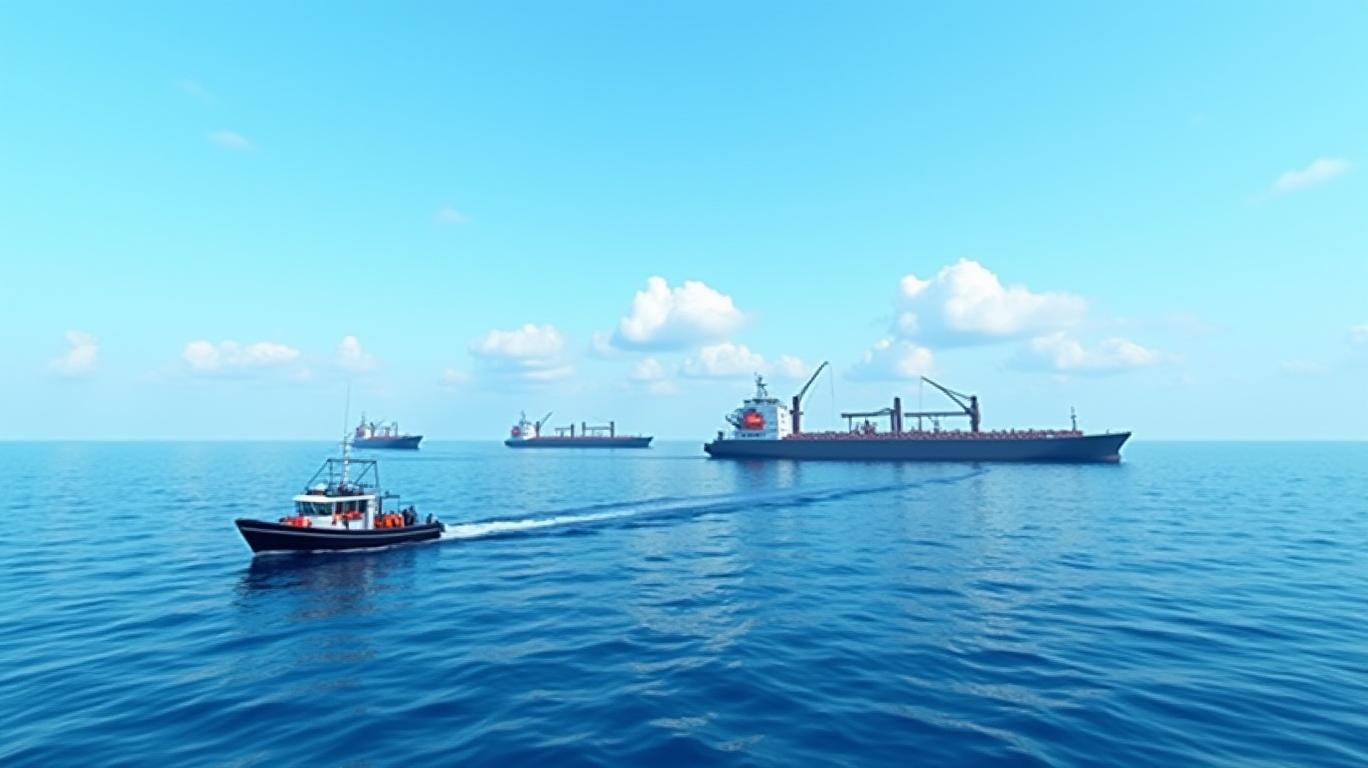
The primary factors contributing to the record-low LNG freight rates are the oversupply of LNG carriers, delayed liquefaction projects, and moderate global demand. The global LNG fleet has expanded significantly, with approximately 96 new LNG carriers scheduled for delivery in 2025. This influx exacerbates the existing oversupply, as fleet growth continues to outpace the addition of new liquefaction capacities. Several anticipated LNG export projects, particularly in the United States, have faced delays due to regulatory hurdles and construction challenges. These postponements have resulted in a slower increase in LNG supply, contributing to the mismatch between vessel availability and cargoes needing transportation. While Asian markets, especially China, are expected to drive LNG demand in 2025, competition from alternative energy sources and a push towards carbon neutrality may temper this growth.
To mitigate the impacts of low freight rates and promote market normalization, the LNG shipping industry can employ strategic responses such as fleet management adjustments and contractual negotiations. Shipowners are contemplating laying up or scrapping older, less efficient vessels to reduce oversupply and curtail operational costs. This strategy helps rebalance the supply-demand dynamics in the shipping market. Charterers are leveraging the current low-rate environment to secure long-term contracts at favorable terms, providing more stable cash flow for shipowners. Conversely, shipowners strive to maintain cash flow and fleet utilization, leading to a more competitive and flexible chartering landscape.
The LNG shipping industry faces significant challenges in the form of vessel oversupply and delayed liquefaction projects. However, by implementing strategic responses and addressing the underlying issues, the industry can work towards a more stable and sustainable market. As the global demand for LNG continues to evolve, the industry must adapt to ensure long-term success.
CHTR--
LNG--
SHIP--
The liquefied natural gas (LNG) shipping industry is grappling with historically low freight rates, as an oversupply of vessels and delayed liquefaction projects have created a challenging market landscape. As of January 2025, spot charter rates for LNG carriers in the Atlantic basin are approximately $24,000 per day, marking one of the lowest levels recorded for this period.
The primary factors contributing to the record-low LNG freight rates are the oversupply of LNG carriers, delayed liquefaction projects, and moderate global demand. The global LNG fleet has expanded significantly, with approximately 96 new LNG carriers scheduled for delivery in 2025. This influx exacerbates the existing oversupply, as fleet growth continues to outpace the addition of new liquefaction capacities. Several anticipated LNG export projects, particularly in the United States, have faced delays due to regulatory hurdles and construction challenges. These postponements have resulted in a slower increase in LNG supply, contributing to the mismatch between vessel availability and cargoes needing transportation. While Asian markets, especially China, are expected to drive LNG demand in 2025, competition from alternative energy sources and a push towards carbon neutrality may temper this growth.
To mitigate the impacts of low freight rates and promote market normalization, the LNG shipping industry can employ strategic responses such as fleet management adjustments and contractual negotiations. Shipowners are contemplating laying up or scrapping older, less efficient vessels to reduce oversupply and curtail operational costs. This strategy helps rebalance the supply-demand dynamics in the shipping market. Charterers are leveraging the current low-rate environment to secure long-term contracts at favorable terms, providing more stable cash flow for shipowners. Conversely, shipowners strive to maintain cash flow and fleet utilization, leading to a more competitive and flexible chartering landscape.
The LNG shipping industry faces significant challenges in the form of vessel oversupply and delayed liquefaction projects. However, by implementing strategic responses and addressing the underlying issues, the industry can work towards a more stable and sustainable market. As the global demand for LNG continues to evolve, the industry must adapt to ensure long-term success.

Divulgación editorial y transparencia de la IA: Ainvest News utiliza tecnología avanzada de Modelos de Lenguaje Largo (LLM) para sintetizar y analizar datos de mercado en tiempo real. Para garantizar los más altos estándares de integridad, cada artículo se somete a un riguroso proceso de verificación con participación humana.
Mientras la IA asiste en el procesamiento de datos y la redacción inicial, un miembro editorial profesional de Ainvest revisa, verifica y aprueba de forma independiente todo el contenido para garantizar su precisión y cumplimiento con los estándares editoriales de Ainvest Fintech Inc. Esta supervisión humana está diseñada para mitigar las alucinaciones de la IA y garantizar el contexto financiero.
Advertencia sobre inversiones: Este contenido se proporciona únicamente con fines informativos y no constituye asesoramiento profesional de inversión, legal o financiero. Los mercados conllevan riesgos inherentes. Se recomienda a los usuarios que realicen una investigación independiente o consulten a un asesor financiero certificado antes de tomar cualquier decisión. Ainvest Fintech Inc. se exime de toda responsabilidad por las acciones tomadas con base en esta información. ¿Encontró un error? Reportar un problema


SOBRE NOSOTROS
Nuestra historiaAutores de noticiasBase de conocimientosPolítica de privacidadTérmino de usoDescargo de responsabilidad de corretaje de tercerosTérminos de uso de AIMEDivulgaciones de riesgos de AInvest AICarrerasCONTÁCTENOS
Email: support@ainvest.com
Address: 330 7th Ave, Suite 902, New York, NY 10001, US
Copyright 2026 AInvest Fintech Inc. All rights reserved.


Comentarios
Aún no hay comentarios