
Linde plc: A Pioneering Play in Hydrogen and AI-Driven Efficiency
The global energy transition is no longer a distant vision—it is a groundswell of action, and Linde plcLIN-- (LIN) stands at the forefront. With a strategic focus on low-carbon hydrogen and AI-powered operational excellence, LindeLIN-- is positioning itself to capitalize on a $134 billion electrolyzer market by 2030 while delivering margin expansion that could make it a standout industrial stock for the next decade.
Hydrogen as the Growth Engine
Linde's $10 billion project backlog as of Q1 2025 is a testament to its dominance in the hydrogen economy. Of this, $8–$10 billion is allocated to low-carbon hydrogen projects, spanning green hydrogen (produced via renewables) and blue hydrogen (with carbon capture). The company's global reach and technical expertise are evident in projects like:
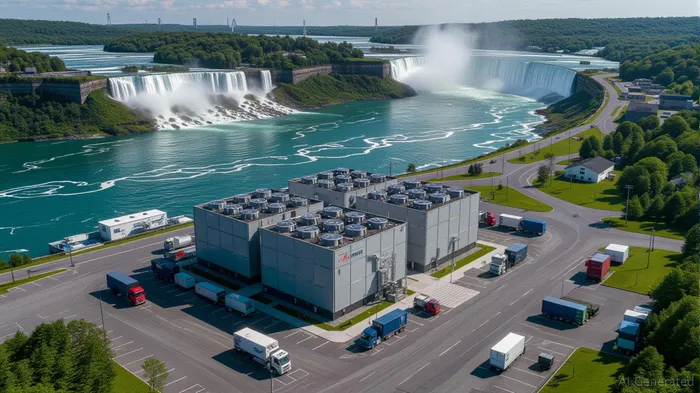
- Niagara Falls, NY: Its 35-megawatt PEM electrolyzer—the largest of its kind globally—will produce 200 kg of green liquid hydrogen hourly, more than doubling Linde's U.S. capacity. Operational by year-end, it leverages hydroelectric power and existing infrastructure to serve industrial and mobility markets.
- Germany's Leuna Chemical Complex: A 24-megawatt PEM electrolyzer will supply green hydrogen to industrial customers and refueling stations, reducing CO₂ emissions by 40,000 tons annually.
- Norway's Porsgrunn Plant: A partnership with Yara to replace gray hydrogen with 10,000 kg/day of green hydrogen, cutting emissions by 41,000 tons and enabling 20,500 tons of green ammonia production yearly.
These projects underscore Linde's dual strategy: blue hydrogen for scale in regions like the U.S., where tax incentives (e.g., the 45Q credit) drive adoption, and green hydrogen in renewables-rich areas like Norway and Brazil. In South America, its White Martins subsidiary has already produced the region's first certified green hydrogen, signaling a foothold in emerging markets.
Source: Yahoo Finance
AI-Driven Efficiency: Margin Expansion Meets Innovation
While hydrogen projects capture headlines, Linde's operating margin expansion (to 30.1% in Q1 2025, up 120 basis points YoY) highlights its operational prowess. This is fueled by AI and data analytics, which optimize gas production, distribution, and energy use. For instance:
- Predictive maintenance reduces downtime in industrial plants.
- Dynamic pricing algorithms for gases like nitrogen and oxygen improve profit margins in volatile markets.
- Carbon capture system automation cuts costs in blue hydrogen projects, making them economically viable even without subsidies.
Linde's $5.5 billion 2025 capex plan prioritizes AI integration, ensuring that its hydrogen facilities and gas networks operate at peak efficiency. This focus aligns with its goal of hitting a 2026 price target of $240, driven by margin growth and hydrogen revenue scaling.
Risks and Mitigation
No investment is without risk. Linde faces headwinds like delays in its $2 billion Alberta blue hydrogen project with Dow, currency volatility (a 2% headwind in 2025), and weak manufacturing demand in EMEA. However, its diversified revenue streams—healthcare, electronics, and chemicals—provide a stable cash flow base. The $7 billion in sale-of-gas contracts within its backlog also offer predictable income, shielding investors from hydrogen's cyclical risks.
The Investment Case: Long-Term Catalysts Abound
For investors seeking exposure to decarbonization and industrial tech, Linde offers a compelling mix of growth and stability:
1. Hydrogen's Scalability: With global hydrogen demand projected to grow at a 13% CAGR through 2030, Linde's backlog positions it to capture a large share of this market.
2. Margin Resilience: Even in macroeconomic downturns, its AI-driven efficiencies and high-margin hydrogen projects (often under long-term contracts) buffer earnings.
3. Valuation: At current prices, Linde trades at ~15x 2025E EPS, below its five-year average of .x, offering room for re-rating as hydrogen revenues materialize.
Source: Company Reports
Conclusion: A Buy for the Long Run
Linde is more than a gas supplier—it is an engineering powerhouse pivoting to solve the world's energy challenges. Its hydrogen projects, bolstered by AI and decades of industrial know-how, create a moat against competitors. Historically, a strategy of buying LINLIN-- on its earnings announcement dates and holding for 20 days has delivered compelling results. From 2020 to 2025, this approach generated a total return of 303%, with a compound annual growth rate of 29.9%. While it experienced a maximum drawdown of 52.9%, the risk-adjusted returns, as measured by a Sharpe ratio of 0.7, suggest this strategy can capture earnings-driven momentum effectively. While near-term risks like project delays exist, the long-term tailwinds of decarbonization and margin expansion make LIN a strong buy for patient investors. With a 2030 electrolyzer market worth $134 billion, Linde is not just keeping up with the future—it's building it.
Investment thesis: Hold for strategic exposure to green hydrogen and operational excellence. Monitor execution of the Alberta project and margin trends for upside catalysts.







Comentarios
Aún no hay comentarios