
Lighting the Path Forward: SCE’s $900M Gamble on Grid Resilience Could Spark a New Era—or Burn Investors
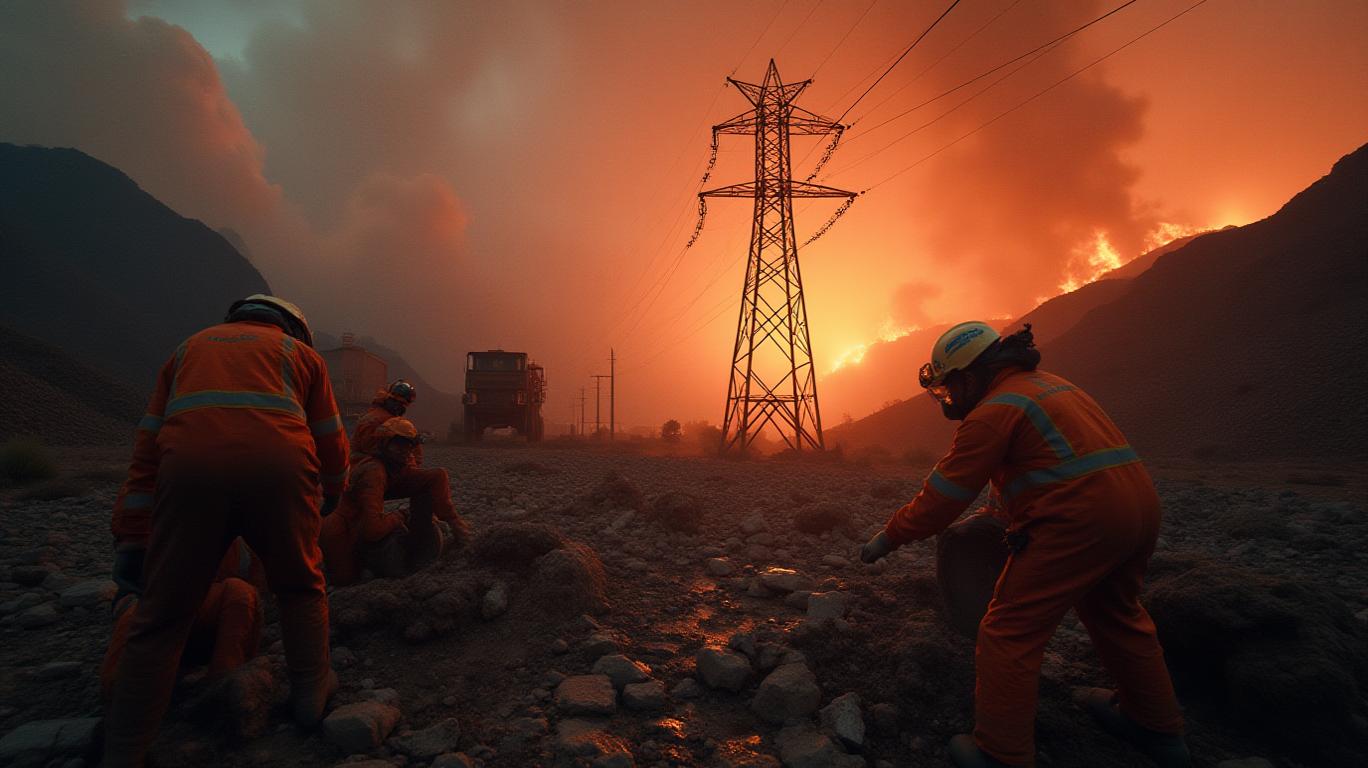
Wildfires have become the new normal in California, turning skies orangeOBT-- and communities into tinderboxes. Southern California Edison (SCE), a subsidiary of Edison International (EIX), is now betting $860 million to $925 million to rebuild its grid in Altadena and Malibu—areas ravaged by January’s Eaton and Hurst fires. But is this a bold step toward wildfire-proofing the West, or a fiscal trap for shareholders? Let’s dig in.
The Plan: Modernizing at a Cost
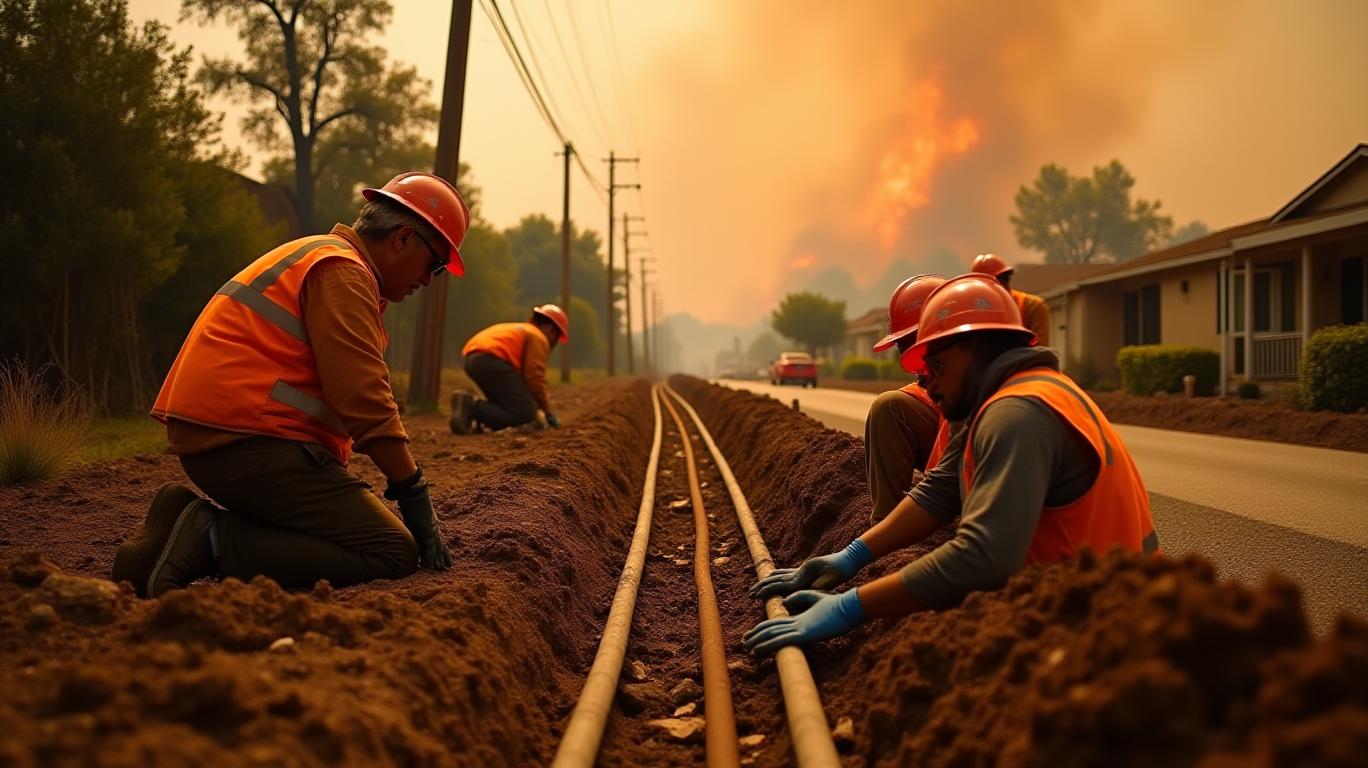
SCE’s blueprint centers on undergrounding 153 circuit miles of power lines in wildfire zones, shielding them from sparks caused by wind-blown debris or equipment failures. In Malibu alone, 90 circuit miles in high-risk areas will vanish from sight, while Altadena gets voltage upgrades from 4kV to 16kV—a move to handle rising demand from EVs and solar adoption. The plan also includes “smart panels,” portable batteries for critical-care patients, and Community Resiliency Zones with backup power.
But here’s the catch: costs. SCE insists it won’t pass expenses to customers, instead targeting federal grants, state funds, and philanthropy. However, reconnecting homes could still cost up to $10,000 each—creating a funding gap if external money dries up.
Regulatory Tailwinds—and Headwinds
Governor Newsom’s executive order is a game-changer. By suspending environmental reviews under CEQA and the Coastal Act, SCE can fast-track projects that normally take years. This regulatory relief is critical: some sections could be done in months, while others may drag on for years.
Yet lawsuits loom large. SCE faces scrutiny over its role in the Eaton Fire, with equipment inspections ongoing. If found liable, penalties or settlements could eat into profits. Meanwhile, the company’s parent, Edison International, is already diverting resources to rebuild and defend itself—a balancing act that could strain margins.
The Bigger Picture: A Microcosm of Grid Modernization
This isn’t just about SCE; it’s a test case for utilities nationwide. Wildfire risks are rising due to climate change, and undergrounding is expensive but potentially transformative. The U.S. needs $1 trillion in grid upgrades by 2030, per the Bipartisan Infrastructure Law—a market SCE is positioning to dominate if it executes well.
Investors should note that EIX’s peers like NextEra Energy (NEE) and Dominion Energy (D) are also pivoting to resilience projects. But SCE’s plan is unique in its scale and regulatory complexity.
Risks on the Horizon
- Funding Fiasco: If grants or state aid falters, EIX might have to eat costs or raise rates—a political minefield.
- Legal Fallout: Eaton Fire litigation could drag on for years, diverting cash and attention.
- Execution Delays: Permitting shortcuts may backfire if environmental groups sue, slowing progress.
The Bottom Line: A High-Stakes Bet with Hidden Upside
SCE’s plan is a “moonshot” for grid resilience, but it’s fraught with risk. On one hand, success could make EIX a leader in wildfire mitigation, unlocking federal contracts and regulatory goodwill. On the other, missteps could send shares tumbling.
Consider this: Edison International’s stock has risen 18% in the past year, outperforming the S&P 500 (up 9%). Investors are betting on its ability to navigate this gamble. But don’t forget—this isn’t just about infrastructure. It’s about whether a utility can innovate fast enough to survive in an era of climate chaos.
Final Take
For now, EIX remains a “hold” with an eye on funding breakthroughs and legal updates. If SCE can pull this off, it won’t just light up Malibu—it’ll ignite a new model for utilities nationwide. But if costs spiral or lawsuits derail the plan, shareholders could find themselves in the dark. Stay vigilant, and keep an eye on those permits and grant announcements—they’ll be the sparks that decide this stock’s fate.
Conclusion: SCE’s rebuild is a high-wire act between innovation and risk. Investors who stomach the volatility might profit from a grid-resistant future—but those with shorter fuses should think twice. The flames of change are here, and only the prepared will thrive.







Comentarios
Aún no hay comentarios