
Li-Metal Corp.'s Pivotal Shift: Navigating the New Investment Landscape
Generado por agente de IAWesley Park
lunes, 2 de diciembre de 2024, 3:50 pm ET2 min de lectura
LI--
Li-Metal Corp. (CSE: LIM) has stirred up the market with its recent announcement of a trading halt, pending a review of its proposed change of business. The halt, effective December 2nd, 2024, follows the company's decision to shift from a lithium anode development and production company to an investment company. This move raises intriguing questions about the company's strategic direction, potential impacts, and the competitive landscape it faces.
Firstly, it's essential to consider the potential implications of this shift on Li-Metal Corp.'s financial performance in the near term. As a lithium anode developer, the company was well-positioned to capitalize on the burgeoning electric vehicle market. However, the change in business strategy may lead to uncertainty in earnings and cash flows as the company transitions to an investment company. This shift could result in a decrease in revenue and earnings in the short term, as the company focuses on restructuring its business model.
The new investment-focused business model brings both strategic advantages and disadvantages. On the one hand, diversifying its portfolio allows Li-Metal to potentially yield higher returns and mitigate risks associated with a single industry. On the other hand, the investment sector is highly competitive and requires skilled management and market knowledge. The company's previous focus on lithium anode production offered a more predictable revenue stream and a strong position in the growing electric vehicle market. By changing its business model, Li-Metal may face a steeper learning curve and increased competition in the investment sector. The company's success will depend on its ability to adapt and leverage its existing resources to make strategic investments.
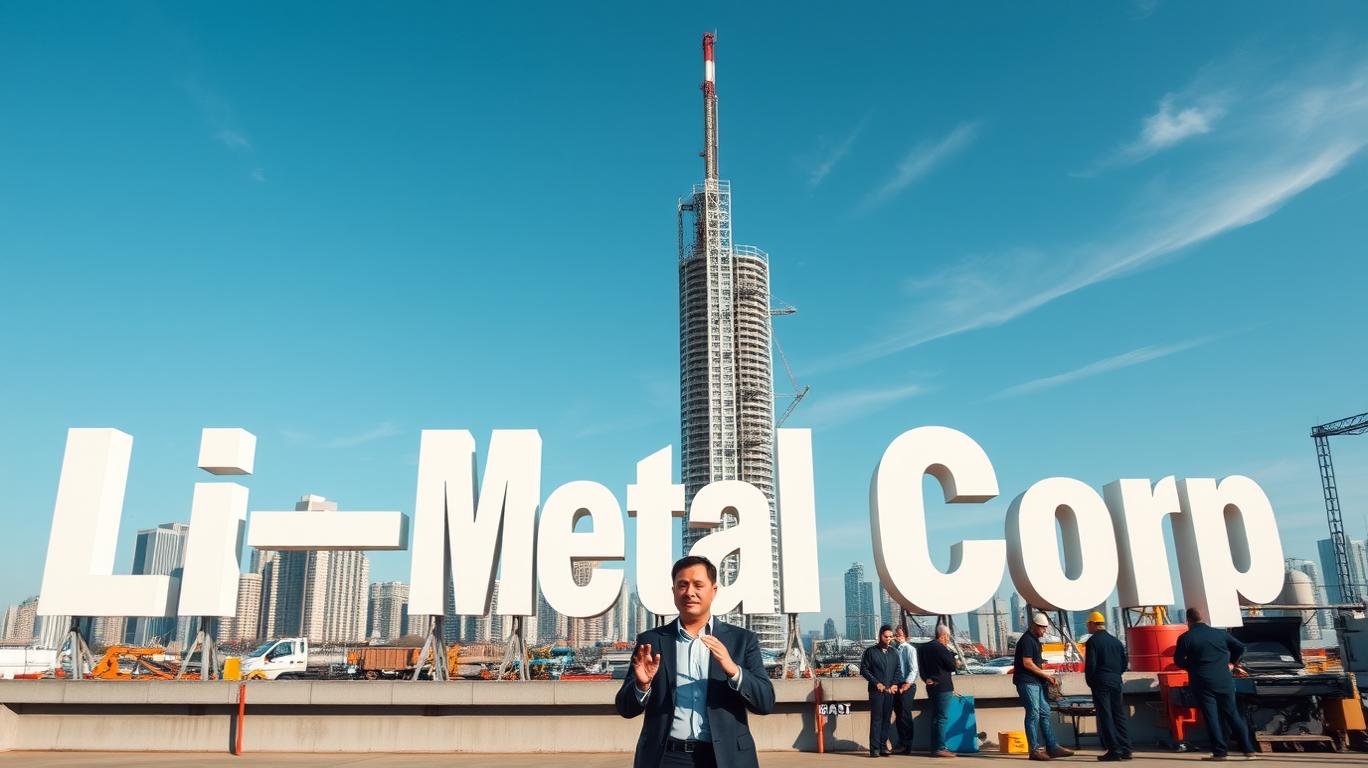
Li-Metal Corp.'s management team plays a crucial role in the success of its new investment strategy. The team's ability to pivot strategies and navigate changing market conditions bodes well for the company's future. With the halt in trading pending review, investors should monitor management's ability to effectively communicate the change and secure shareholder and CSE approval. A smooth transition could signal a commitment to transparency and shareholder value, enhancing the company's investment potential. The team's expertise in the investment sector is vital, as it will determine the company's ability to generate returns and create value for shareholders.
The approval process for Li-Metal Corp.'s change of business involves shareholder and CSE approval, which could be delayed or hindered by various factors. Regulatory hurdles might include CSE's scrutiny of the proposed business model and disclosure standards, potential conflicts of interest or insider trading concerns, and ensuring the new business aligns with CSE's listing requirements. External factors could include geopolitical tensions, labor market dynamics, or economic downturns affecting investor sentiment and shareholder approval.
The shift from a lithium anode development company to an investment company significantly alters Li-Metal Corp.'s competitive landscape. As an investment company, Li-Metal will no longer compete directly with lithium anode producers like Ganfeng Lithium (HKEX: 1772) and Livent (NYSE: LTHM), reducing its exposure to lithium commodity price fluctuations. Instead, Li-Metal will invest in other companies, potentially expanding its risk profile but offering new growth opportunities. For instance, investments in tech or renewable energy startups could provide higher returns, aligning with the author's preference for under-owned sectors. However, the switch also introduces competition with established investment firms like Morgan Stanley, requiring Li-Metal to demonstrate its investment prowess to attract investors.
In conclusion, Li-Metal Corp.'s proposed change of business from a lithium anode development company to an investment company presents both challenges and opportunities. As investors and stakeholders await the CSE's review and approval, they should closely monitor the company's progress in its new business venture and the CSE's review process for any updates. The success of this transition will ultimately depend on Li-Metal's ability to adapt, manage risks, and create value for shareholders in the competitive investment sector.
Li-Metal Corp. (CSE: LIM) has stirred up the market with its recent announcement of a trading halt, pending a review of its proposed change of business. The halt, effective December 2nd, 2024, follows the company's decision to shift from a lithium anode development and production company to an investment company. This move raises intriguing questions about the company's strategic direction, potential impacts, and the competitive landscape it faces.
Firstly, it's essential to consider the potential implications of this shift on Li-Metal Corp.'s financial performance in the near term. As a lithium anode developer, the company was well-positioned to capitalize on the burgeoning electric vehicle market. However, the change in business strategy may lead to uncertainty in earnings and cash flows as the company transitions to an investment company. This shift could result in a decrease in revenue and earnings in the short term, as the company focuses on restructuring its business model.
The new investment-focused business model brings both strategic advantages and disadvantages. On the one hand, diversifying its portfolio allows Li-Metal to potentially yield higher returns and mitigate risks associated with a single industry. On the other hand, the investment sector is highly competitive and requires skilled management and market knowledge. The company's previous focus on lithium anode production offered a more predictable revenue stream and a strong position in the growing electric vehicle market. By changing its business model, Li-Metal may face a steeper learning curve and increased competition in the investment sector. The company's success will depend on its ability to adapt and leverage its existing resources to make strategic investments.
Li-Metal Corp.'s management team plays a crucial role in the success of its new investment strategy. The team's ability to pivot strategies and navigate changing market conditions bodes well for the company's future. With the halt in trading pending review, investors should monitor management's ability to effectively communicate the change and secure shareholder and CSE approval. A smooth transition could signal a commitment to transparency and shareholder value, enhancing the company's investment potential. The team's expertise in the investment sector is vital, as it will determine the company's ability to generate returns and create value for shareholders.
The approval process for Li-Metal Corp.'s change of business involves shareholder and CSE approval, which could be delayed or hindered by various factors. Regulatory hurdles might include CSE's scrutiny of the proposed business model and disclosure standards, potential conflicts of interest or insider trading concerns, and ensuring the new business aligns with CSE's listing requirements. External factors could include geopolitical tensions, labor market dynamics, or economic downturns affecting investor sentiment and shareholder approval.
The shift from a lithium anode development company to an investment company significantly alters Li-Metal Corp.'s competitive landscape. As an investment company, Li-Metal will no longer compete directly with lithium anode producers like Ganfeng Lithium (HKEX: 1772) and Livent (NYSE: LTHM), reducing its exposure to lithium commodity price fluctuations. Instead, Li-Metal will invest in other companies, potentially expanding its risk profile but offering new growth opportunities. For instance, investments in tech or renewable energy startups could provide higher returns, aligning with the author's preference for under-owned sectors. However, the switch also introduces competition with established investment firms like Morgan Stanley, requiring Li-Metal to demonstrate its investment prowess to attract investors.
In conclusion, Li-Metal Corp.'s proposed change of business from a lithium anode development company to an investment company presents both challenges and opportunities. As investors and stakeholders await the CSE's review and approval, they should closely monitor the company's progress in its new business venture and the CSE's review process for any updates. The success of this transition will ultimately depend on Li-Metal's ability to adapt, manage risks, and create value for shareholders in the competitive investment sector.

Divulgación editorial y transparencia de la IA: Ainvest News utiliza tecnología avanzada de Modelos de Lenguaje Largo (LLM) para sintetizar y analizar datos de mercado en tiempo real. Para garantizar los más altos estándares de integridad, cada artículo se somete a un riguroso proceso de verificación con participación humana.
Mientras la IA asiste en el procesamiento de datos y la redacción inicial, un miembro editorial profesional de Ainvest revisa, verifica y aprueba de forma independiente todo el contenido para garantizar su precisión y cumplimiento con los estándares editoriales de Ainvest Fintech Inc. Esta supervisión humana está diseñada para mitigar las alucinaciones de la IA y garantizar el contexto financiero.
Advertencia sobre inversiones: Este contenido se proporciona únicamente con fines informativos y no constituye asesoramiento profesional de inversión, legal o financiero. Los mercados conllevan riesgos inherentes. Se recomienda a los usuarios que realicen una investigación independiente o consulten a un asesor financiero certificado antes de tomar cualquier decisión. Ainvest Fintech Inc. se exime de toda responsabilidad por las acciones tomadas con base en esta información. ¿Encontró un error? Reportar un problema


SOBRE NOSOTROS
Nuestra historiaAutores de noticiasBase de conocimientosPolítica de privacidadTérmino de usoDescargo de responsabilidad de corretaje de tercerosTérminos de uso de AIMEDivulgaciones de riesgos de AInvest AICarrerasCONTÁCTENOS
Email: support@ainvest.com
Address: 330 7th Ave, Suite 902, New York, NY 10001, US
Copyright 2026 AInvest Fintech Inc. All rights reserved.


Comentarios
Aún no hay comentarios