
LG Chem Accelerates Commercial Production of 100% Plant-Based Acrylic Acid
Generado por agente de IAMarcus Lee
miércoles, 12 de febrero de 2025, 7:16 pm ET1 min de lectura
FOSL--
LG Chem, a global leader in chemical and materials production, has announced a significant milestone in its commitment to sustainability with the acceleration of commercial production of 100% plant-based acrylic acid. This eco-friendly alternative to conventional petrochemical-based acrylic acid is set to revolutionize the market for bio-based materials, with potential applications in cosmetics, diapers, adhesives, paints, and more.
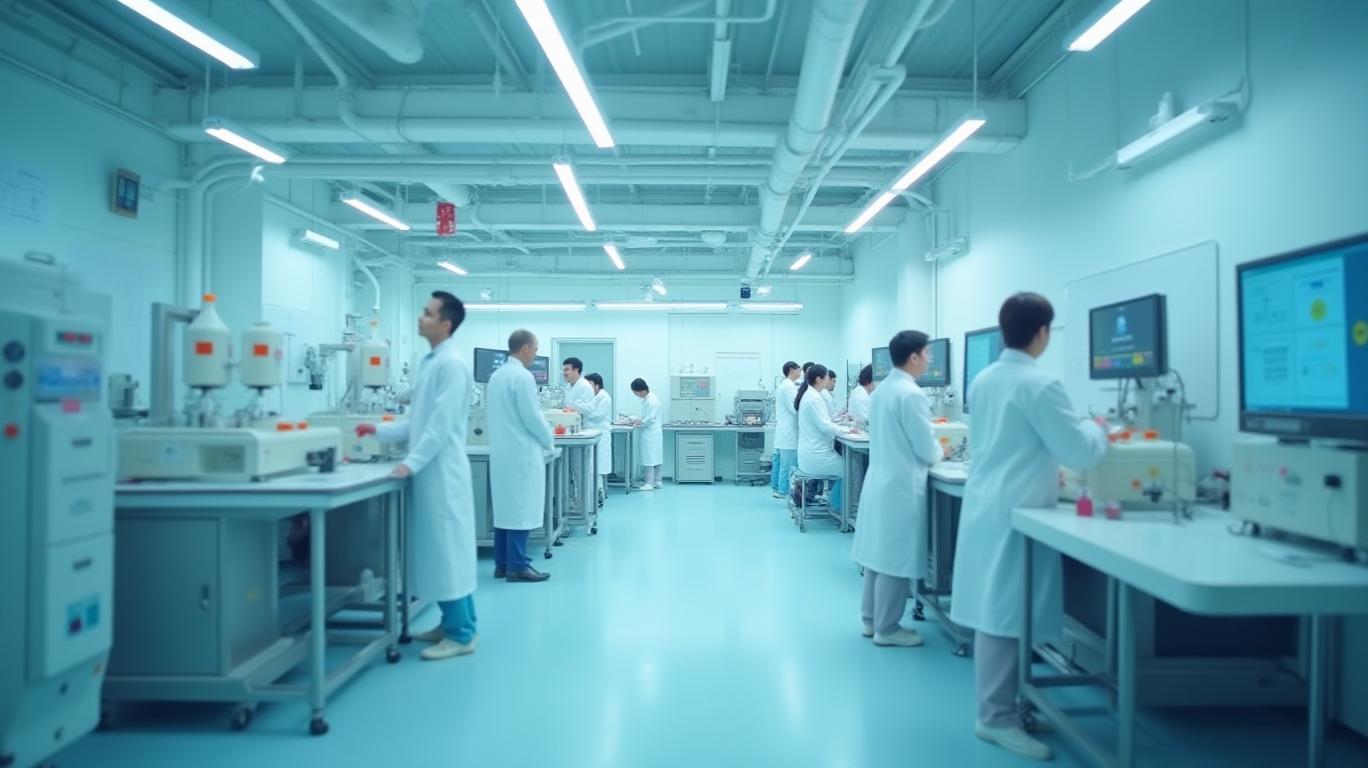
LG Chem's bio-acrylic acid is produced through the microbial fermentation of plant-based raw materials, resulting in a product with the same molecular structure and properties as conventional acrylic acid. This innovative production method offers several environmental benefits, including reduced greenhouse gas emissions, lower dependence on fossil fuels, and biodegradability of the resulting plastics.
LG Chem's bio-acrylic acid has received the USDA Certified Biobased Product (BIOPREFERRED®) label, confirming its 100% bio-based status. This certification further enhances the product's marketability and credibility, particularly in North America and Europe, where demand for sustainable materials is growing.
The company plans to commence prototype production in the second quarter of 2025, with an initial capacity of 100 metric tons per year. LG Chem is also exploring the potential for expanding production facilities if market demand increases, further solidifying its commitment to the commercialization of this eco-friendly product.
LG Chem's investment in bio-acrylic acid aligns with its broader sustainability strategy and commitment to achieving carbon-neutral growth by 2050. By reducing reliance on fossil fuels, promoting a circular economy, developing low-carbon products, and expanding its eco-friendly materials portfolio, LG Chem is demonstrating its dedication to a more sustainable future.
As the global demand for sustainable materials continues to grow, LG Chem's 100% plant-based acrylic acid is poised to become a game-changer in the bio-based materials market. With its environmental benefits, versatility, and market potential, LG Chem's bio-acrylic acid is set to make a significant impact on the chemical industry and contribute to a more sustainable world.
LG Chem, a global leader in chemical and materials production, has announced a significant milestone in its commitment to sustainability with the acceleration of commercial production of 100% plant-based acrylic acid. This eco-friendly alternative to conventional petrochemical-based acrylic acid is set to revolutionize the market for bio-based materials, with potential applications in cosmetics, diapers, adhesives, paints, and more.
LG Chem's bio-acrylic acid is produced through the microbial fermentation of plant-based raw materials, resulting in a product with the same molecular structure and properties as conventional acrylic acid. This innovative production method offers several environmental benefits, including reduced greenhouse gas emissions, lower dependence on fossil fuels, and biodegradability of the resulting plastics.
LG Chem's bio-acrylic acid has received the USDA Certified Biobased Product (BIOPREFERRED®) label, confirming its 100% bio-based status. This certification further enhances the product's marketability and credibility, particularly in North America and Europe, where demand for sustainable materials is growing.
The company plans to commence prototype production in the second quarter of 2025, with an initial capacity of 100 metric tons per year. LG Chem is also exploring the potential for expanding production facilities if market demand increases, further solidifying its commitment to the commercialization of this eco-friendly product.
"LG Chem is committed to leading the development of eco-friendly technologies that contribute to achieving the 2050 Net Zero. This will be realized by intensifying the partnership between our two companies, fostering a sustainable future in the white bio sector."
- Hak Cheol Shin, CEO, LG Chem
LG Chem's investment in bio-acrylic acid aligns with its broader sustainability strategy and commitment to achieving carbon-neutral growth by 2050. By reducing reliance on fossil fuels, promoting a circular economy, developing low-carbon products, and expanding its eco-friendly materials portfolio, LG Chem is demonstrating its dedication to a more sustainable future.
As the global demand for sustainable materials continues to grow, LG Chem's 100% plant-based acrylic acid is poised to become a game-changer in the bio-based materials market. With its environmental benefits, versatility, and market potential, LG Chem's bio-acrylic acid is set to make a significant impact on the chemical industry and contribute to a more sustainable world.

Divulgación editorial y transparencia de la IA: Ainvest News utiliza tecnología avanzada de Modelos de Lenguaje Largo (LLM) para sintetizar y analizar datos de mercado en tiempo real. Para garantizar los más altos estándares de integridad, cada artículo se somete a un riguroso proceso de verificación con participación humana.
Mientras la IA asiste en el procesamiento de datos y la redacción inicial, un miembro editorial profesional de Ainvest revisa, verifica y aprueba de forma independiente todo el contenido para garantizar su precisión y cumplimiento con los estándares editoriales de Ainvest Fintech Inc. Esta supervisión humana está diseñada para mitigar las alucinaciones de la IA y garantizar el contexto financiero.
Advertencia sobre inversiones: Este contenido se proporciona únicamente con fines informativos y no constituye asesoramiento profesional de inversión, legal o financiero. Los mercados conllevan riesgos inherentes. Se recomienda a los usuarios que realicen una investigación independiente o consulten a un asesor financiero certificado antes de tomar cualquier decisión. Ainvest Fintech Inc. se exime de toda responsabilidad por las acciones tomadas con base en esta información. ¿Encontró un error? Reportar un problema


SOBRE NOSOTROS
Nuestra historiaAutores de noticiasBase de conocimientosPolítica de privacidadTérmino de usoDescargo de responsabilidad de corretaje de tercerosTérminos de uso de AIMEDivulgaciones de riesgos de AInvest AICarrerasCONTÁCTENOS
Email: support@ainvest.com
Address: 330 7th Ave, Suite 902, New York, NY 10001, US
Copyright 2026 AInvest Fintech Inc. All rights reserved.


Comentarios
Aún no hay comentarios