
LG's AI-Powered Premium Expansion Targets Luxury Market Share Growth at CES 2026
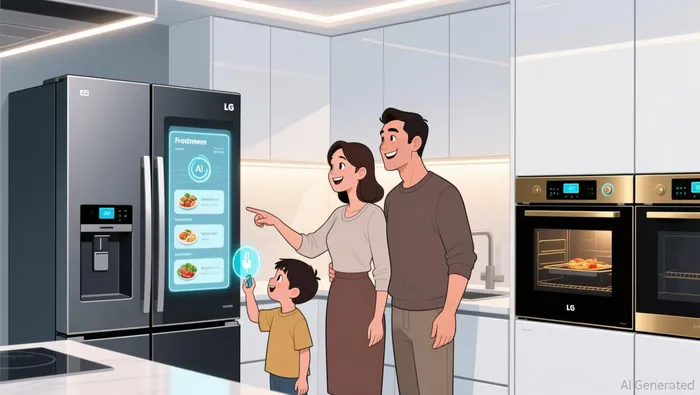
Building on recent innovations, LG is accelerating its premium market strategy with an AI-driven SIGNATURE lineup designed to capture luxury consumers. The core offering includes refrigerators equipped with conversational AI, real-time freshness monitoring, and recipe suggestions powered by internal cameras, while ovens leverage AI-driven cooking optimization for precision preparation. These features aim to deliver seamless, personalized experiences that align with the "Affectionate Intelligence" theme unveiled at CES 2026, emphasizing intuitive device connectivity across home and lifestyle ecosystems.
The redesigned SIGNATURE series reinforces its luxury positioning with "Refined Minimal" aesthetics, gold accents, and three new design collections tailored to high-end living spaces. Collaborations with Italian design house Poliform further integrate LG appliances into premium home environments, showcasing sophisticated, space-efficient solutions for discerning customers. This dual focus on advanced AI functionality and elevated design reflects LG's broader push to expand its global premium footprint, though success hinges on convincing affluent buyers to pay a premium for these features amid competitive market dynamics.
Market Momentum and Innovation
According to current market analysis, North America's appliance market is poised for sustained growth, projected to reach USD 106.7 billion by 2033. This expansion is primarily fueled by a combination of factors. Replacement cycles for major appliances-including dishwashers, refrigerators, and air conditioners-create consistent demand, while the integration of AI features is accelerating upgrades. Energy efficiency and eco-friendly designs remain critical purchasing drivers, particularly as online channels and social commerce continue to capture greater market share. Manufacturers are responding by developing smart appliances and multifunctional products that emphasize convenience and sustainability, aligning with consumer preferences. The luxury segment is also leveraging design collections to attract premium-seeking buyers, adding another layer of differentiation.
However, growth faces headwinds. Supply chain volatility and rising raw material costs threaten profit margins, forcing companies to prioritize localized production and resilience strategies. Competition is intensifying as more players innovate in the AI-enabled space, potentially pressuring pricing power. While the shift toward smart, sustainable appliances presents clear revenue opportunities, navigating these operational challenges will be crucial for long-term success. The market's trajectory remains positive, but execution risks could moderate near-term gains.
Growth Risks & Constraints
Despite the strong push for AI-driven innovation, significant headwinds threaten sustained premium market share gains. Supply chain volatility and rising raw material costs directly squeeze manufacturer margins, pressuring profit levels even as R&D investments climb. Intense competition for market share in smart appliance segments risks triggering pricing wars, particularly as new entrants leverage AI capabilities. The luxury segment faces particular vulnerability; demand for premium appliances is notably sensitive to broader economic conditions, potentially softening if consumer confidence falters. While localization efforts aim to build resilience, the combined effect of input cost inflation and competitive pricing pressure creates a challenging environment for maintaining high-margin growth trajectories. Economic uncertainty remains a key constraint on luxury appliance demand, tempering expectations for premium segment expansion.







Comentarios
Aún no hay comentarios