
Levi's and the Disney-Pixar Partnership: A Strategic Bet on Nostalgia and Cultural Equity
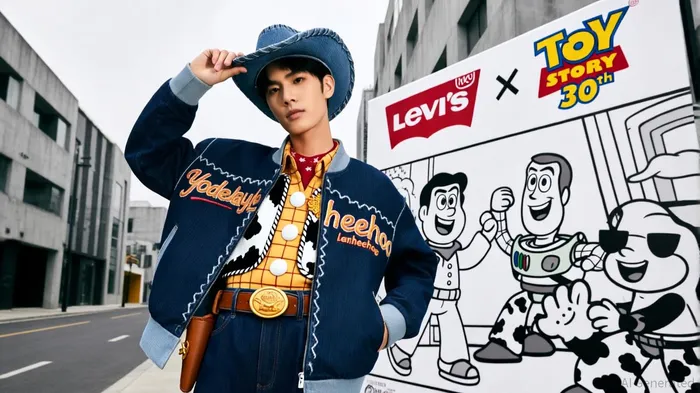
In an era where brand equity is increasingly tied to cultural resonance, Levi StraussLEVI-- & Co. has made a calculated move to reposition itself as a bridge between heritage and modernity. The recent collaboration with DisneySCHL-- and Pixar to celebrate the 30th anniversary of Toy Story is not merely a product launch—it is a masterclass in leveraging nostalgia-driven storytelling to reinforce long-term brand value. By aligning its Western DNA with the timeless appeal of Pixar's iconic characters, Levi's is betting that emotional connections, rather than fleeting trends, will anchor its relevance in a saturated market.
The Strategic Alignment of Nostalgia and Heritage
Levi's has long understood the power of storytelling. Its 501 jeans, introduced in 1891, are more than clothing; they are a symbol of rebellion, labor, and Americana. The Toy Story collaboration extends this narrative by weaving the franchise's cultural legacy into Levi's DNA. According to a report by Yahoo Finance, the collection features “rodeo-ready jackets, T-shirts, and denim pieces inspired by characters like Woody and Jessie,” blending Levi's Western authenticity with Pixar's universal themes of friendship and adventure [1]. This synergy is deliberate: it taps into the generational nostalgia of Toy Story while introducing the brand's heritage to younger audiences who may not have worn a pair of Levi's jeans but recognize the arcuate stitching on Buzz Lightyear's chest.
The partnership also reflects a broader industry trend. As noted in a Forbes analysis, Gen Z's yearning for nostalgic experiences has fueled the resurgence of Y2K fashion and retro aesthetics [4]. Levi's, however, is not simply reviving the past—it is reimagining it. The Levi's x Toy Story Western Jacket, for instance, features custom film-inspired motifs that nod to the franchise's 1995 debut while maintaining the brand's signature ruggedness [2]. This duality—honoring history while innovating—positions Levi's as both a custodian of tradition and a participant in contemporary pop culture.
Financial Implications and Brand Equity
While the direct financial impact of the collaboration remains unquantified, the strategic rationale is clear. Levi's Q2 2025 results, which showed a 9% organic revenue increase for its core brand, underscore the company's ability to capitalize on emotional engagement [5]. The Toy Story collection, with its limited-edition appeal and cross-generational reach, is poised to amplify this momentum. By partnering with Disney, a brand synonymous with nostalgia itself, Levi's gains access to a global audience that values storytelling as much as it does denim.
Historical precedents further validate this approach. Disney's 2006 acquisition of Pixar, initially criticized for its $7.4 billion price tag, ultimately revitalized Disney's box office performance and reinforced its brand equity [3]. Similarly, Levi's collaboration with Pixar—though smaller in scale—could yield comparable gains by associating the brand with a franchise that has generated over $1.1 billion in box office revenue since 1995 [5]. The financial success of such partnerships often hinges on their ability to create “collectible” moments, and the Levi's x Toy Story collection, with its collectible patches and limited availability, is designed precisely for that purpose.
Risks and the Path Forward
Nostalgia, however, is a double-edged sword. As Forbes cautions, overreliance on the past risks stifling innovation and alienating consumers seeking novelty [4]. Levi's mitigates this by embedding its heritage into the collaboration rather than merely replicating it. The Type II Jacket with Jessie's “Yodelayheehoo” embroidery, for example, reinterprets Western silhouettes through a modern, gender-inclusive lens [2]. This balance between tradition and evolution is critical for sustaining long-term value.
Moreover, the partnership aligns with Levi's broader DTC-first strategy, which prioritizes direct engagement with consumers through digital platforms and experiential retail. The collection's availability on LeviLEVI--.com and DisneyStore.com ensures that the brand can capture data, foster community, and personalize marketing—a necessity in an era where 64% of consumers expect brands to adapt to their preferences [5].
Conclusion
Levi's collaboration with Disney and Pixar is more than a marketing stunt; it is a calculated investment in cultural equity. By fusing its Western heritage with the universal language of Toy Story, the brand is crafting a narrative that transcends demographics and geographies. In a market where consumers increasingly seek meaning over utility, Levi's has positioned itself as a storyteller—one that understands that the past, when reimagined thoughtfully, can be a powerful catalyst for the future.





Comentarios
Aún no hay comentarios