
Leveraging Copper's Price Divergence: A Pre-August Strategy for Traders
The U.S. 50% tariff on copper imports, effective August 1, 2025, is reshaping global copper markets, creating a fleeting opportunity for traders to exploit regional price disparities. As the deadline looms, investors can capitalize on the widening spread between U.S. (COMEX) and Asian-European (SHFE/LME) markets—a divergence driven by stockpiling in the U.S. and a temporary supply glut abroad. This article outlines a short-term trading strategy, supported by inventory dynamics and logistical constraints, while emphasizing the critical August 1 pivot point.
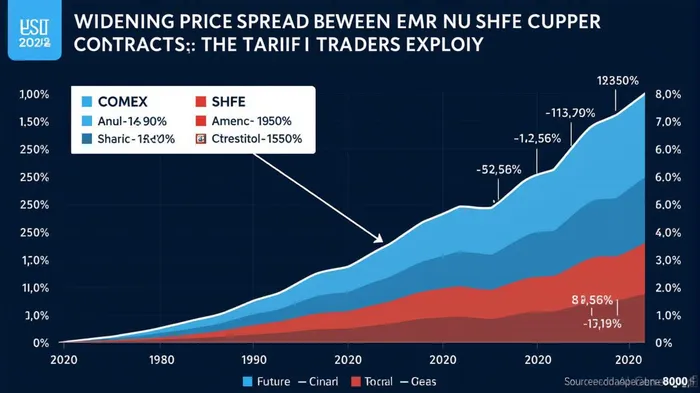
Regional Price Divergence: A Structural Opportunity
The tariff's announcement triggered a stark price split between U.S. and global markets. COMEX copper futures, anticipating reduced foreign supply and heightened domestic demand, have surged to $5.68/lb—a 38% jump since early 2025. Meanwhile, SHFE (Shanghai Futures Exchange) and LME (London Metal Exchange) prices have dipped as traders front-run a post-tariff oversupply in non-U.S. regions. This divergence is magnified by the logistics rush to meet the August 1 deadline, with shipments flooding U.S. ports while non-U.S. hubs face a temporary surplus.
Inventory Dynamics: Stockpiling vs. Glut
- U.S. Stockpiling: U.S. buyers, including manufacturers and traders, are aggressively purchasing copper ahead of the tariff to avoid higher post-August costs. U.S. copper inventories at key ports (e.g., Long Beach, Houston) have risen by 40% since April 2025, as shippers race to beat the deadline.
- Global Oversupply: Exports to the U.S. have surged, with July shipments hitting a record 450,000 tons—up 75% from June. This influx has created a supply glut in non-U.S. markets, depressing prices.
The Trading Play: Exploit the Divergence Before August 1
Traders can profit by:1. Shorting SHFE/LME Copper: Bet on prices falling as the supply glut intensifies. The oversupply and weaker demand from non-U.S. buyers (due to higher U.S. prices) create a short-term downward pressure.
2. Going Long COMEX Copper: Capitalize on the premium as U.S. buyers hoard inventory. The tariff's national security rationale ensures sustained demand for domestically sourced copper.
This paired strategy—short SHFE/LME + long COMEX—maximizes gains from the widening spread. However, positions must be closed before August 1, as post-tariff dynamics will shift.
Post-August Risks: Why Long Positions May Falter
After August 1, the U.S. market will face reduced foreign supply, and global inventories may stabilize as shipments slow. Key risks include:- Price Convergence: Once the deadline passes, the oversupply in non-U.S. markets could correct, narrowing the COMEX-SHFE spread.
- Global Supply Adjustments: China and Chile, major producers, may redirect exports to other regions, reducing excess supply and lifting prices.
- Legal Uncertainties: Legal challenges to the tariff (similar to 2018 steel tariffs) could delay or dilute its impact.
Key Drivers: August 1 Deadline, Logistics, and China's Leverage
- Deadline Pressure: Shippers must ensure cargo arrives before August 1 to avoid the tariff. Any delays could accelerate the post-deadline price correction.
- China's Bargaining Power: As the world's largest copper producer, China may exploit its market clout to negotiate favorable terms with U.S. buyers post-tariff, further complicating price dynamics.
Conclusion: Act Now, Exit Before August
The window to exploit this divergence is narrow. Traders should execute the short/long pair strategy by late July, targeting a 10–15% return. However, no long positions should be held after August 1, as the market will rebalance. Monitor inventory levels and shipping data closely—success hinges on timing and discipline. This is a high-reward, short-term play, but the stakes rise as the August deadline approaches.
Invest wisely, and keep one eye on the clock.







Comentarios
Aún no hay comentarios