
Leveraged Buyout Risk Management and Corporate Resilience: Apollo's Debt Pressures Expose Systemic Vulnerabilities
The leveraged buyout (LBO) model has long balanced high-risk debt with high-reward returns, but 2025 has exposed critical vulnerabilities in ApolloAPO-- Global Management's approach. As the firm navigates a $10 billion debt-raising initiative through a special purpose vehicle (SPV) and faces operational strain in its portfolio companies, the interplay between financial engineering and corporate resilience is under scrutiny. Recent developments underscore how Apollo's reliance on complex debt structures and its labor practices are testing the limits of its corporate governance model.
Debt Repayment Pressures and Operational Fragility
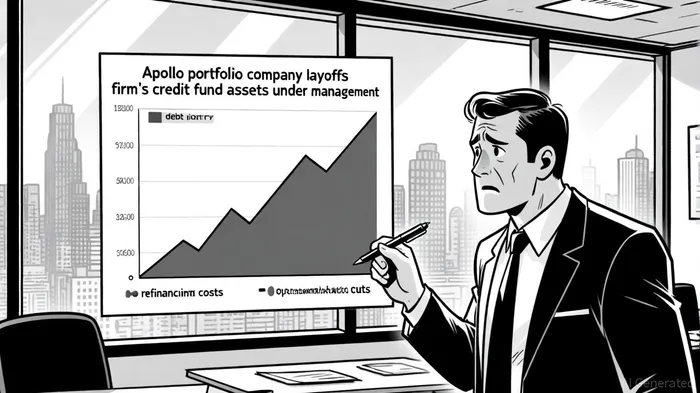
Apollo's strategic pivot to credit funds has amplified its exposure to interest rate volatility. According to a Bloomberg report, the firm's SPV-a vehicle designed to access cheaper insurance capital by selling highly rated debt against stakes in its credit funds-reflects a broader industry trend of leveraging non-traditional financing. However, this approach introduces systemic risks. For instance, BDO USA, a portfolio company with a $1.3 billion loan facility from Apollo, has resorted to layoffs and cost-cutting measures to service its 9% refinanced debt, as Bloomberg later detailed. This mirrors a sector-wide challenge: as private equity groups grapple with high debt loads amid rising interest rates, operational flexibility erodes.
Data from the Financial Times reveals that Apollo's portfolio companies are not isolated cases. Private equity-backed firms across industries are struggling to meet debt obligations, with some facing liquidity crises as refinancing becomes costlier. Apollo's SWOT analysis further highlights its overreliance on credit-related fee generation, a vulnerability that could amplify losses during economic downturns. While the firm has expanded private credit trading partnerships to syndicate investment-grade debt, these efforts may not offset the operational fragility now evident in its holdings.
Labor Disputes and Governance Risks
Beyond financial strain, Apollo's labor practices are drawing regulatory and reputational fire. At Cardenas Markets, a subsidiary of Heritage Grocers, employees filed sexual harassment and retaliation complaints with the California Civil Rights Department, followed by a class-action lawsuit over meal and break violations, according to a Pestakeholder.org report. Notably, Apollo has not intervened to mediate union negotiations, despite publicly advocating for workers' rights to collective bargaining. Similarly, at Tony's Fresh Markets, anti-union campaigns-conducted by consultants like People Results-have sown distrust among employees, culminating in a union election loss in March 2025, as detailed in the Pestakeholder.org report.
These incidents highlight a disconnect between Apollo's stated workforce principles and its operational reality. As stated by the Pestakeholder.org report, such labor disputes pose direct risks to investor returns by inflating legal costs and eroding brand value. The firm's leadership transitions and underinvestment in talent development further exacerbate these risks, as succession gaps could hinder its ability to address emerging challenges like AI-driven labor analytics, according to the SWOT analysis.
Corporate Resilience and Investor Implications
Apollo's current trajectory raises questions about its capacity to balance short-term financial gains with long-term corporate resilience. While its SPV strategy offers access to cheaper capital, it also deepens reliance on opaque financing mechanisms that could backfire during market stress. For investors, the firm's exposure to high-debt portfolio companies and labor controversies suggests a need for rigorous due diligence.
Conclusion
Apollo's 2025 challenges illustrate the fragility of LBO models when debt pressures and labor vulnerabilities converge. While the firm's strategic diversification into private credit and AI-driven analytics is commendable, its operational and governance shortcomings remain unresolved. For investors, the lesson is clear: corporate resilience in the private equity sector demands not only financial prudence but also a commitment to ethical labor practices and transparent governance.





Comentarios
Aún no hay comentarios