
Lenovo's Strategic Advantage in the AI-Driven Memory Chip Shortage
Supply Chain Resilience: A Foundation for Stability
Lenovo's supply chain strategy is anchored in long-term partnerships with upstream suppliers, a move that CEO Yang Yuanqing has described as critical to outmaneuvering competitors in the current climate. By locking in memory chip supplies through these agreements, the company mitigates the risk of price volatility and production delays. This approach is particularly vital as global chipmakers redirect capacity toward high-bandwidth memory for AI servers, tightening the supply of conventional chips used in consumer electronics.
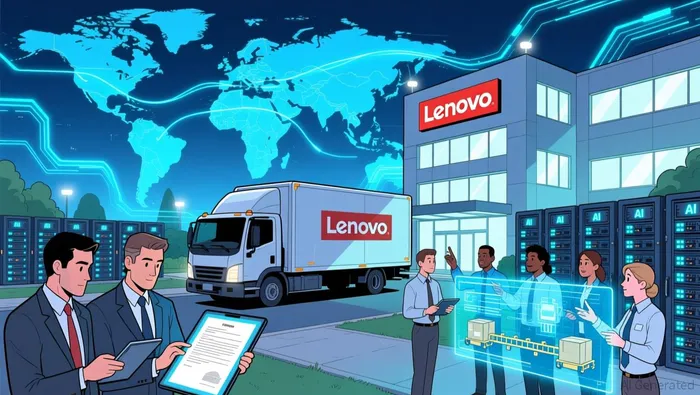
The effectiveness of this strategy is evident in Lenovo's financial performance. Despite rising memory costs, the company reported a 5% year-on-year revenue increase for its July–September 2025 quarter, with its PC, tablet, and smartphone divisions accounting for over 70% of total revenue. Yang's confidence in maintaining stable profitability underscores the success of these supply chain safeguards. Furthermore, Lenovo's supplier diversification efforts-part of a broader response to trade tensions and geopolitical risks-have reduced its exposure to regional bottlenecks, ensuring continuity in production and delivery.
Pricing Power in a Fragmented Market
The memory chip shortage has created a fragmented tech sector characterized by price volatility and shifting demand. Lenovo's strategic use of long-term contracts not only secures supply but also grants it pricing flexibility. As Yang noted, adjusting prices-whether upward or downward-is a natural tool to balance cost fluctuations. This agility allows the company to maintain competitive pricing for end consumers while preserving margins.
The payoff is clear: Lenovo's digital infrastructure group, which includes AI servers, saw a 24% revenue increase in Q2 2025. This growth reflects the company's ability to pivot toward high-margin AI-driven products while maintaining its core hardware business. By stabilizing its input costs, Lenovo can allocate resources to innovation, such as its "hybrid AI" strategy, which integrates AI capabilities into consumer and enterprise devices.
Competitive Advantages Beyond the Supply Chain
While supply chain resilience is a cornerstone of Lenovo's strategy, its competitive edge extends further. The company's financial resilience is highlighted by a 25% increase in adjusted net profit for shareholders, reaching US$512 million in the latest quarter. This profitability, coupled with its diversified product portfolio, enables Lenovo to invest in R&D and strategic acquisitions, reinforcing its position in the AI race.
Moreover, Lenovo's focus on AI infrastructure-such as its "personal AI super agent"-positions it to capitalize on the next phase of technological adoption. As enterprises and consumers increasingly demand AI-integrated solutions, the company's dual expertise in hardware and software will likely drive sustained growth.
Conclusion: A Model for Navigating Disruption
Lenovo's strategic advantages in the AI-driven memory chip shortage are a testament to its foresight and operational discipline. By securing supply chain stability through long-term contracts and supplier diversification, the company has insulated itself from the worst effects of the shortage. Its pricing agility and financial resilience further amplify its ability to thrive in a fragmented market. For investors, Lenovo's proactive approach offers a blueprint for navigating supply chain disruptions while capitalizing on the AI boom-a combination that is increasingly rare in today's volatile tech landscape.







Comentarios
Aún no hay comentarios