
Legal Risks in Biotech Investing: Lessons from the Jasper Therapeutics Lawsuit
Biotech investing has long been a double-edged sword: high potential for outsized returns, but equally high exposure to volatility, regulatory scrutiny, and legal risks. The recent class-action lawsuit against Jasper TherapeuticsJSPR--, Inc. (NASDAQ: JSPR) underscores how legal vulnerabilities can destabilize even companies with promising pipelines. For investors, the case offers a stark reminder of the importance of due diligence and portfolio resilience in an industry where scientific innovation often walks hand-in-hand with corporate accountability challenges.
The JasperJSPR-- Therapeutics Lawsuit: A Case Study in Legal Volatility
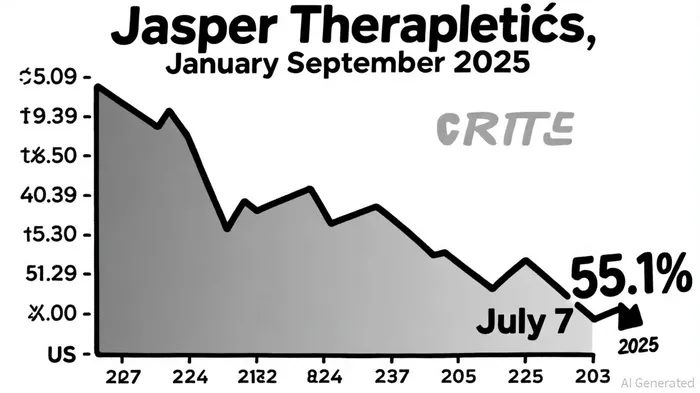
Jasper Therapeutics, a clinical-stage biopharmaceutical company, faces a class-action lawsuit alleging that it misled investors between November 2023 and July 2025 by failing to disclose critical manufacturing flaws in its lead product candidate, briquilimab [1]. The lawsuit claims the company knew its third-party manufacturers were not adhering to current Good Manufacturing Practices (cGMP), leading to confounded clinical trial results in the BEACON and ETESIAN studies [2]. These issues forced Jasper to halt one trial and triggered a 55.1% stock price drop on July 7, 2025, erasing $3.73 per share in value [3].
The allegations highlight a recurring theme in biotech: the interplay between operational transparency and investor trust. According to a report by Pomerantz Law Firm, the lawsuit argues that Jasper'sJSPR-- failure to disclose these manufacturing risks violated federal securities laws, leaving investors with a distorted view of the company's commercial prospects [4]. This case is now under the scrutiny of multiple law firms, including Pomerantz LLP, which has set a November 18, 2025, deadline for lead plaintiff appointments [1].
Legal Risks and Shareholder Value: A Biotech Investor's Dilemma
The Jasper case exemplifies how legal risks can rapidly erode shareholder value. Biotech companies often operate in a high-stakes environment where clinical trial outcomes and regulatory approvals are paramount. However, as this lawsuit demonstrates, operational missteps—particularly those involving compliance and third-party vendors—can have cascading effects on investor sentiment.
Data from Scott+Scott's analysis of the case reveals that Jasper's failure to enforce cGMP standards not only compromised its clinical data but also raised questions about its corporate governance [2]. For investors, this underscores the need to scrutinize not just a company's science but also its operational rigor. A single manufacturing oversight can derail years of progress, as Jasper's stock price collapse illustrates.
Building Portfolio Resilience: Strategies for Navigating Legal Volatility
For investors seeking to mitigate legal risks in biotech, the Jasper Therapeutics case offers several lessons:
Diversification Across Legal and Operational Risk Profiles: Avoid overconcentration in companies with opaque supply chains or limited regulatory track records. Jasper's reliance on third-party manufacturers without adequate oversight highlights the importance of evaluating a firm's operational controls.
Active Monitoring of Regulatory and Legal Developments: Legal risks often emerge from regulatory noncompliance. Investors should track FDA inspections, manufacturing alerts, and class-action filings to identify red flags early.
Hedging Through Derivatives or Short-Term Instruments: While speculative, options strategies or short-term bonds can offset potential losses from legal shocks. Jasper's 55.1% drop suggests that even well-positioned biotechs are vulnerable to sudden legal disclosures.
Engaging with Legal Counsel and Analysts: Partnering with legal experts or following law firm alerts (e.g., Pomerantz or Robbins LLP) can provide early warnings about potential litigation risks [4].
Conclusion: Legal Risk as a Core Component of Biotech Due Diligence
The Jasper Therapeutics lawsuit is a cautionary tale for biotech investors. It demonstrates that legal risks are not abstract threats but concrete challenges that can materialize overnight, devastating shareholder value. For a sector built on innovation, resilience requires more than scientific promise—it demands rigorous legal and operational scrutiny.
As the biotech landscape evolves, investors must treat legal risk assessment as a non-negotiable part of their due diligence. The lessons from Jasper's case are clear: transparency, compliance, and proactive risk management are not just corporate responsibilities but investor imperatives.





Comentarios
Aún no hay comentarios