
The Legal and Market Implications of V.F. Corporation's Class Action Lawsuit
A Recipe for Disaster: The Vans Brand and Misleading Narratives
The lawsuit alleges that VFCVFC-- misled investors by downplaying the dire state of its Vans brand and failing to disclose the "reset actions" needed to revive its performance. According to a report by Berger Montague, the company's internal restructuring and deliberate revenue reductions-unannounced until May 21, 2025-resulted in a 20% drop in Vans revenue for Q4 2025, a steep decline from the 8% loss in the prior quarter, as Morningstar's Wednesday Deadline notes. This revelation triggered a 15.8% plunge in VFC's stock price, a gut punch for shareholders who had been lulled by optimistic forecasts, as Morningstar's Expanded Class Period Notification reports.
The timeline of the alleged misconduct is particularly damning. The class period spans from October 2022 to May 2025, with some sources narrowing it to October 2023, as Morningstar's Expanded Class Period Notification notes. This suggests a pattern of prolonged misrepresentation, not an isolated error. As stated by Glancy Prongay & Murray LLP, the lawsuit claims VFC's "positive statements about its business and operations were materially misleading," as Marketscreener's VFC Shareholders Announcement reports.
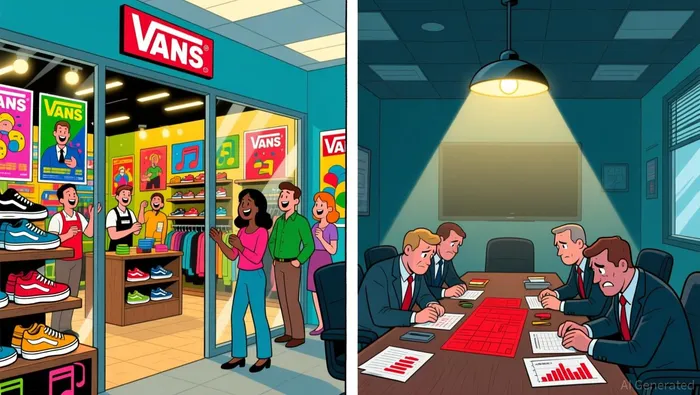
Governance Structure: Committees, But No Clarity
VFC's corporate governance includes robust committees-Audit, Governance and Corporate Responsibility, and Talent and Compensation-yet these structures failed to prevent the alleged fraud. Richard T. Carucci, a board member involved in multiple committees, is highlighted in the company's governance disclosures, as VFC's Corporate Governance notes. However, the lawsuit implies that these oversight mechanisms either overlooked or enabled the misrepresentations.
The disconnect between governance frameworks and real-world execution is a red flag. As noted by DJS Law Group, VFC allegedly overstated its ability to predict revenue growth while downplaying risks like seasonality and operational challenges, as GlobeNewswire's DJS Law Group Alert reports. This suggests a culture where transparency took a backseat to short-term optimism.
Systemic Risks: Beyond Vans
While the lawsuit is centered on Vans, broader governance issues emerge. A report by Levi & Korsinsky points to VFC's history of "misrepresentations regarding its turnaround strategy," indicating a pattern of behavior, as Marketscreener's VFC Lawsuit Alert notes. Even outside the Vans context, the company's financial forecasting practices came under scrutiny for lacking a "reliable data foundation," as GlobeNewswire's DJS Law Group Alert notes. These systemic flaws raise questions about whether VFC's leadership prioritized shareholder communication or strategic candor.
Market Implications: A Trust Deficit
The fallout from this lawsuit isn't just legal-it's existential for VFC's market position. The 15.8% stock drop on May 21, 2025, reflects investor panic and a loss of confidence, as Morningstar's Wednesday Deadline notes. If the case proceeds to trial, VFC could face hefty settlements and reputational damage that ripple across its portfolio. Moreover, the lawsuit amplifies scrutiny on other apparel retailers with similar turnaround narratives, making VFC a cautionary tale for the sector.
Conclusion: Proceed with Caution
For investors, the message is clear: VFC's governance and transparency risks are no longer abstract. The lawsuit highlights a leadership that may have prioritized short-term gains over long-term trust. While the company's restructuring efforts might eventually stabilize Vans, the damage to its credibility is profound. Until VFC demonstrates a commitment to radical transparency-starting with full disclosure of its legal and operational challenges-this stock remains a high-risk bet.





Comentarios
Aún no hay comentarios