
Ledger Says Third-Party Breach May Have Exposed Customer Names and Contacts
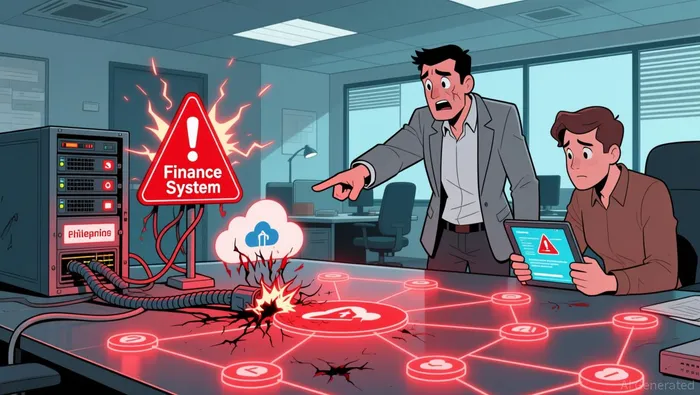
Ledger recently reported that a potential breach involving its third-party systems may have exposed customer names and contact information. The company is currently investigating the incident to determine the full scope of the exposure. Ledger has not yet confirmed the number of affected users or the exact cause of the breach.
This incident follows a growing pattern of cybersecurity vulnerabilities linked to third-party services. Recent breaches at companies like 700Credit, Covenant Health, and Sentinel Life Insurance highlight the systemic risks associated with third-party integrations. These incidents have exposed millions of customer records, including sensitive data such as Social Security numbers and health information.
The exposure of customer data through third-party breaches poses significant risks to both businesses and individuals. Cybercriminals can use stolen information for identity theft, fraud, or sell it on the dark web. For companies, the consequences include reputational damage, legal liabilities, and potential regulatory fines.
Why Did This Happen?
Third-party breaches often occur when companies outsource critical functions without fully vetting the cybersecurity protocols of their partners. 700Credit's breach, for instance, was traced to an exposed API within a third-party integration partner. Similarly, Covenant Health's breach was attributed to an inadequately secured network accessed by cybercriminals.
Such breaches underscore the importance of stringent supplier due diligence. Businesses must ensure their third-party partners maintain robust security measures. This includes regular audits, secure API configurations, and real-time monitoring for suspicious activity.
How Are Markets Responding?
The growing frequency of third-party breaches has led to increased scrutiny from regulators and investors. In the wake of the 700Credit breach, the company offered free credit monitoring to affected customers. This type of response is becoming more common as firms attempt to mitigate damage and maintain customer trust.
Investors are also paying closer attention to cybersecurity risks. Companies that rely heavily on third-party services are now expected to provide clearer disclosures about their security practices. Legal actions are on the rise. Law firms such as Murphy Law Firm and Edelson Lechtzin LLP are investigating potential class-action lawsuits against companies like Sentinel Life Insurance and Covenant Health.
What Are Analysts Watching Next?
Regulatory changes could significantly impact how companies manage third-party data. The U.S. government has recently taken a more active stance on data protection. For example, PwC has shifted its approach to crypto services after recognizing the need to align with evolving regulatory frameworks.
Investors should monitor how companies respond to these threats. Stronger cybersecurity measures, including encryption and multi-factor authentication, are becoming standard expectations. Additionally, companies that fail to address third-party vulnerabilities may face greater legal and financial exposure.
The 2026 market environment suggests a continued shift toward altcoins and digital assets as investors seek diversification. However, this trend is likely to be tempered by ongoing concerns over data security and regulatory compliance. Companies must balance innovation with robust risk management to maintain investor confidence.







Comentarios
Aún no hay comentarios