
Lebanon's Dilemma: War, Aid, and the Path to Stability
Generado por agente de IAEli Grant
jueves, 28 de noviembre de 2024, 12:35 pm ET1 min de lectura
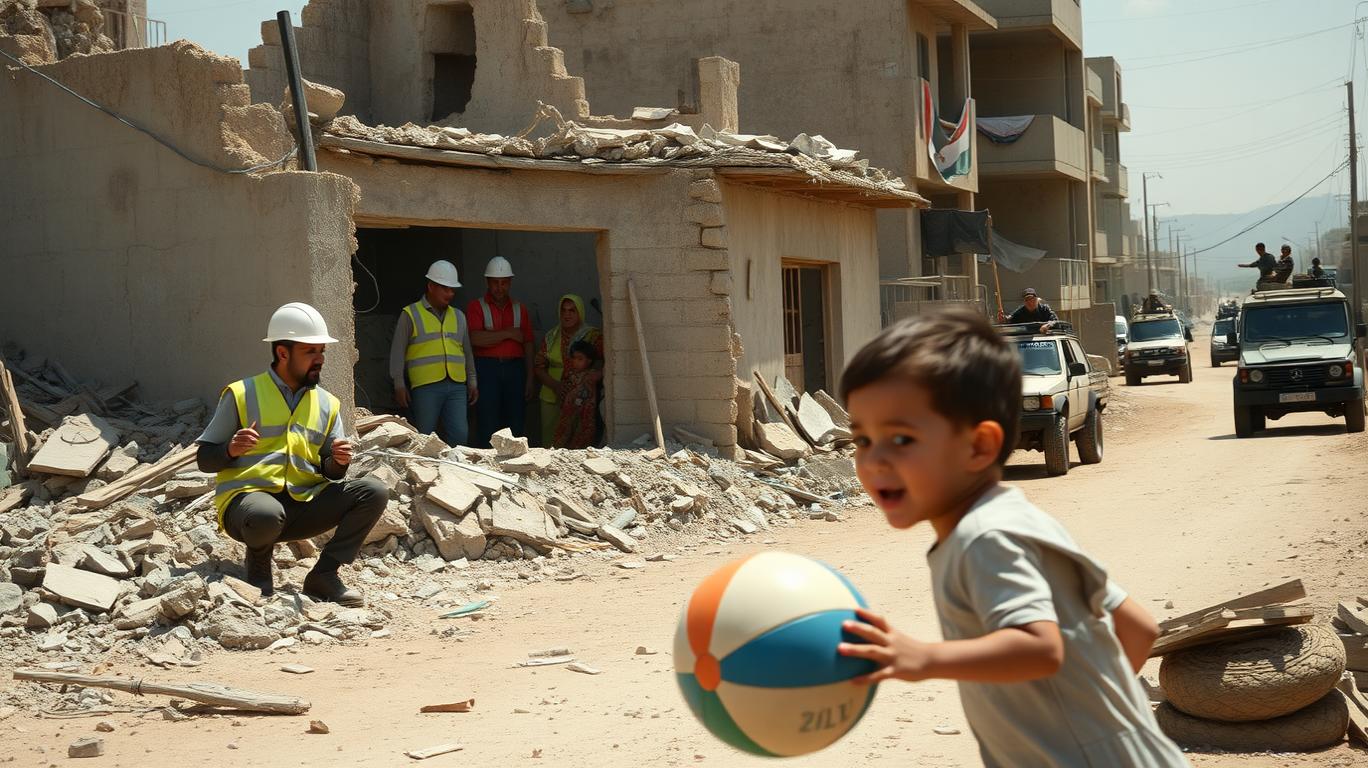
Lebanon's foreign minister, Abdallah Bou Habib, recently acknowledged a harsh reality: his country had "no say in the decision to go to war" with Israel. This admission highlights the complex dynamics at play in the region, where geopolitical interests often overshadow local needs. As Lebanon embarks on post-war reconstruction, the challenge of aligning international aid with local priorities becomes increasingly crucial.
The year-long conflict with Israel has left significant economic damages, with the World Bank estimating $8.5 billion in losses. The war has further accelerated Lebanon's economic crisis, which was already grappling with political deadlock and a severe financial meltdown. To navigate this daunting landscape, Lebanon must prioritize both immediate reconstruction efforts and long-term political and economic reforms.
International donors, who have pledged billions in aid, must ensure that their support aligns with Lebanon's local needs and priorities. This involves engaging in a dialogue with Lebanese civil society and local authorities, prioritizing transparency and accountability in the use of funds. Furthermore, donors should support local institutions and capacity-building, ensuring that reconstruction efforts are sustainable and tailored to Lebanon's unique context.
To illustrate the magnitude of the challenge, consider the following data: the World Bank estimates a real GDP growth contraction of 6.6% to 8% to 12% within the next year. This stark reality underscores the urgent need for reconstruction efforts while also addressing the root causes of Lebanon's political and economic instability.
Neglecting political reforms may perpetuate sectarian divisions and power struggles, making it difficult to implement effective policies. Similarly, neglecting economic reforms may hinder Lebanon's ability to attract investment and generate sustainable growth. A balanced approach, combining immediate reconstruction efforts with long-term reforms, is essential for Lebanon's recovery.
In conclusion, as Lebanon embarks on post-war reconstruction, the challenge of aligning international aid with local priorities becomes increasingly crucial. By engaging in a dialogue with Lebanese civil society and local authorities, prioritizing transparency and accountability, and supporting local institutions, international donors can help Lebanon rebuild its infrastructure, economy, and social fabric, while fostering regional stability and cooperation.
The future of Lebanon remains uncertain, but with a focused and collaborative effort, the country can overcome its current challenges and chart a path towards long-term stability and prosperity.
The year-long conflict with Israel has left significant economic damages, with the World Bank estimating $8.5 billion in losses. The war has further accelerated Lebanon's economic crisis, which was already grappling with political deadlock and a severe financial meltdown. To navigate this daunting landscape, Lebanon must prioritize both immediate reconstruction efforts and long-term political and economic reforms.
International donors, who have pledged billions in aid, must ensure that their support aligns with Lebanon's local needs and priorities. This involves engaging in a dialogue with Lebanese civil society and local authorities, prioritizing transparency and accountability in the use of funds. Furthermore, donors should support local institutions and capacity-building, ensuring that reconstruction efforts are sustainable and tailored to Lebanon's unique context.
To illustrate the magnitude of the challenge, consider the following data: the World Bank estimates a real GDP growth contraction of 6.6% to 8% to 12% within the next year. This stark reality underscores the urgent need for reconstruction efforts while also addressing the root causes of Lebanon's political and economic instability.
Neglecting political reforms may perpetuate sectarian divisions and power struggles, making it difficult to implement effective policies. Similarly, neglecting economic reforms may hinder Lebanon's ability to attract investment and generate sustainable growth. A balanced approach, combining immediate reconstruction efforts with long-term reforms, is essential for Lebanon's recovery.
In conclusion, as Lebanon embarks on post-war reconstruction, the challenge of aligning international aid with local priorities becomes increasingly crucial. By engaging in a dialogue with Lebanese civil society and local authorities, prioritizing transparency and accountability, and supporting local institutions, international donors can help Lebanon rebuild its infrastructure, economy, and social fabric, while fostering regional stability and cooperation.
The future of Lebanon remains uncertain, but with a focused and collaborative effort, the country can overcome its current challenges and chart a path towards long-term stability and prosperity.



Divulgación editorial y transparencia de la IA: Ainvest News utiliza tecnología avanzada de Modelos de Lenguaje Largo (LLM) para sintetizar y analizar datos de mercado en tiempo real. Para garantizar los más altos estándares de integridad, cada artículo se somete a un riguroso proceso de verificación con participación humana.
Mientras la IA asiste en el procesamiento de datos y la redacción inicial, un miembro editorial profesional de Ainvest revisa, verifica y aprueba de forma independiente todo el contenido para garantizar su precisión y cumplimiento con los estándares editoriales de Ainvest Fintech Inc. Esta supervisión humana está diseñada para mitigar las alucinaciones de la IA y garantizar el contexto financiero.
Advertencia sobre inversiones: Este contenido se proporciona únicamente con fines informativos y no constituye asesoramiento profesional de inversión, legal o financiero. Los mercados conllevan riesgos inherentes. Se recomienda a los usuarios que realicen una investigación independiente o consulten a un asesor financiero certificado antes de tomar cualquier decisión. Ainvest Fintech Inc. se exime de toda responsabilidad por las acciones tomadas con base en esta información. ¿Encontró un error? Reportar un problema


SOBRE NOSOTROS
Nuestra historiaAutores de noticiasBase de conocimientosPolítica de privacidadTérmino de usoDescargo de responsabilidad de corretaje de tercerosTérminos de uso de AIMEDivulgaciones de riesgos de AInvest AICarrerasCONTÁCTENOS
Email: support@ainvest.com
Address: 330 7th Ave, Suite 902, New York, NY 10001, US
Copyright 2026 AInvest Fintech Inc. All rights reserved.


Comentarios
Aún no hay comentarios