
Leadership Health and Market Volatility: The Unseen Thread in Geopolitical Risk
The stock market has always been a barometer of uncertainty, and few uncertainties are as potent-or as underappreciated-as the health of those in power. From Franklin D. Roosevelt's polio diagnosis to Theodore Roosevelt's 1912 assassination attempt, U.S. presidential health events have historically shaped policy consistency and investor sentiment in ways that ripple through financial markets. Today, as geopolitical risks mount and leadership transitions grow more frequent, understanding this dynamic is critical for investors navigating volatility.
Historical Precedents: Health as a Policy Catalyst
Franklin D. Roosevelt's 1921 polio diagnosis offers a masterclass in how personal health crises can redefine public policy. Despite his paralysis, FDR leveraged his condition to galvanize support for the March of Dimes, a campaign that funded polio research and infrastructure for the disabled. His New Deal policies, which included the Works Progress Administration (WPA) and Federal Deposit Insurance Corporation (FDIC), were deeply influenced by his empathy for marginalized groups and his belief in collective action. According to a report by National Affairs, FDR's initiatives not only stabilized the economy during the Great Depression but also laid the groundwork for long-term public health infrastructure, demonstrating how leadership health can indirectly shape policy durability.
Contrast this with Theodore Roosevelt's 1912 shooting, where the bullet that grazed his chest became a symbol of his indomitable will. As detailed in a PMC study, Roosevelt's refusal to cancel his speech after being wounded reinforced his image as a resilient leader, bolstering public confidence in his Progressive Party's platform, which included early health reform proposals like national health insurance. Though his third-party campaign failed, the episode underscored how health-related narratives can influence political momentum-and by extension, policy continuity.
Investor Sentiment and the "Fear Gauge"
While historical cases highlight the policy implications of health events, modern investors must grapple with their impact on market volatility. The CBOE Volatility Index (VIX), often dubbed the "fear gauge," has repeatedly spiked during periods of political uncertainty. For instance, during the 2016 U.S. presidential election, the VIX surged to 27.5 as markets grappled with the unpredictability of the outcome, reflecting heightened investor anxiety over potential policy shifts, as shown in a ScienceDirect analysis. Though no direct studies link presidential health events to VIX spikes, the broader principle holds: any disruption to leadership stability-whether through illness, assassination, or scandal-can amplify uncertainty and drive volatility.
Recent examples reinforce this. In 2025, UnitedHealth Group's stock plummeted 45% year-to-date amid leadership turmoil, including the abrupt departure of CEO Andrew Witty and the return of Stephen Hemsley. As noted in a Sentiment-Trading analysis, such leadership changes-often tied to health or personal controversies-trigger investor skepticism, exacerbating sector-specific volatility. While not presidential, this case illustrates how health-related leadership instability can erode trust and destabilize markets.
Geopolitical Risk and the Modern Investor
Today's geopolitical landscape adds another layer of complexity. A study in The Lancet Americas warns that recent federal health policy rollbacks-such as cuts to Medicaid and the Affordable Care Act-have weakened public health infrastructure, creating long-term vulnerabilities, according to Pitt Public Health. If a future president's health crisis coincides with a pandemic or global shock, the resulting policy fragmentation could amplify market jitters. Investors must also consider how health disclosures (or their absence) influence perceptions of leadership competence. Polling data from TradeEngine reveals that 72% of Americans demand legally mandated health screenings for sitting presidents, underscoring how transparency-or its lack-can sway sentiment.
Navigating the Risks: A Cramer-Style Playbook
For investors, the lesson is clear: diversify across sectors and geographies while maintaining a buffer for unexpected shocks. Defensive sectors like healthcare and utilities often outperform during volatility, as seen in the 2020 pandemic. Additionally, hedging with VIX-linked ETFs or options can provide downside protection during periods of political uncertainty. As FDR's New Deal and TR's Progressive reforms show, leadership health crises can also create long-term opportunities-whether in public health innovation or policy-driven market shifts.
In the end, markets thrive on predictability. When that predictability falters-due to a president's undisclosed condition, a sudden leadership change, or a global health crisis-investors must stay nimble. After all, as history teaches us, the most resilient portfolios are those that anticipate the unseen threads tying leadership health to market volatility.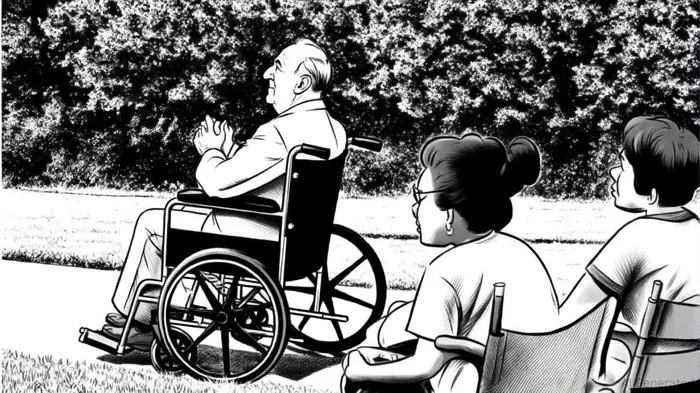







Comentarios
Aún no hay comentarios