
When Laws Collide with Executive Orders: The Investment Implications of 2025’s Political Turbulence
The year 2025 has been marked by a surge in executive orders (EOs) from the White House, many of which have sparked legal and political firestorms. From targeting law firms to reshaping trade policies and immigration rules, these actions have created both opportunities and risks for investors. Let’s dissect the key moves and their market repercussions.
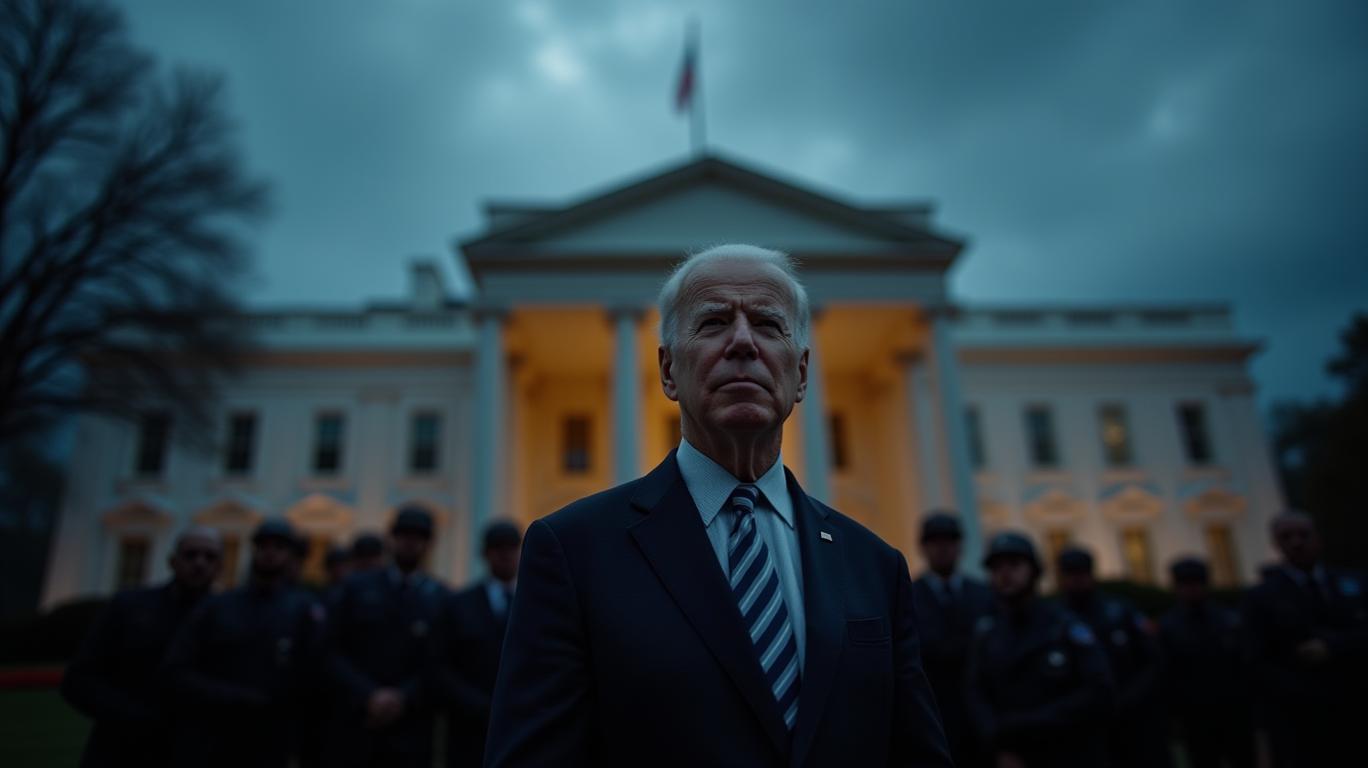
1. Targeted Actions Against Law Firms: A Blow to Legal Services?
The administration’s crackdown on firms like Jenner & BlockXYZ-- and Paul Weiss has raised eyebrows. By suspending federal contracts and security clearances, these EOs aim to curb perceived partisan bias and national security risks. For investors, this signals a broader trend of targeting entities tied to opposition political agendas.
While direct impacts on publicly traded legal firms are limited (most major law firms are private), the ripple effects could extend to sectors reliant on federal contracts. Government contractors, such as defense firms like Lockheed Martin (LMT) or Boeing (BA), may face heightened scrutiny.
Investors should monitor any signs of delayed payments or contract cancellations, which could pressure these stocks.
2. Trade Policies: Tariffs and Turbulence in Global Markets
The 25% tariff on Venezuelan oil imports and the escalation of China tariffs to 20% highlight a shift toward protectionism. These moves, justified under the International Emergency Economic Powers Act (IEEPA), could spark retaliatory measures and disrupt global supply chains.
For energy investors, the Venezuelan tariff directly impacts oil majors like Chevron (CVX) and ExxonMobil (XOM). Meanwhile, the China tariffs threaten tech giants reliant on Chinese manufacturing, such as Apple (AAPL) or NVIDIA (NVDA).
The volatility here favors short-term traders, but long-term investors might consider hedging with inverse ETFs or commodities like gold.
3. Immigration and Election Policies: A Hit to Labor Markets?
The invocation of the Alien Enemies Act and stricter citizenship verification for voting rights could constrict labor pools in sectors like agriculture and tech. Undocumented workers are a critical part of industries such as Walmart (WMT) or Amazon (AMZN).
Restrictions on noncitizen participation in elections might also lead to litigation, creating uncertainty for states and local governments.
4. Government Restructuring: Winners and Losers in Bureaucracy Cuts
The dissolution of agencies like the U.S. Agency for Global Media and the creation of the Department of Government Efficiency (DOGE) reflect a push to consolidate power. While this could reduce costs for federal contractors, it risks disrupting programs funded by entities like the State Department or USAID, affecting NGOs and international aid firms.
Investors in government IT services, such as CACI International (CACI) or Leidos (LDOS), should watch for shifts in federal spending priorities.
5. Bitcoin Reserve: A Wild Card for Digital Assets
The EO mandating a Strategic Bitcoin Reserve is a bold move with unclear legal footing. While it might buoy Bitcoin’s price in the short term, long-term implications depend on regulatory clarity.
Speculators might dip into crypto ETFs like BITO, but the risks of a regulatory backlash remain high.
Conclusion: Navigating the Legal and Economic Crossroads
The 2025 EOs underscore a White House prioritizing unilateral action over legislative collaboration. Investors must balance short-term volatility with long-term structural shifts.
- Winners: Firms in sectors insulated from trade wars (e.g., healthcare, defense) and those benefiting from regulatory chaos (e.g., legal tech startups).
- Losers: Companies exposed to international supply chains or reliant on federal contracts.
The CBO’s 2025 fiscal report warns of a potential 0.5% GDP contraction due to trade disputes, while litigation risks could add 10–15% to legal firms’ operational costs.
In this climate, investors should favor defensive stocks, monitor geopolitical tensions closely, and stay agile—because in 2025, the law (or the lack thereof) is the market’s new frontier.






Comentarios
Aún no hay comentarios