
US Lawmakers Form Crypto Rules Working Group as Bitcoin Reserve Plan Gains Traction
US lawmakers form working group to draft crypto rules as Bitcoin reserve plan gains traction
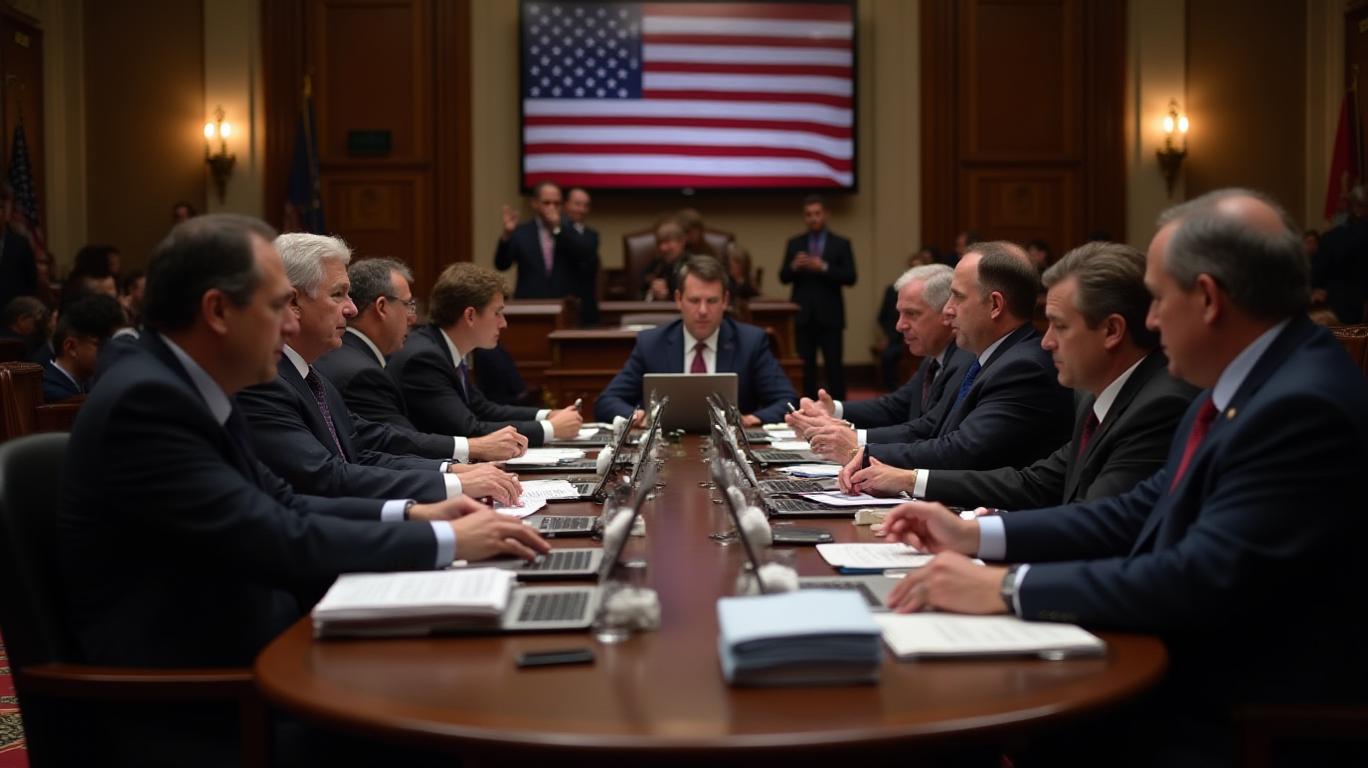
The US government is taking significant steps towards regulating the cryptocurrency industry and exploring the potential of a Bitcoin reserve. On Tuesday, US lawmakers announced the formation of a working group tasked with drafting a comprehensive regulatory framework for digital assets and stablecoins. This move comes as the Trump administration intensifies its focus on digital assets, with a particular interest in the strategic use of Bitcoin.
The working group, which includes representatives from the Treasury Department, Justice Department, SEC, and CFTC, will submit regulatory recommendations and potential legislative proposals within six months. This bipartisan effort signals a commitment to addressing the challenges and opportunities presented by the rapidly evolving cryptocurrency landscape.
In addition to the working group, the Trump administration is evaluating the creation of a national Bitcoin reserve. White House Crypto and AI Czar David Sacks confirmed that the internal working group in the administration will prioritize examining the feasibility of establishing a crypto stockpile. Although the proposal is in its early stages, it reflects the administration's strategic interest in positioning Bitcoin as part of the national economic landscape.
Lawmakers have been working to regulate stablecoins and digital assets for years, with recent momentum building in the Senate. Senator Bill Hagerty introduced a bill to establish a clear regulatory framework for stablecoins, including guidelines on whether issuers will be overseen by federal or state authorities. The House's forthcoming stablecoin legislation is expected to closely mirror the Senate's approach, signaling a path toward bipartisan cooperation.
The formation of the working group and the exploration of a Bitcoin reserve plan demonstrate the US government's commitment to engaging with the cryptocurrency industry and addressing the regulatory challenges it faces. As the cryptocurrency landscape continues to evolve, it is essential for policymakers to adapt and create a regulatory environment that fosters innovation while ensuring investor protection and market stability.





Comentarios
Aún no hay comentarios