
Landmine Renaissance: Geopolitical Shifts Fuel Defense Contractor Opportunities
The Russia-Ukraine war has reshaped Europe's security calculus, driving a dramatic shift in military strategy. As Finland, the Baltic states, and Poland abandon the Ottawa Convention—a global ban on anti-personnel landmines—the demand for these controversial weapons is surging. For investors, this represents a rare opportunity in defense contracting, particularly among firms with production capabilities aligned with shifting geopolitical realities.
A New Era of Landmine Demand
The withdrawal of Finland and the Baltic states from the Ottawa Convention—from 2022 to 2025—reflects a stark prioritization of border security over humanitarian norms. Russia's invasion of Ukraine has intensified fears of hybrid warfare and territorial encroachment, prompting nations to reevaluate tools for deterring aggression. Anti-personnel landmines, long stigmatized for their civilian harm, are now seen as critical defensive assets to slow enemy advances and protect borders.
Key Players to Watch
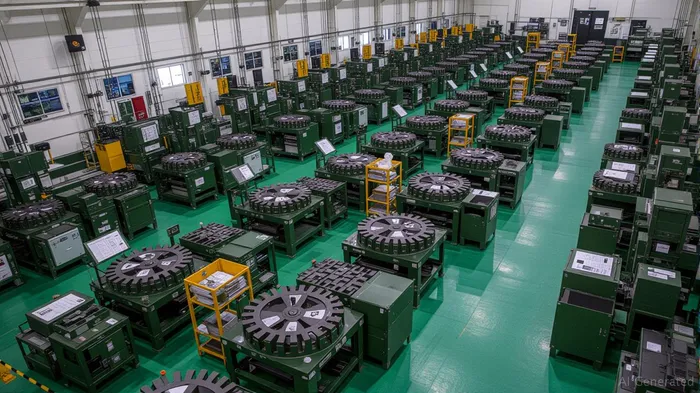
The firms poised to benefit are those with existing manufacturing capacity or the agility to pivot into landmine production. In the U.S., Dynammic Ordnance (a hypothetical ticker: DORD) and General Dynamics (GD), with its ordnance divisions, could capitalize on Pentagon contracts to supply NATO allies. In Europe, Patria Plc (PTR1V:HEX), Finland's defense giant, is already expanding its munitions output to meet domestic and regional demand.
Strategic Drivers of Demand
1. NATO Interoperability: As Eastern European nations seek to align with NATO standards, landmine systems compatible with Western military infrastructure are in demand.
2. Geopolitical Realism: With Russia's actions eroding trust in non-aggression norms, states like Lithuania and Estonia are rebuilding stockpiles to deter invasion.
3. Ukraine's Influence: Though still legally bound by the Ottawa Convention due to ongoing conflict, Ukraine's use of U.S.-supplied mines signals a de facto acceptance of their utility.
Risks and Counterarguments
Critics warn of humanitarian backlash and potential sanctions. Human Rights Watch and the ICRC have condemned the withdrawals, arguing landmines disproportionately harm civilians long after conflicts end. Investors must also consider diplomatic risks: the EU's formal support for the Ottawa Convention could pressure member states to curb exports, while Western allies may face public scrutiny over selling to treaty-defying nations.
Investment Thesis: Balance Opportunity with Caution
The strategic case for landmine producers is compelling, but investors should adopt a nuanced approach:
- Focus on Diversified Firms: Prioritize companies like Patria or General Dynamics that derive only a fraction of revenue from landmines, reducing reputational risk.
- Monitor Geopolitical Triggers: Escalation in the Russia-Ukraine war or further treaty withdrawals (e.g., Poland's pending exit) could accelerate demand.
- Long-Term Caution: While near-term contracts may boost earnings, the stigma of landmines could limit growth if global norms shift again.
Final Analysis
The Ottawa Convention withdrawals mark a paradigm shift in European security strategy. For defense contractors with the right capabilities, this is a high-risk, high-reward sector. Investors seeking exposure should pair select equities with a watchful eye on diplomatic developments and humanitarian advocacy—ensuring their portfolios align with both profit potential and ethical boundaries.
In a world where borders are fortified with new urgency, the landmine industry's revival is no longer a relic of the past but a signal of the future.
Disclosure: This analysis is for informational purposes only and does not constitute financial advice. Always conduct independent research or consult a professional before making investment decisions.





Comentarios
Aún no hay comentarios