
Land of Conflict: Navigating Investment Risks Amid India's Waqf Law Protests

The Law and Its Stakes
The Waqf (Amendment) Act 2025, which sparked violent protests leaving three dead, represents a seismic shift in India’s management of Muslim religious and charitable endowments. By transferring control of $14.2 billion worth of waqf properties—from mosques to agricultural land—to state governments, the law has ignited fears of systemic erosion of minority rights. The amendments’ provisions, such as centralized management and weakened safeguards against land seizures, threaten not only cultural heritageCASK-- but also the economic lifeline of communities reliant on waqf-managed assets.
Economic Implications: A Fragile Balance
Waqf properties, covering 900,000 hectares and 870,000 individual sites, are vital to India’s local economies. These assets generate income through commercial ventures, fund schools, and sustain livelihoods in regions like Murshidabad, where 25% of the population is Muslim. The law’s potential to destabilize this network could ripple through sectors like real estate and infrastructure.
The protests themselves have already disrupted trade in affected areas. A prolonged crisis could deter foreign and domestic investment in states like West Bengal, where industrial parks and infrastructure projects depend on social stability. Meanwhile, legal challenges to the law—such as petitions before the Calcutta High Court—add layers of uncertainty for investors.
Political Dynamics: A Catalyst for Polarization
The law has become a flashpoint in India’s deepening communal divide. Prime Minister Narendra Modi’s government frames it as a reform to combat corruption, but critics, including opposition leaders and civil society groups, see it as part of a broader Hindu nationalist agenda. West Bengal’s Chief Minister Mamata Banerjee, refusing to implement the law, has accused the central government of “land grabbing,” mirroring accusations of Modi’s “Bulldozer Raj” policies.
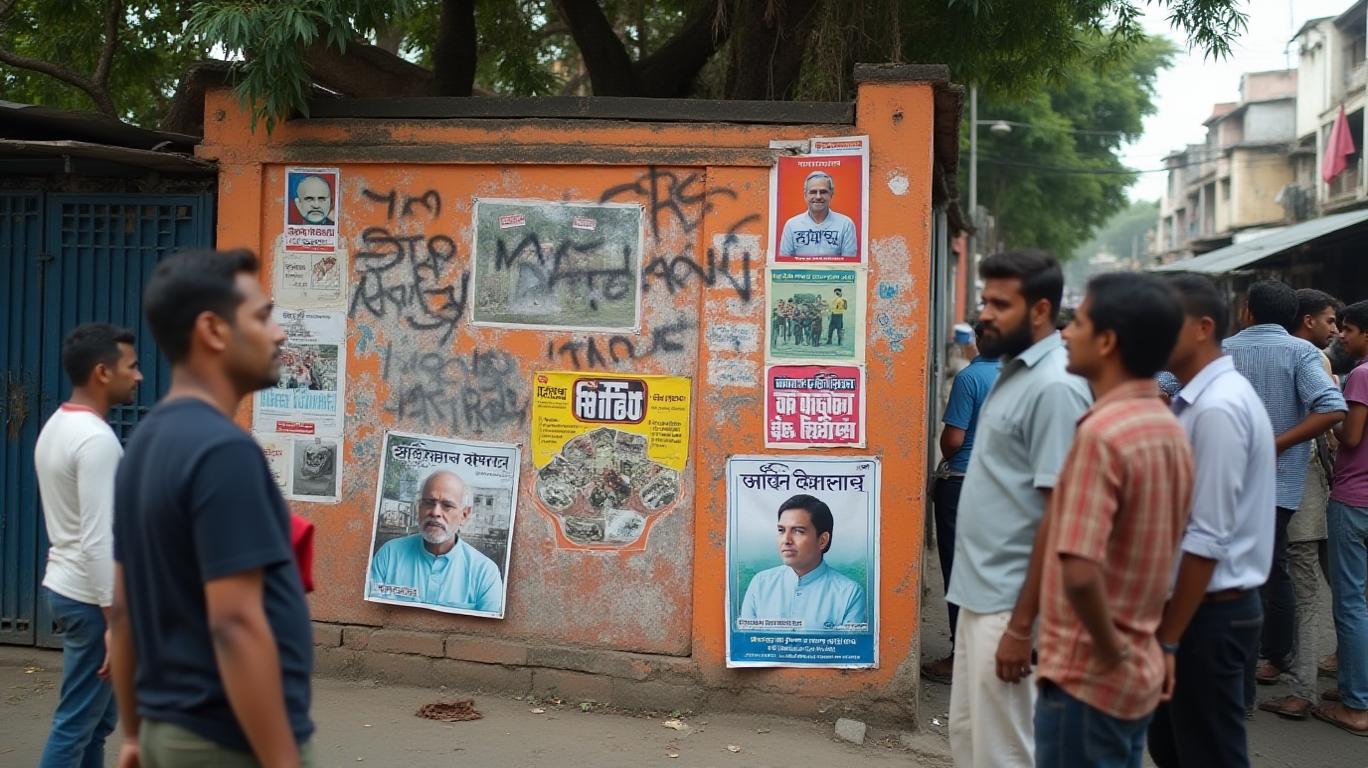
This political tension introduces regulatory risks for investors. Companies operating in regions with communal strife may face supply chain disruptions or reputational damage. Sectors such as retail and hospitality, which rely on consumer confidence, could suffer if protests escalate.
Investment Risks and Opportunities
The Waqf Act protests underscore three critical risks:
1. Sectoral Vulnerabilities: Real estate and infrastructure projects in conflict zones may face delays or cancellations.
2. ESG Backlash: Global investors prioritizing ESG criteria may reassess exposure to firms benefiting from controversial land acquisitions.
3. Currency and Equity Volatility: Political instability could pressure the rupee and Indian equity indices.
However, opportunities exist for agile investors.
- Legal and Security Sectors: Firms providing dispute resolution services or private security may see demand rise amid litigation over land rights.
- Renewable Energy: Remote regions with underdeveloped infrastructure could attract green energy projects if land disputes are resolved favorably.
- Consumer Staples: Defensive sectors might outperform in times of economic uncertainty.
Conclusion: A Crossroads for Governance and Growth
The Waqf Act protests reveal India’s fragile equilibrium between economic ambition and social cohesion. With over $14 billion in assets at risk and communal tensions flaring, the law’s long-term impact hinges on how effectively the government balances reform with minority rights.
Investors must heed the data:
- Waqf properties represent 1.5% of India’s total land area, critical for local economies.
- The real estate sector contributed 6.5% to India’s GDP in 2023, yet growth slowed to 4.2% amid regulatory uncertainty.
- Historical data shows that periods of communal violence correlate with a 2–3% dip in consumer sentiment indices.
The path forward is fraught with risk. While the law may unlock “underutilized” land for development, its execution could amplify instability. Investors are advised to monitor legal outcomes, engage in ESG due diligence, and prioritize sectors insulated from sociopolitical volatility. In a nation where land is both a resource and a symbol, the stakes for India’s economy—and its soul—are towering.







Comentarios
Aún no hay comentarios