
LA Wildfires Highlight Nation's Insurance Crisis as Homeowners Struggle to Rebuild
Generado por agente de IAHarrison Brooks
miércoles, 5 de febrero de 2025, 12:52 am ET2 min de lectura
AP--
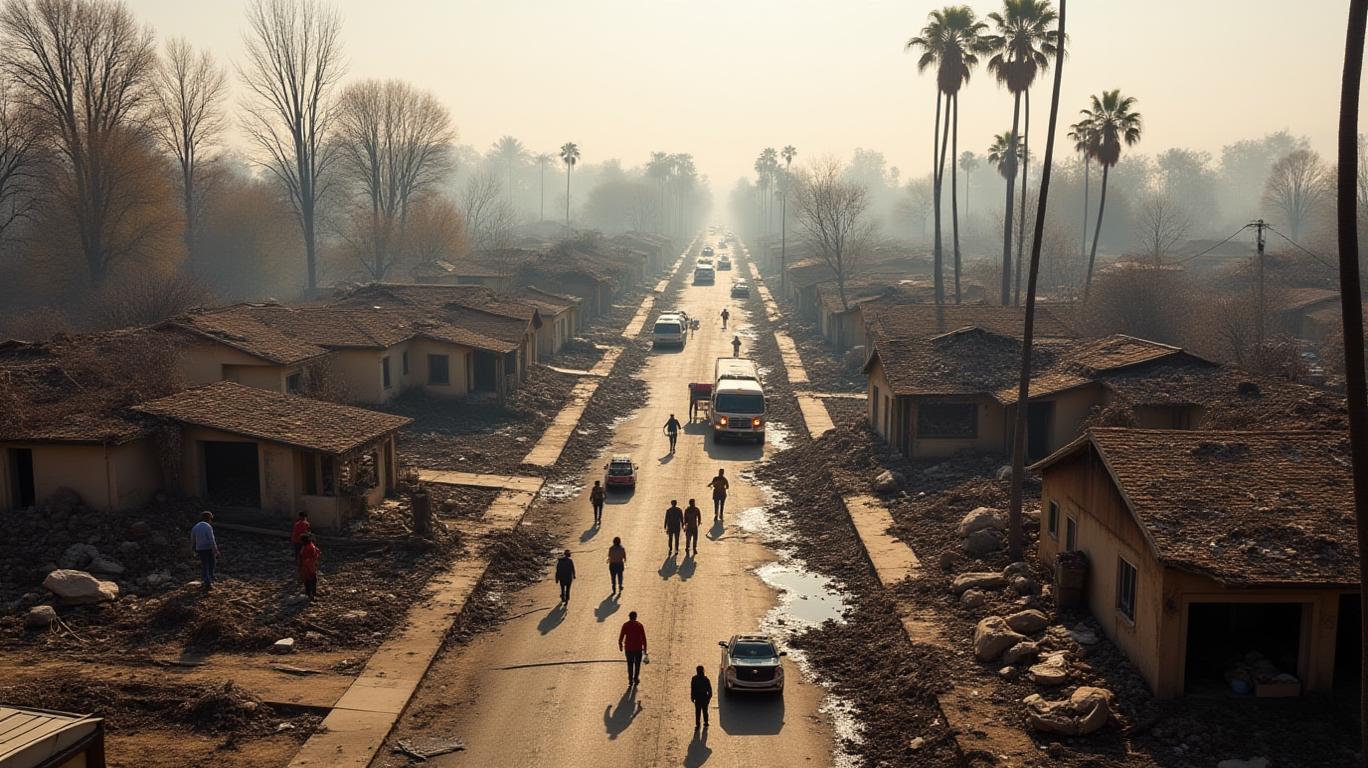
The recent wildfires in Los Angeles, such as the Eaton and Palisades fires, have not only devastated thousands of homes and lives but also highlighted the nation's growing home insurance crisis. As Californians begin the long road to rebuilding, the stark contrast between the fortunes of homeowners with private insurance and those relying on the California Fair Access to Insurance Requirements (FAIR) Plan has become increasingly apparent.
Louise Hamlin and Chris Wilson, neighbors in Altadena, experienced firsthand the unequal recovery faced by homeowners with different insurance coverage. Hamlin, who had private insurance with Mercury Insurance, received nearly a million dollars in payouts and is searching for contractors to rebuild her house. In contrast, Wilson, who was forced onto the FAIR Plan after his private insurer declined to renew his policy, will receive a fraction of what he needs to rebuild his home and is contemplating loans, lawsuits, and moving his family out of California (AP, 2025).
The FAIR Plan, designed as a last resort for homeowners who cannot find private insurance, has seen its residential policies more than double between 2020 and 2024, reaching nearly 452,000 policies (AP, 2025). However, FAIR Plan policies have higher premiums and less coverage than private insurance, making it more challenging for homeowners to rebuild after a wildfire. Wilson paid about 60% more in premiums related to the fire than Hamlin, yet he is slated to receive less than half the coverage (AP, 2025).
Insurance companies have responded to the increasing wildfire risk in California by implementing various strategies to mitigate their financial exposure. These strategies include raising premiums, restricting coverage, and in some cases, exiting the market altogether. In 2023, seven of the 12 largest insurance companies by market share either paused or restricted issuing new policies in the state (AP, 2025). State Farm, the state's largest home insurer, announced in March 2024 that it would not renew 72,000 property insurance policies, while Chubb and its subsidiaries stopped writing new high-value homes with higher wildfire risk (AP, 2025).
The increasing number of claims from the Los Angeles area fires could potentially push the FAIR Plan into insolvency. While the FAIR Plan has payment mechanisms in place, including reinsurance, to ensure all covered claims are paid, the sheer scale of the recent wildfires could strain the plan's resources (AP, 2025). This could lead to further disruption in the insurance market and exacerbate the home insurance crisis in California.
The unequal recovery faced by homeowners with different insurance coverage, combined with the increasing wildfire risk and the strategies implemented by insurance companies, has exacerbated the existing home insurance crisis in California. As homeowners struggle to rebuild their lives and homes, the nation must address the underlying issues contributing to this crisis and work towards a more equitable and sustainable insurance market.
Word count: 598
ETN--
The recent wildfires in Los Angeles, such as the Eaton and Palisades fires, have not only devastated thousands of homes and lives but also highlighted the nation's growing home insurance crisis. As Californians begin the long road to rebuilding, the stark contrast between the fortunes of homeowners with private insurance and those relying on the California Fair Access to Insurance Requirements (FAIR) Plan has become increasingly apparent.
Louise Hamlin and Chris Wilson, neighbors in Altadena, experienced firsthand the unequal recovery faced by homeowners with different insurance coverage. Hamlin, who had private insurance with Mercury Insurance, received nearly a million dollars in payouts and is searching for contractors to rebuild her house. In contrast, Wilson, who was forced onto the FAIR Plan after his private insurer declined to renew his policy, will receive a fraction of what he needs to rebuild his home and is contemplating loans, lawsuits, and moving his family out of California (AP, 2025).
The FAIR Plan, designed as a last resort for homeowners who cannot find private insurance, has seen its residential policies more than double between 2020 and 2024, reaching nearly 452,000 policies (AP, 2025). However, FAIR Plan policies have higher premiums and less coverage than private insurance, making it more challenging for homeowners to rebuild after a wildfire. Wilson paid about 60% more in premiums related to the fire than Hamlin, yet he is slated to receive less than half the coverage (AP, 2025).
Insurance companies have responded to the increasing wildfire risk in California by implementing various strategies to mitigate their financial exposure. These strategies include raising premiums, restricting coverage, and in some cases, exiting the market altogether. In 2023, seven of the 12 largest insurance companies by market share either paused or restricted issuing new policies in the state (AP, 2025). State Farm, the state's largest home insurer, announced in March 2024 that it would not renew 72,000 property insurance policies, while Chubb and its subsidiaries stopped writing new high-value homes with higher wildfire risk (AP, 2025).
The increasing number of claims from the Los Angeles area fires could potentially push the FAIR Plan into insolvency. While the FAIR Plan has payment mechanisms in place, including reinsurance, to ensure all covered claims are paid, the sheer scale of the recent wildfires could strain the plan's resources (AP, 2025). This could lead to further disruption in the insurance market and exacerbate the home insurance crisis in California.
The unequal recovery faced by homeowners with different insurance coverage, combined with the increasing wildfire risk and the strategies implemented by insurance companies, has exacerbated the existing home insurance crisis in California. As homeowners struggle to rebuild their lives and homes, the nation must address the underlying issues contributing to this crisis and work towards a more equitable and sustainable insurance market.
Word count: 598

Divulgación editorial y transparencia de la IA: Ainvest News utiliza tecnología avanzada de Modelos de Lenguaje Largo (LLM) para sintetizar y analizar datos de mercado en tiempo real. Para garantizar los más altos estándares de integridad, cada artículo se somete a un riguroso proceso de verificación con participación humana.
Mientras la IA asiste en el procesamiento de datos y la redacción inicial, un miembro editorial profesional de Ainvest revisa, verifica y aprueba de forma independiente todo el contenido para garantizar su precisión y cumplimiento con los estándares editoriales de Ainvest Fintech Inc. Esta supervisión humana está diseñada para mitigar las alucinaciones de la IA y garantizar el contexto financiero.
Advertencia sobre inversiones: Este contenido se proporciona únicamente con fines informativos y no constituye asesoramiento profesional de inversión, legal o financiero. Los mercados conllevan riesgos inherentes. Se recomienda a los usuarios que realicen una investigación independiente o consulten a un asesor financiero certificado antes de tomar cualquier decisión. Ainvest Fintech Inc. se exime de toda responsabilidad por las acciones tomadas con base en esta información. ¿Encontró un error? Reportar un problema


SOBRE NOSOTROS
Nuestra historiaAutores de noticiasBase de conocimientosPolítica de privacidadTérmino de usoDescargo de responsabilidad de corretaje de tercerosTérminos de uso de AIMEDivulgaciones de riesgos de AInvest AICarrerasCONTÁCTENOS
Email: support@ainvest.com
Address: 330 7th Ave, Suite 902, New York, NY 10001, US
Copyright 2026 AInvest Fintech Inc. All rights reserved.


Comentarios
Aún no hay comentarios