
Kursk Conflict: A Geopolitical Crossroads for Global Markets
The recent assertion by Russian President Vladimir Putin that Ukrainian troopsTROO-- remain entrenched in Russia’s Kursk region has reignited geopolitical tensions, with profound implications for global markets. While Moscow claims a “complete rout” of Ukrainian forces and the “liberation” of Kursk, Kyiv denies territorial losses, citing ongoing defensive operations. This standoff underscores a fragile reality where military narratives clash with economic realities, creating both risks and opportunities for investors.
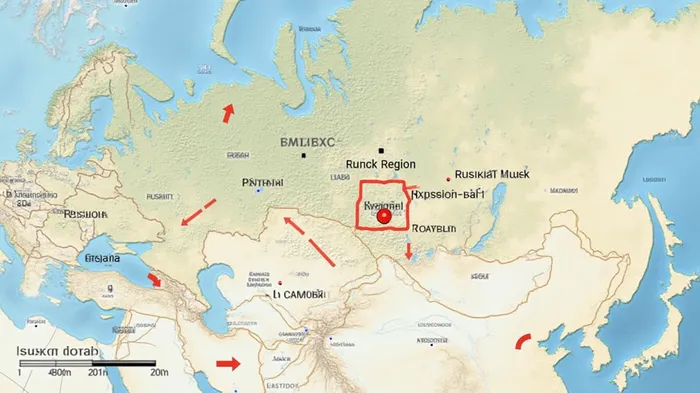
The Geopolitical Tightrope
The Kursk conflict is not merely a tactical battle for territory but a geopolitical chess match. Putin’s unilateral ceasefire announcement on May 8, timed to coincide with Victory Day celebrations, aims to bolster domestic morale and legitimize Russia’s military narrative. Yet the acknowledgment of North Korean troop involvement—a first—exposes Moscow’s deepening reliance on non-traditional allies. This partnership, formalized under the 2024 Russia-North Korea defense pact, signals a broader strategy to counter Western sanctions and isolation.
For investors, the risks are twofold:
1. Sanctions Escalation: North Korea’s military role could provoke further U.S. and EU sanctions, directly impacting Russian energy exports and financial markets.
2. Market Volatility: Geopolitical uncertainty often translates to erratic pricing in commodities like oil and gas.
The RTS Index has fluctuated sharply since March 2025, reflecting investor anxiety over the conflict’s trajectory. A 9% dip in late April coincided with Kyiv’s denial of territorial losses, suggesting markets penalize perceived Russian overreach.
The Economic Domino Effect
Russia’s economy remains tightly coupled with global energy markets. Over 40% of state revenues derive from oil and gas exports, making it vulnerable to price swings. Should tensions escalate, sanctions could disrupt supply chains, pushing Brent crude prices higher.
Prices surged to $95/barrel in late April amid reports of Ukrainian counterattacks in Kursk—a stark contrast to the $82 baseline in early 2025. Investors in energy ETFs (e.g., XLE) or oil majors like ExxonMobil (XOM) may find asymmetric upside, though geopolitical tail risks persist.
Meanwhile, the defense sector is booming. Russian state-owned firms like Rostec and Rosoboronexport are beneficiaries of renewed military spending, but their stock valuations remain opaque due to sanctions. Western defense contractors, including Lockheed Martin (LMT) and Raytheon (RTX), could see indirect gains as NATO countries accelerate rearmament.
The Investment Playbook
- Short-Term Hedging: Allocate to inverse ETFs (e.g., SRSX) or gold (GLD) to offset equity market volatility tied to geopolitical instability.
- Energy Sector Exposure: Consider long positions in oil futures or energy stocks, given Russia’s role as a swing producer.
- Defense & Cybersecurity: Companies like Palantir (PLTR) or CrowdStrike (CRWD) benefit from heightened security spending amid hybrid warfare concerns.
The Bottom Line
The Kursk conflict is a microcosm of global power struggles, where military narratives and economic realities collide. While Putin’s claims aim to project strength, Kyiv’s resilience suggests prolonged stalemate. For investors, the path forward requires balancing risk tolerance with geopolitical sensitivity.
Historical parallels offer caution: The 2014 annexation of Crimea triggered a 14% drop in the RTS Index and a 25% spike in gold prices within months. Today’s environment is similarly volatile, with energy markets and defense equities positioned as key battlegrounds.
In conclusion, the Kursk stalemate is a reminder that geopolitical theater drives market outcomes. Investors must stay vigilant—monitoring not just military maps, but also the RTS Index, Brent crude trends, and defense spending data—to navigate this high-stakes landscape. As the adage goes, in war and markets, the first to adapt wins.
Data as of May 2025. Past performance does not guarantee future results.







Comentarios
Aún no hay comentarios