
Kuroda's 'Bazooka' Facing Internal Skepticism as BOJ Considers Expansion
Generado por agente de IAWesley Park
martes, 28 de enero de 2025, 11:13 pm ET2 min de lectura
CHRO--
As the Bank of Japan (BOJ) contemplates expanding its quantitative and qualitative easing (QQE) program, some of its policymakers are beginning to question the effectiveness of former Governor Haruhiko Kuroda's "bazooka" stimulus. The minutes of the October 2014 meeting, released this week, reveal a growing skepticism among BOJ board members regarding the policy's ability to achieve its 2% inflation target.
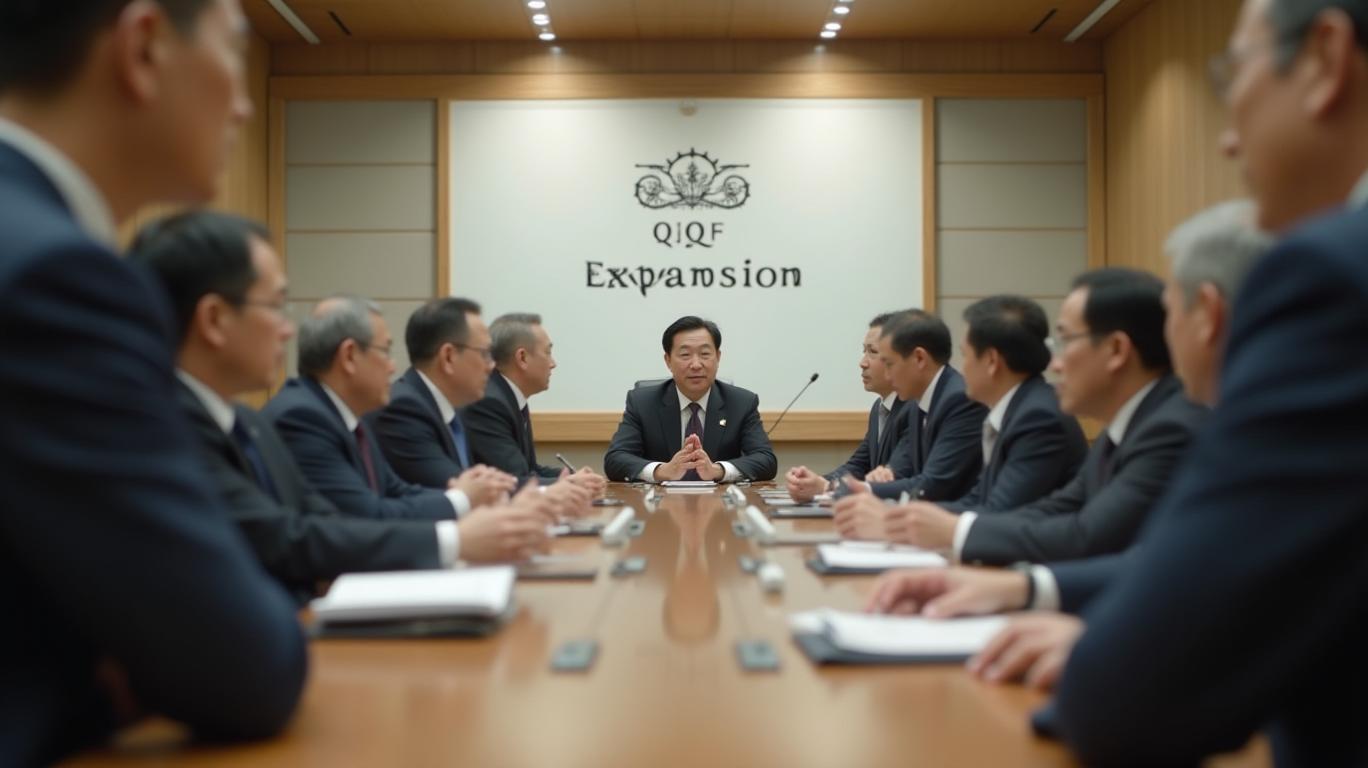
The BOJ's initial enthusiasm for Kuroda's "bazooka" stimulus, introduced in April 2013, was high. The goal was to pull Japan out of deflation and achieve a 2% inflation target in roughly two years. However, support for the policy began to wane less than two years later, as evidenced by a narrow 5-4 vote in favor of expanding QQE in October 2014.
Several factors contributed to the waning support among BOJ policymakers:
1. Failing to meet inflation targets: The BOJ's initial target of achieving 2% inflation in about two years was not met, which put the BOJ's credibility at risk. Some board members, like Deputy Governor Hiroshi Nakaso, argued that failing to adjust policy would lead to a loss of trust and waste the accomplishments of QQE up to that point.
2. Diminishing marginal benefits: Board members like Koji Ishida and Takehiro Sato expressed doubts about the effectiveness of ramping up an already huge stimulus. They argued that the longer the current policy continued, the stronger the downward pressure on interest rates would become, but the marginal boost to the economy and prices might diminish.
3. Unclear risks and benefits: Sato also questioned whether the risks the BOJ sought to forestall were worth the huge sacrifice of deploying a policy "where the cost did not meet the benefits."
4. Limited psychological impact: Some board members, such as Takahide Kiuchi and Yoshihisa Morimoto, scrutinized the key transmission channel of the policy, which was meant to shock the public out of deflation with a huge blow of stimulus. They argued that the psychological effect on public sentiment was likely to be quite limited and that the positive effect on consumption from influencing public expectations would likely be limited as well.
These concerns influenced the decision-making process by encouraging a more cautious approach to expanding QQE. The decision to ramp up the program was made by a narrow 5-4 vote, indicating the close call and the need for careful consideration of the potential risks and benefits.
The BOJ's focus on public sentiment and expectations as a transmission channel for monetary policy, as advocated by Governor Kuroda, aimed to shock the public out of deflation by raising inflation expectations. However, the minutes of the October 2014 meeting revealed that some board members were skeptical about the effectiveness of this approach. They argued that the psychological effect on consumption would likely be limited and questioned its sustainability.
Alternatives that could have been considered include fiscal stimulus, structural reforms, forward guidance, and targeting nominal GDP. These approaches could have helped to boost aggregate demand, address the underlying causes of Japan's deflationary mindset, and support a more robust recovery.
In conclusion, the BOJ's focus on public sentiment and expectations as a transmission channel for monetary policy had limited success in achieving the intended outcomes. The waning support for Kuroda's "bazooka" stimulus among BOJ policymakers highlights the need for a more balanced and comprehensive approach to monetary policy, one that considers a range of alternatives to support a sustainable recovery.
MET--
As the Bank of Japan (BOJ) contemplates expanding its quantitative and qualitative easing (QQE) program, some of its policymakers are beginning to question the effectiveness of former Governor Haruhiko Kuroda's "bazooka" stimulus. The minutes of the October 2014 meeting, released this week, reveal a growing skepticism among BOJ board members regarding the policy's ability to achieve its 2% inflation target.
The BOJ's initial enthusiasm for Kuroda's "bazooka" stimulus, introduced in April 2013, was high. The goal was to pull Japan out of deflation and achieve a 2% inflation target in roughly two years. However, support for the policy began to wane less than two years later, as evidenced by a narrow 5-4 vote in favor of expanding QQE in October 2014.
Several factors contributed to the waning support among BOJ policymakers:
1. Failing to meet inflation targets: The BOJ's initial target of achieving 2% inflation in about two years was not met, which put the BOJ's credibility at risk. Some board members, like Deputy Governor Hiroshi Nakaso, argued that failing to adjust policy would lead to a loss of trust and waste the accomplishments of QQE up to that point.
2. Diminishing marginal benefits: Board members like Koji Ishida and Takehiro Sato expressed doubts about the effectiveness of ramping up an already huge stimulus. They argued that the longer the current policy continued, the stronger the downward pressure on interest rates would become, but the marginal boost to the economy and prices might diminish.
3. Unclear risks and benefits: Sato also questioned whether the risks the BOJ sought to forestall were worth the huge sacrifice of deploying a policy "where the cost did not meet the benefits."
4. Limited psychological impact: Some board members, such as Takahide Kiuchi and Yoshihisa Morimoto, scrutinized the key transmission channel of the policy, which was meant to shock the public out of deflation with a huge blow of stimulus. They argued that the psychological effect on public sentiment was likely to be quite limited and that the positive effect on consumption from influencing public expectations would likely be limited as well.
These concerns influenced the decision-making process by encouraging a more cautious approach to expanding QQE. The decision to ramp up the program was made by a narrow 5-4 vote, indicating the close call and the need for careful consideration of the potential risks and benefits.
The BOJ's focus on public sentiment and expectations as a transmission channel for monetary policy, as advocated by Governor Kuroda, aimed to shock the public out of deflation by raising inflation expectations. However, the minutes of the October 2014 meeting revealed that some board members were skeptical about the effectiveness of this approach. They argued that the psychological effect on consumption would likely be limited and questioned its sustainability.
Alternatives that could have been considered include fiscal stimulus, structural reforms, forward guidance, and targeting nominal GDP. These approaches could have helped to boost aggregate demand, address the underlying causes of Japan's deflationary mindset, and support a more robust recovery.
In conclusion, the BOJ's focus on public sentiment and expectations as a transmission channel for monetary policy had limited success in achieving the intended outcomes. The waning support for Kuroda's "bazooka" stimulus among BOJ policymakers highlights the need for a more balanced and comprehensive approach to monetary policy, one that considers a range of alternatives to support a sustainable recovery.

Divulgación editorial y transparencia de la IA: Ainvest News utiliza tecnología avanzada de Modelos de Lenguaje Largo (LLM) para sintetizar y analizar datos de mercado en tiempo real. Para garantizar los más altos estándares de integridad, cada artículo se somete a un riguroso proceso de verificación con participación humana.
Mientras la IA asiste en el procesamiento de datos y la redacción inicial, un miembro editorial profesional de Ainvest revisa, verifica y aprueba de forma independiente todo el contenido para garantizar su precisión y cumplimiento con los estándares editoriales de Ainvest Fintech Inc. Esta supervisión humana está diseñada para mitigar las alucinaciones de la IA y garantizar el contexto financiero.
Advertencia sobre inversiones: Este contenido se proporciona únicamente con fines informativos y no constituye asesoramiento profesional de inversión, legal o financiero. Los mercados conllevan riesgos inherentes. Se recomienda a los usuarios que realicen una investigación independiente o consulten a un asesor financiero certificado antes de tomar cualquier decisión. Ainvest Fintech Inc. se exime de toda responsabilidad por las acciones tomadas con base en esta información. ¿Encontró un error? Reportar un problema




Comentarios
Aún no hay comentarios