
Krystal Biotech's KB407: A Strategic Inflection Point in Cystic Fibrosis Gene Therapy?
The biotechnology sector has long been a theater of high-stakes innovation, where breakthroughs in gene therapy can redefine therapeutic paradigms and reshape market dynamics. KrystalKRYS-- Biotech's KB407, a gene therapy targeting cystic fibrosis (CF), has recently emerged as a focal point of investor attention. With positive interim data from its Phase 1 CORAL-1 study and a pivotal FDA filing for its next-stage trial, the company appears to be navigating a critical inflection point. This analysis evaluates whether these developments signal a strategic entry point for investors seeking exposure to high-conviction gene therapy innovation.
Clinical Progress: A Foundation for Long-Term Potential
Krystal Biotech's KB407 is designed to deliver wild-type CFTR protein to airway epithelial cells, targeting patients with class I mutations or those unresponsive to modulator therapies. The Phase 1 CORAL-1 study's interim results, reported in late 2025, demonstrated transduction rates of 29.4% to 42.1% in conducting airway cells across six patients, exceeding the anticipated 5–15% range for meaningful functional correction. These findings are particularly significant given the unmet need among CF patients with class I mutations, who constitute approximately 10% of the CF population and are ineligible for current modulator therapies.
The successful delivery of CFTR protein, coupled with a favorable safety profile (with most adverse events being mild to moderate), underscores KB407's potential as a mutation-agnostic therapy. Krystal's submission of the CORAL-3 study design to the FDA in December 2025 further signals its intent to advance KB407 toward regulatory approval. The company plans to finalize the study design with the FDA in Q1 2026 and initiate enrollment in Q2 2026. This structured approach reflects a disciplined path toward commercialization, a critical factor for investors assessing long-term viability.
Market Opportunity: Addressing a High-Value Niche
The CF therapeutics market is projected to grow at a compound annual growth rate of 11.86%, reaching USD 21.11 billion by 2030. Within this landscape, CFTR modulators dominate, but their efficacy is limited to patients with specific mutations. Krystal's KB407 targets a distinct cohort: modulator-refractory patients, who often experience frequent exacerbations and diminished quality of life despite existing treatments. Approximately 6% of adult CF patients fall into this category, representing a niche but high-value segment.
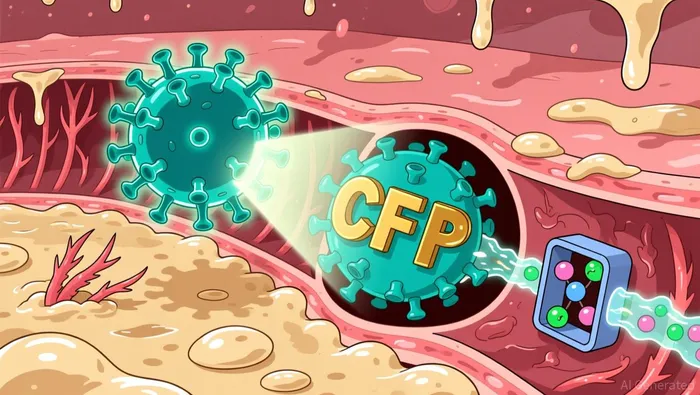
Competitive differentiation lies in KB407's mechanism of action. Unlike modulators, which enhance the function of defective CFTR proteins, KB407 aims to restore functional CFTR expression entirely. This approach aligns with broader industry trends toward gene-based solutions, including mRNA and CRISPR technologies, which are gaining traction for their potential to address root genetic causes. While Vertex Pharmaceuticals and Translate Bio are advancing their own CF therapies, Krystal's focus on a redosable, inhaled gene therapy positions it to capture a unique market share.
Investor Sentiment and Valuation: Momentum and Caution
Krystal's stock (KRYS) has experienced notable momentum following the CORAL-1 data release, with a 5.02% increase in December 2025 and a 44.08% return over 90 days. Jefferies raised its price target to $310, citing the clinical progress and financial performance. However, valuation metrics suggest caution. Analysts estimate the stock is 17.3% overvalued relative to its long-term cash flow potential, with a fair value of approximately $223. This discrepancy highlights the tension between near-term optimism and long-term fundamentals-a common dynamic in high-growth biotech stocks.
The company's financials further complicate the valuation picture. While Krystal's earnings per share exceeded expectations in Q4 2025, its reliance on capital-intensive R&D and the uncertainty of regulatory approval for CORAL-3 introduce risk. Investors must weigh the potential for KB407 to become a blockbuster therapy against the costs of clinical and regulatory hurdles.
Strategic Implications for Investors
For investors seeking exposure to gene therapy innovation, Krystal's KB407 represents both opportunity and risk. The clinical data and FDA alignment process suggest a credible path to commercialization, particularly for a therapy targeting a well-defined, underserved patient population. However, the competitive landscape is intensifying, with Vertex and Translate Bio advancing their own pipelines. Krystal's success will depend on its ability to demonstrate not only efficacy but also cost-effectiveness in a market where annual treatment costs can exceed $300,000 per patient.
A strategic entry point may exist for investors who can tolerate near-term volatility and prioritize long-term innovation. The key will be monitoring CORAL-3's design and enrollment progress, as well as broader industry trends such as reimbursement dynamics and regulatory guidance. If Krystal can navigate these challenges, KB407 could emerge as a transformative therapy-and a compelling investment.
Conclusion
Krystal Biotech's KB407 has achieved a critical milestone in its journey toward commercialization, with robust clinical data and a clear regulatory roadmap. While the stock's valuation remains a point of debate, the underlying science and market potential justify a cautious bullish stance. For investors with a high-conviction, long-term horizon, this inflection point offers an opportunity to participate in the evolution of gene therapy for a disease that has long defied a cure.







Comentarios
Aún no hay comentarios