
Kroger Joins Line to Buy Back Debt After Albertsons Deal Fails
Generado por agente de IAWesley Park
miércoles, 11 de diciembre de 2024, 2:55 pm ET1 min de lectura
ACI--
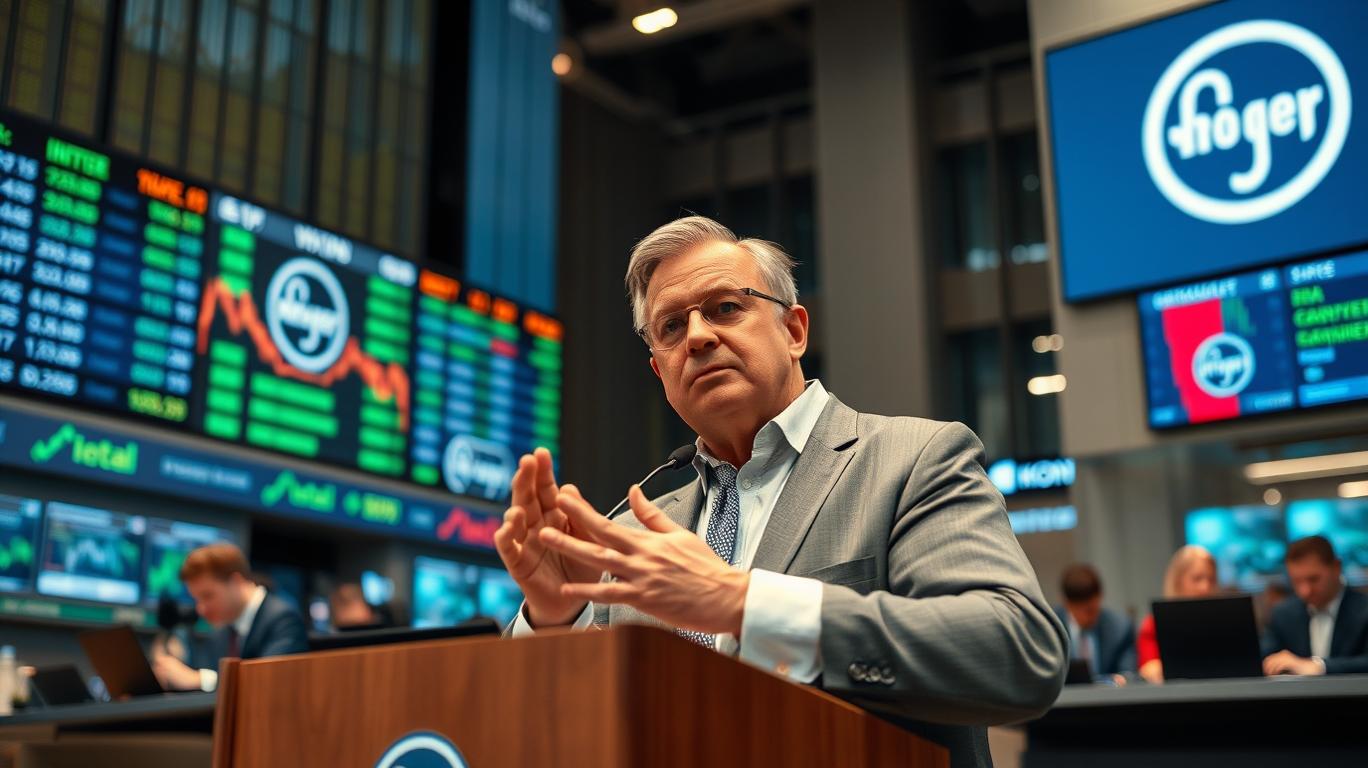
In the wake of the collapsed merger with Albertsons, Kroger (KR) has announced plans to buy back $10 billion worth of its debt. This strategic move comes as the company seeks to strengthen its financial position and adapt to the changing market landscape. Let's delve into the implications of this decision and explore the broader investment landscape.
Debt Buyback: A Strategic Move
Kroger's decision to buy back debt is a calculated move to reduce its financial leverage and improve its debt-to-equity ratio. As of 2024, Kroger's total debt stands at $23.1 billion, with a market capitalization of $44.3 billion. A $10 billion debt buyback would decrease total debt to $13.1 billion, reducing the debt-to-equity ratio from 0.52 to 0.30. This move signals Kroger's commitment to maintaining financial stability and enhancing its long-term growth prospects.
Interest Expenses and Cash Flow Management
By repurchasing debt, Kroger lowers its outstanding debt obligations, which in turn reduces the interest it pays annually. This decrease in interest expenses will directly impact Kroger's net income, as interest expense is a component of operating expenses. Additionally, the buyback frees up cash that would have otherwise been used to service the debt, allowing Kroger to allocate these funds towards other strategic initiatives, such as store improvements, technology upgrades, or shareholder distributions. This improved cash flow management can enhance Kroger's financial flexibility and support its long-term growth prospects.
Navigating the Current Market Landscape
The current market environment, characterized by rising interest rates, has led to a decline in tech stocks. However, this shift in market dynamics presents an opportunity for investors to explore under-owned sectors like energy stocks and industrials, which are expected to benefit from the current economic environment. Kroger's debt buyback strategy aligns with this approach, as the company seeks to strengthen its financial position and adapt to the changing market landscape.
Conclusion and Recommendations
Kroger's debt buyback strategy is a strategic move that aims to reduce financial leverage and improve cash flow management. This move signals the company's commitment to maintaining financial stability and enhancing its long-term growth prospects. As investors navigate the current market landscape, it is essential to consider the broader investment landscape and explore opportunities in under-owned sectors. By maintaining a balanced portfolio with both growth and value stocks, investors can effectively navigate the current market environment and capitalize on long-term growth opportunities.

KR--
In the wake of the collapsed merger with Albertsons, Kroger (KR) has announced plans to buy back $10 billion worth of its debt. This strategic move comes as the company seeks to strengthen its financial position and adapt to the changing market landscape. Let's delve into the implications of this decision and explore the broader investment landscape.
Debt Buyback: A Strategic Move
Kroger's decision to buy back debt is a calculated move to reduce its financial leverage and improve its debt-to-equity ratio. As of 2024, Kroger's total debt stands at $23.1 billion, with a market capitalization of $44.3 billion. A $10 billion debt buyback would decrease total debt to $13.1 billion, reducing the debt-to-equity ratio from 0.52 to 0.30. This move signals Kroger's commitment to maintaining financial stability and enhancing its long-term growth prospects.
Interest Expenses and Cash Flow Management
By repurchasing debt, Kroger lowers its outstanding debt obligations, which in turn reduces the interest it pays annually. This decrease in interest expenses will directly impact Kroger's net income, as interest expense is a component of operating expenses. Additionally, the buyback frees up cash that would have otherwise been used to service the debt, allowing Kroger to allocate these funds towards other strategic initiatives, such as store improvements, technology upgrades, or shareholder distributions. This improved cash flow management can enhance Kroger's financial flexibility and support its long-term growth prospects.
Navigating the Current Market Landscape
The current market environment, characterized by rising interest rates, has led to a decline in tech stocks. However, this shift in market dynamics presents an opportunity for investors to explore under-owned sectors like energy stocks and industrials, which are expected to benefit from the current economic environment. Kroger's debt buyback strategy aligns with this approach, as the company seeks to strengthen its financial position and adapt to the changing market landscape.
Conclusion and Recommendations
Kroger's debt buyback strategy is a strategic move that aims to reduce financial leverage and improve cash flow management. This move signals the company's commitment to maintaining financial stability and enhancing its long-term growth prospects. As investors navigate the current market landscape, it is essential to consider the broader investment landscape and explore opportunities in under-owned sectors. By maintaining a balanced portfolio with both growth and value stocks, investors can effectively navigate the current market environment and capitalize on long-term growth opportunities.

Divulgación editorial y transparencia de la IA: Ainvest News utiliza tecnología avanzada de Modelos de Lenguaje Largo (LLM) para sintetizar y analizar datos de mercado en tiempo real. Para garantizar los más altos estándares de integridad, cada artículo se somete a un riguroso proceso de verificación con participación humana.
Mientras la IA asiste en el procesamiento de datos y la redacción inicial, un miembro editorial profesional de Ainvest revisa, verifica y aprueba de forma independiente todo el contenido para garantizar su precisión y cumplimiento con los estándares editoriales de Ainvest Fintech Inc. Esta supervisión humana está diseñada para mitigar las alucinaciones de la IA y garantizar el contexto financiero.
Advertencia sobre inversiones: Este contenido se proporciona únicamente con fines informativos y no constituye asesoramiento profesional de inversión, legal o financiero. Los mercados conllevan riesgos inherentes. Se recomienda a los usuarios que realicen una investigación independiente o consulten a un asesor financiero certificado antes de tomar cualquier decisión. Ainvest Fintech Inc. se exime de toda responsabilidad por las acciones tomadas con base en esta información. ¿Encontró un error? Reportar un problema


SOBRE NOSOTROS
Nuestra historiaAutores de noticiasBase de conocimientosPolítica de privacidadTérmino de usoDescargo de responsabilidad de corretaje de tercerosTérminos de uso de AIMEDivulgaciones de riesgos de AInvest AICarrerasCONTÁCTENOS
Email: support@ainvest.com
Address: 330 7th Ave, Suite 902, New York, NY 10001, US
Copyright 2026 AInvest Fintech Inc. All rights reserved.


Comentarios
Aún no hay comentarios